
Chambéry — prefecture of Savoie and gateway to the French Alps
Chambéry is the prefecture of the Savoie department in southeastern France, a historic Alpine city known for its ducal château, Fountain of the Elephants, and role as a regional administrative and transport hub.
Chambéry is a commune (commune) in southeastern France that serves as the prefecture (prefecture) of the Savoie department (Savoie) within the national department system. Situated at the meeting of several valley routes and near lakes and mountain passes, it functions as both an administrative centre and a practical gateway to the Alps.
Image gallery
10 Images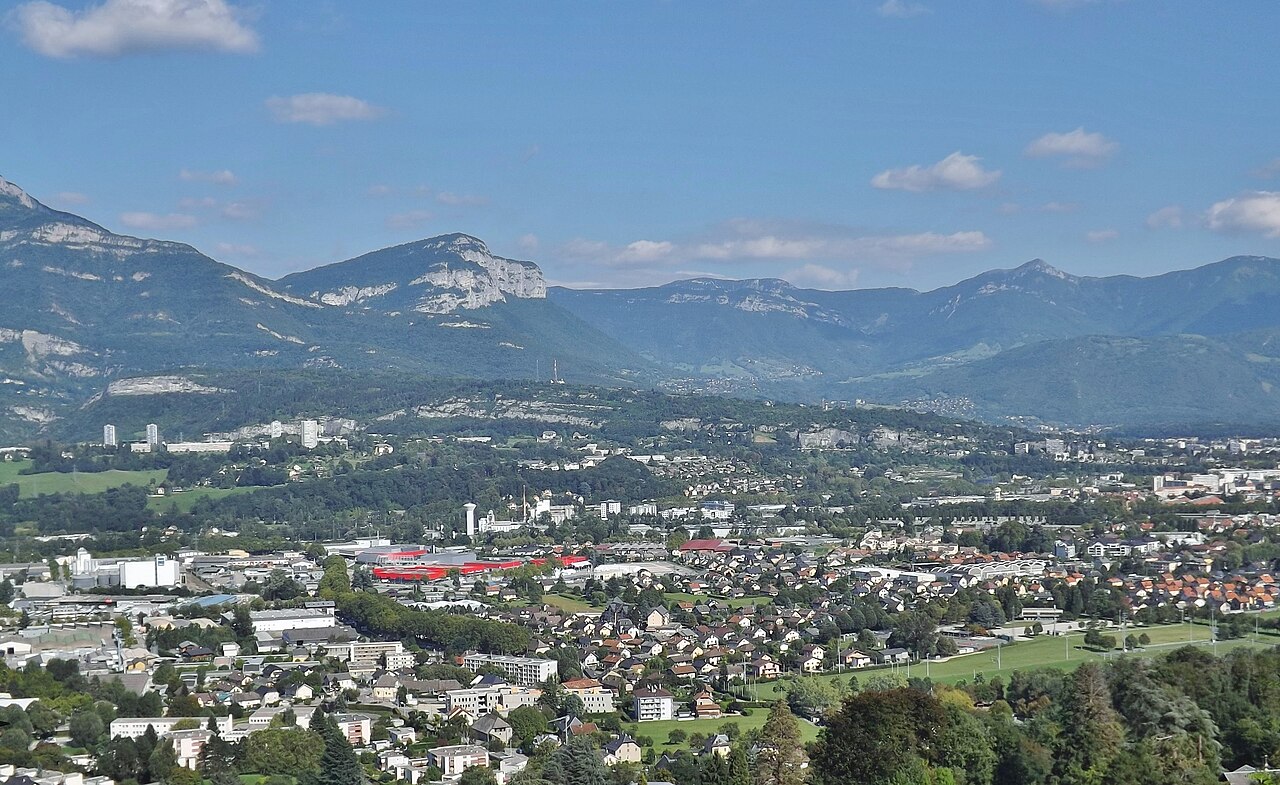


Overview and character
The town combines a compact medieval core with later 19th- and 20th-century districts. Narrow streets, public squares and distinctive monuments such as the Fountain of the Elephants contribute to its identity. Chambéry balances heritage architecture with everyday services, local commerce and access to outdoor recreation.
Geography and climate
Located on the lower slopes of the French Alps, Chambéry occupies a basin drained by local rivers and linked to nearby lakes. The climate is transitional between mountain and continental influences, producing warm summers and cold winters with variable snowfall at higher elevations.
History
The town developed in the historical territory of Savoy and was long associated with the dukes who ruled the region. Remnants of that past appear in the ducal château, religious buildings and street plan of the old town. Over centuries Chambéry evolved from a feudal seat into a modern administrative and commercial centre, shaped by road and rail links across the Alps.
Main sights
Key landmarks include the Château des Ducs de Savoie, the cathedral and religious ensembles, and several historic fountains and public squares. Museums and preserved civic architecture document regional art, history and Savoyard culture, making the city a compact destination for cultural visits.
Culture, events and education
Chambéry hosts markets, seasonal festivals and cultural programming that draw on Savoyard traditions as well as contemporary arts. The city supports higher education institutions and research centres that serve the surrounding departments and mountain communities, reinforcing its role as a regional hub.
Economy and services
The local economy mixes public administration, services, light industry and tourism. Chambéry provides regional medical, judicial and commercial services for neighbouring valleys and lakes, and its businesses are often oriented to both local residents and visitors.
Transport and access
- Rail: Station connections link Chambéry with regional cities and international corridors through alpine tunnels and cross-border routes.
- Road: Major roads and motorways provide access to mountain passes and larger urban centres, supporting commerce and seasonal travel.
- Outdoor access: Proximity to ski areas, hiking trails and lakes makes Chambéry a frequent base for outdoor recreation.
For researchers, visitors and residents, Chambéry exemplifies a mid-sized Alpine city where historical legacy, administrative function and mountain-oriented services come together. Its preserved monuments, cultural life and transport links make it an important node in the Savoie region.
Related articles
Author
AlegsaOnline.com Chambéry — prefecture of Savoie and gateway to the French Alps Leandro Alegsa
URL: https://en.alegsaonline.com/art/18427