
Century City (Los Angeles neighborhood)
Century City is a compact commercial and residential district on the Westside of Los Angeles, adjacent to Beverly Hills, known for its office towers, shopping center and origins on a former studio backlot.
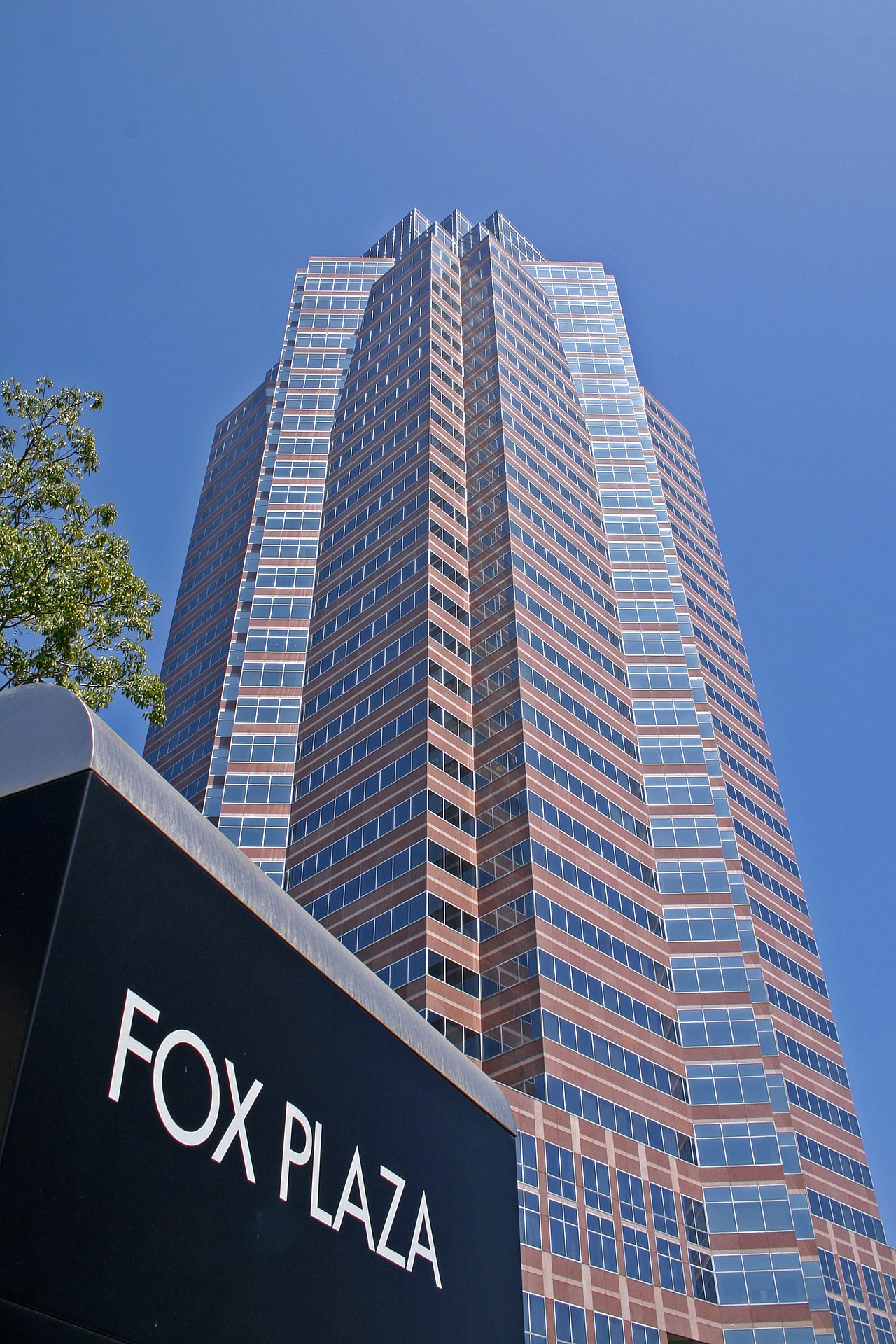
Century City is a neighborhood on the Westside of Los Angeles, in the United States. It sits next to the city of Beverly Hills and combines a dense business district with a small permanent residential population of roughly 5,900 people. Though compact in resident numbers, Century City has a large daytime population of workers and visitors drawn to its offices, shops and hotels.
Image gallery
10 Images




Origins and development
Century City was built on land that had been used as a studio backlot for a major film studio. During the mid-20th century the site was redeveloped as a planned commercial district with high-rise office buildings and mixed-use projects. The design and growth emphasized office space for entertainment industry firms, law firms and professional services, together with retail and hospitality.
Characteristics and notable features
- Skyline: a cluster of mid- and high-rise towers that form one of the Westside’s principal business cores.
- Retail and leisure: a prominent shopping center anchors retail activity alongside restaurants and cinemas.
- Mixed use: modern condominiums, hotels and office buildings create a day–night population balance.
- Proximity: immediate adjacency to Beverly Hills and easy access to major Westside corridors.
Century City functions primarily as a commercial hub. Many law firms, talent agencies and entertainment-related companies maintain offices there, and the district hosts conferences and corporate headquarters. Its compact footprint concentrates professional services, making it a significant employment center despite the small number of residents.
Transportation links include major streets and regional transit options; public works and transit projects have long sought to improve rail and bus connections to the area. Century City is often noted in coverage of Los Angeles planning as an example of late-20th-century urban infill that converted studio land into a dense mixed-use neighborhood.
Related articles
Author
AlegsaOnline.com Century City (Los Angeles neighborhood) Leandro Alegsa
URL: https://en.alegsaonline.com/art/18132
Sources
- latimesblogs.latimes.com : Larry Harnisch, "The Daily Mirror," Los Angeles Times
- tools.wmflabs.org : 34°03′20″N 118°25′01″W / 34.05556°N 118.41694°W / 34.05556; -118.41694