
Cell (novel)
Cell is a 2006 post-apocalyptic horror novel by Stephen King about a mysterious broadcast over mobile phones that transforms users into violent, hive-minded aggressors and the survivors who try to endure.
Overview
Cell is a 2006 novel by Stephen King that blends horror and speculative fiction. The story begins with a sudden, unexplained broadcast sent through the global cellular network that appears to change most phone users into violent, trance-like attackers commonly called "phoners." The central figure is Clayton Riddell, a graphic artist from New England who sets out across a fractured landscape to find his son and to survive in a world reshaped by the signal. The novel examines the fragility of modern infrastructure and the ways technology can amplify social collapse. For information on editions and publication history see publication details.
Image gallery
1 Image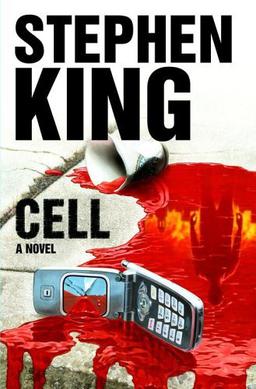
Plot and principal elements
The inciting event is the mysterious signal: once it passes through a cell phone, its owner undergoes a rapid, often violent transformation and becomes linked to a larger collective. Survivors who have not been affected or who regain some autonomy form small groups and journey through ruined towns searching for safety and loved ones. King structures much of the narrative around travel, encounters with both hostile and sympathetic humans, and the protagonist's determined attempt to reunite with his child. The novel avoids extensive technical explanation of the phenomenon, concentrating instead on human responses and practical survival.
Themes and style
Cell explores several recurring King themes: the breakdown of society, the resilience of ordinary people, and the psychological effects of catastrophe. Technology is depicted ambiguously, serving both as everyday convenience and as vector of destruction. King deploys brisk, direct prose and scenes of sudden violence to maintain tension, but he also devotes space to character moments that reveal fear, loyalty, and grief.
Reception and context
On release the novel prompted a range of reactions: many reviewers praised its urgency and imaginative premise, while others criticized aspects of pacing and resolution. Cell sits within King's larger body of work as an example of his interest in apocalyptic and cluster-horror scenarios. Readers often compare its central conceit to other technological-apocalypse stories and discuss its commentary on dependence on instantaneous communication. For background on the author and related works, consult Stephen King resources.
Adaptations and legacy
Cell was adapted as a feature film released in 2016, which brought the basic premise to a wider audience. The novel continues to be cited in conversations about the social risks of ubiquitous technology and the power of mass media. Its depiction of a hive-like contagion and small-group survival has influenced later works in horror and speculative fiction. The story's New England setting and road-centered structure are typical of King's approach to grounding large-scale horror in recognizable communities and landscapes; more about the regional backdrop is available at New England context.
Notable facts
- Published in 2006, it reflects early-21st-century anxieties about mobile networks and connectivity.
- The transformed aggressors are commonly called "phoners" within the novel and among readers.
- The book combines elements of survival thriller, horror, and social satire.
Related articles
Author
AlegsaOnline.com Cell (novel) Leandro Alegsa
URL: https://en.alegsaonline.com/art/17892