
Catcher (baseball position)
The catcher is a defensive position in baseball located behind home plate. This article covers role, equipment, skills, history, game responsibilities, and notable distinctions.
Overview
The catcher is a key defensive player stationed behind home plate in baseball. Crouched to receive pitches, the catcher handles every pitch that reaches the batter and serves as the on-field leader for the defense, communicating with the pitcher and coordinating play strategy.
Image gallery
7 Images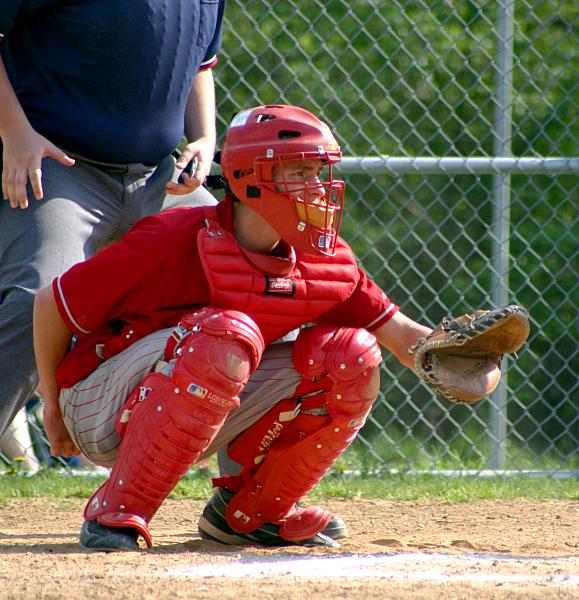



Equipment and physical demands
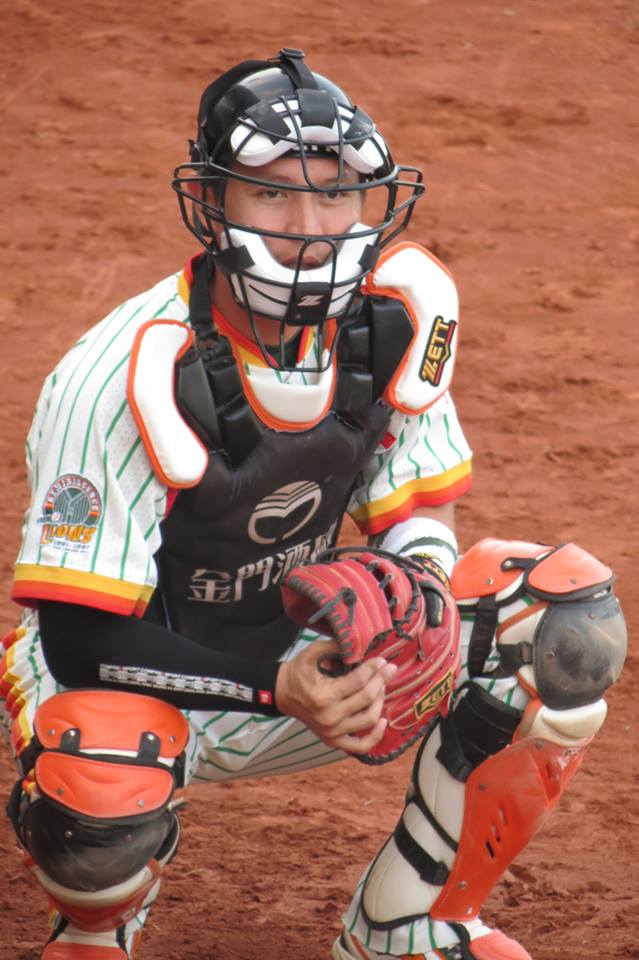
Because the position requires repeated squatting and direct contact with high-speed balls, catchers wear specialized protective gear: a catcher's mitt, mask or helmet, chest protector, and shin guards. The position places unique stress on the knees, hips and throat and carries an elevated risk of impact injuries and concussions compared with many other fielding roles.
Skills and responsibilities
Beyond receiving pitches, catchers perform several distinct tasks that influence the outcome of an inning. Core responsibilities include:
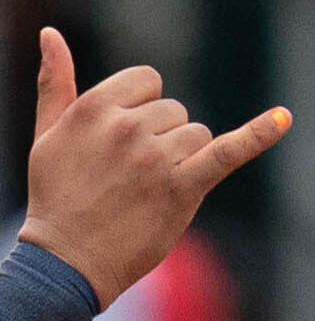
- Pitch calling: signaling pitch type and location to the pitcher and adjusting strategy based on the batter and game situation.
- Receiving and framing: catching pitches cleanly and subtly shaping the presentation to earn favorable strike calls from the umpire.
- Blocking: stopping errant pitches in the dirt to prevent runners from advancing.
- Throwing: making quick, accurate throws to bases to deter or catch base stealers.
- Fielding: handling bunts, pop-ups near the plate, and backing up plays at the plate.
History and development
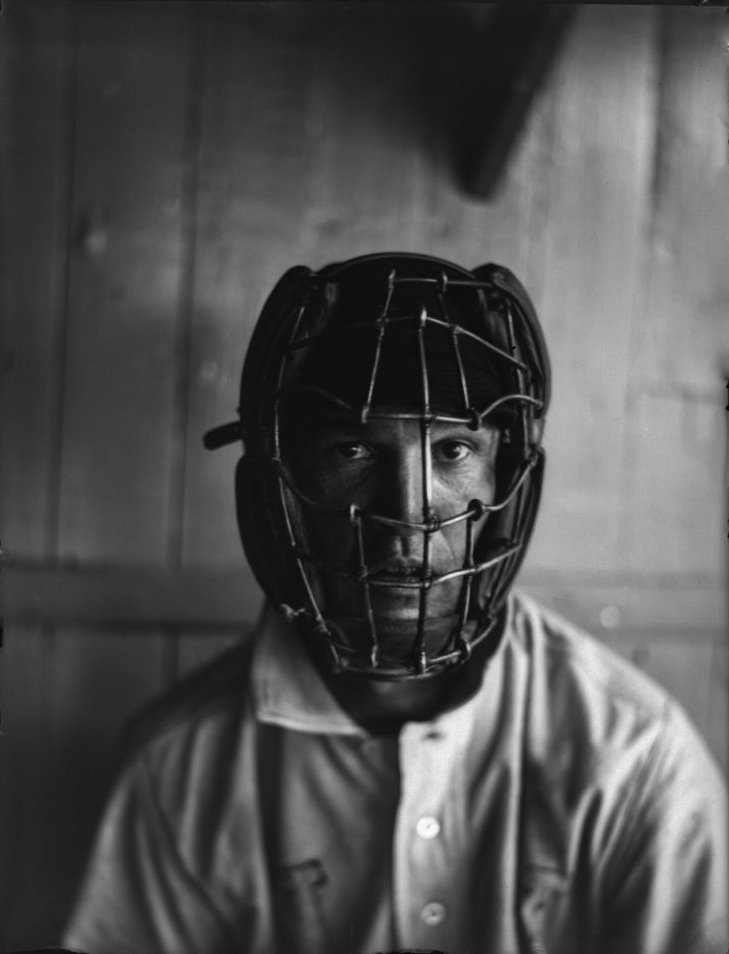
The catcher’s role evolved as pitching techniques and rules changed. Early players wore little protection and sometimes stood farther back from the batter; over time protective equipment improved and catchers adopted the crouched, close-in stance that is now standard. The position also became more strategic, with catchers taking on expanded responsibilities for calling pitches and managing pitching staffs.
Variations and notable facts
Catching duties appear in both professional and amateur levels and in related sports such as softball, where equipment and distances differ. Left-handed catchers are uncommon at higher levels because of throwing angles to bases. Some teams use a "personal catcher" for a particular pitcher, and others employ backup or bullpen catchers for practice and relief duties. Advanced defensive metrics have recently increased attention to framing, blocking, and throwing skills when evaluating catchers.
Because catchers combine physical durability, game intelligence and leadership, the position is often described as one of the most demanding and influential on the field.
Related articles
Author
AlegsaOnline.com Catcher (baseball position) Leandro Alegsa
URL: https://en.alegsaonline.com/art/17601