
Castellón de la Plana
Capital of Castellón province in Spain's Valencian Community, on the Costa del Azahar. City of industry, university, festivals and nearby natural parks along the Mediterranean coast.
Castellón de la Plana, often shortened to Castellón and officially known in Valencian as Castelló de la Plana, is the administrative center of the province of Castellón. The city sits on a coastal plain of eastern Spain facing the Mediterranean Sea, and is part of the Valencian Community. Its location on the Iberian Peninsula places it within a long-established corridor between the sea and the inland mountain ranges, most notably the Desert de les Palmes to the north.
Image gallery
10 Images




Geography and character
Castellón occupies a flat coastal area with adjacent sandy beaches and a developed urban waterfront. The climate is Mediterranean, with mild, wet winters and hot, dry summers that support citrus groves and other irrigated agriculture in the surrounding plain. Both Spanish and Valencian (a variety of Catalan) are commonly used in public life and signage.
History and development
The settlement grew from medieval origins around a defensive site and later expanded toward the coast. Over centuries it evolved from an agricultural and fishing community into a regional hub for trade and manufacturing. Twentieth-century industrialization and the growth of transport links strengthened Castellón's role as the province's economic and cultural centre.
Economy, institutions and transport
The local economy combines traditional agriculture—especially citrus fruit—with a notable ceramics and tile industry that supplies domestic and international markets. The Port of Castellón serves both cargo and industrial exports, while a regional airport links the province to other destinations. The city is also home to a public university, Universitat Jaume I, which contributes to research, education and a student population.
Culture, festivals and attractions
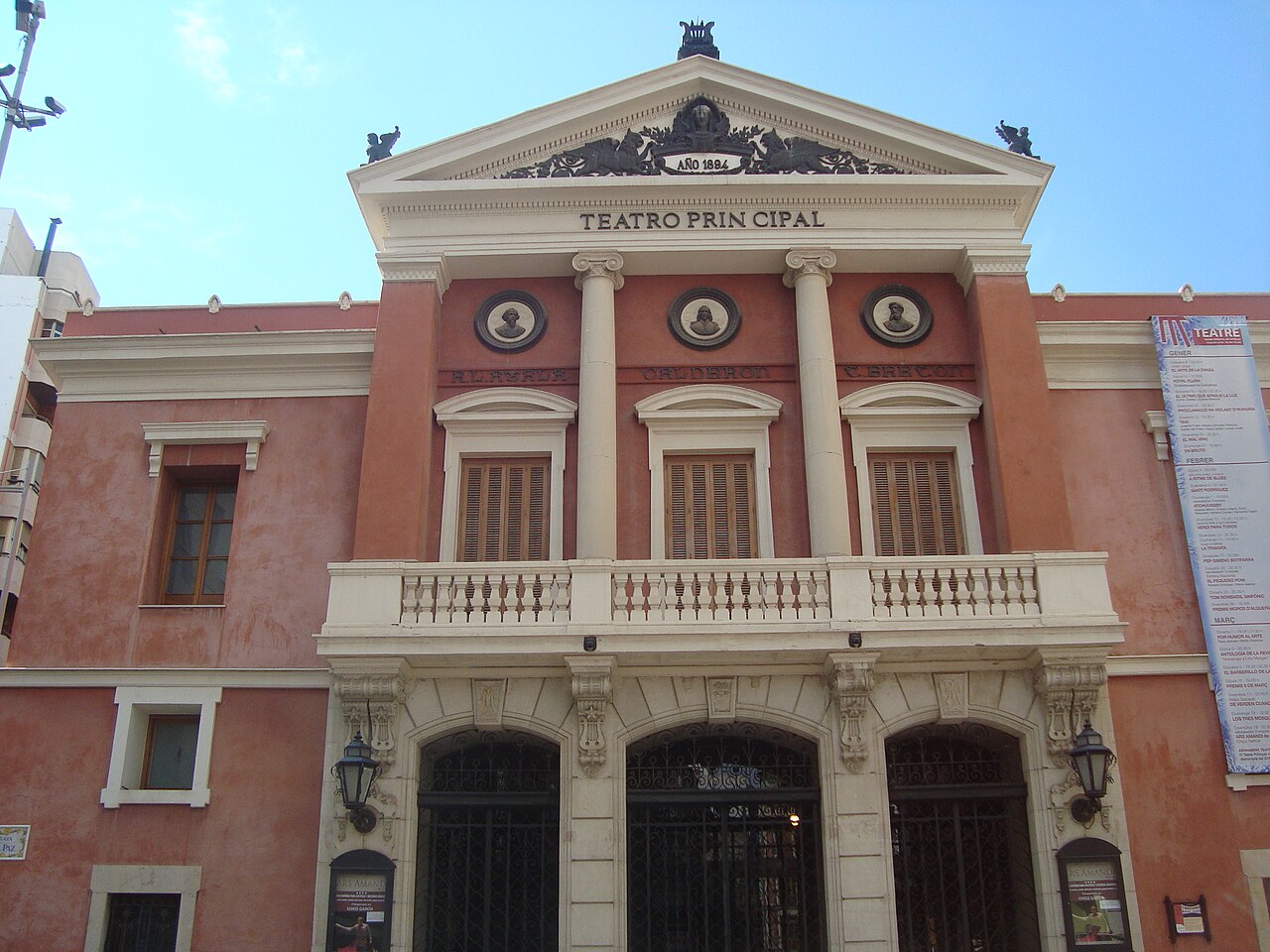
Castellón is known for lively local festivals, most famously the annual Magdalena celebrations, which include processions, music and fireworks and commemorate the city's historical origins. Cultural life includes museums, theatres and sporting clubs, such as the local football team. Visitors can enjoy an urban historic quarter alongside modern avenues and seafront promenades.
Notable sights and natural surroundings
- Historic church and civic buildings in the old town and central plaza.
- Beaches and promenades along the Costa del Azahar.
- Desert de les Palmes natural area: walking routes, viewpoints and Mediterranean flora.
- Industrial and maritime infrastructure, including the port and ceramics facilities.
As the capital of its province, Castellón functions as an administrative, cultural and economic focal point within the province of Castellón. Its combination of coastal scenery, local industry and seasonal festivities makes it a distinct city on Spain's eastern shore.
For further orientation about the region's geography and institutions, consult regional guides and official municipal sources that provide up-to-date practical information on transport, events and visitor services.
Related articles
Author
AlegsaOnline.com Castellón de la Plana Leandro Alegsa
URL: https://en.alegsaonline.com/art/17478
Sources
- civis.gva.es : "Predomínio Lingüístico oficial"