
Cartago Province (Costa Rica)
Central highland province of Costa Rica centered on the city of Cartago, known for volcanic peaks, historic colonial city, agricultural production and the annual pilgrimage to the Basilica of Our Lady of the Angels.
Overview
Cartago Province lies in the central highlands of Costa Rica and occupies a key position east of the Greater Metropolitan Area. Its administrative seat is the city of Cartago, an urban and cultural center with strong colonial roots. The province blends mountain landscapes, fertile valleys and volcanic terrain.
Image gallery
10 Images





Geography and natural features
Cartago includes parts of the Cordillera Central and rises from temperate valleys to high volcanic summits. Two of the country's notable volcanoes, including the active Irazú and nearby Turrialba, shape local soils and scenery. Protected areas, cloud forests and river valleys support diverse flora and fauna and attract hikers and naturalists.
Administrative divisions and landscape
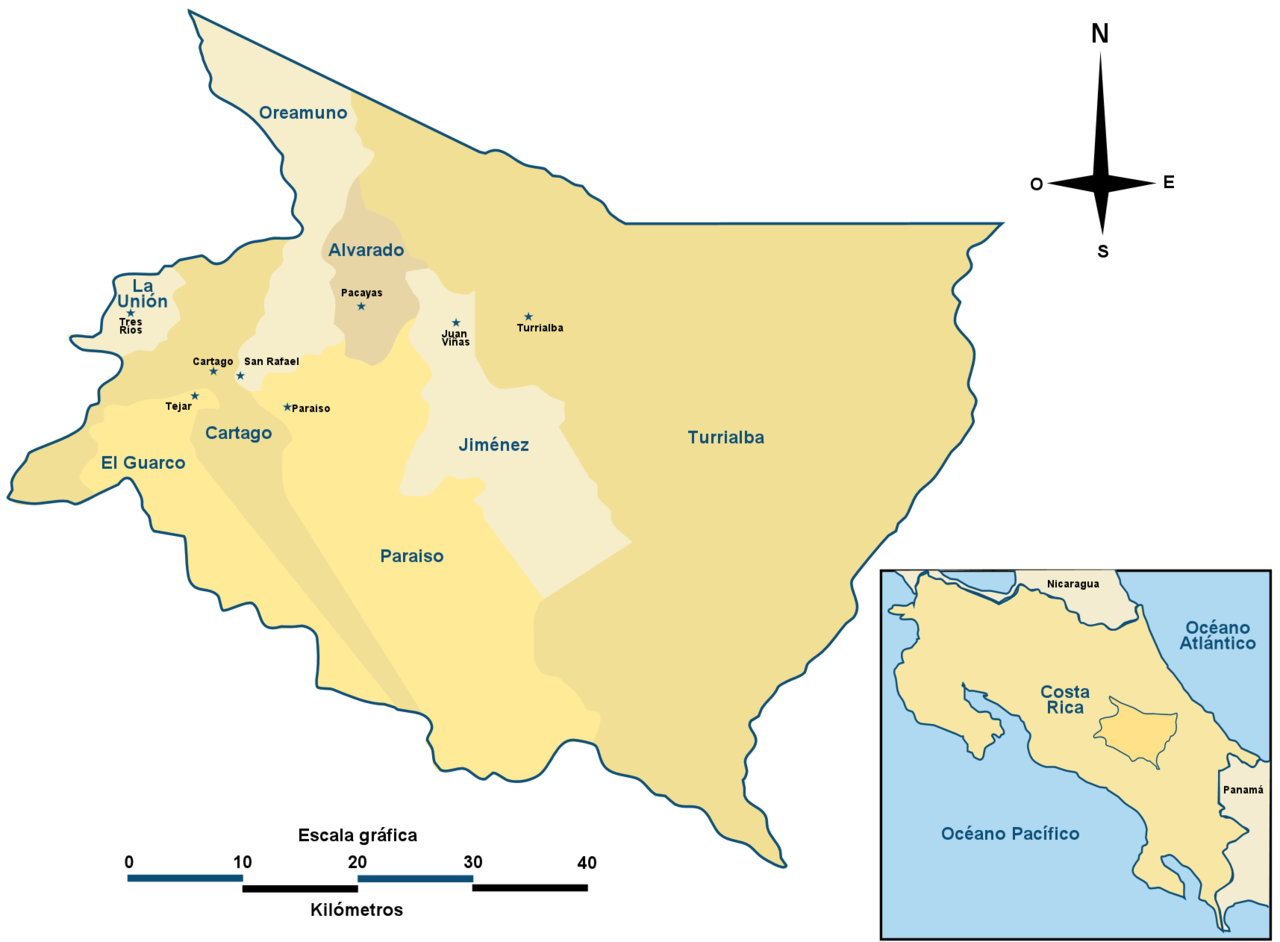
The province is divided into several cantons, with Cartago city as the provincial capital. Other important towns and rural districts support agriculture and small industry. The Orosi Valley and surrounding highland communities are known for scenic farms, coffee plantations and colonial-era churches.
History and culture
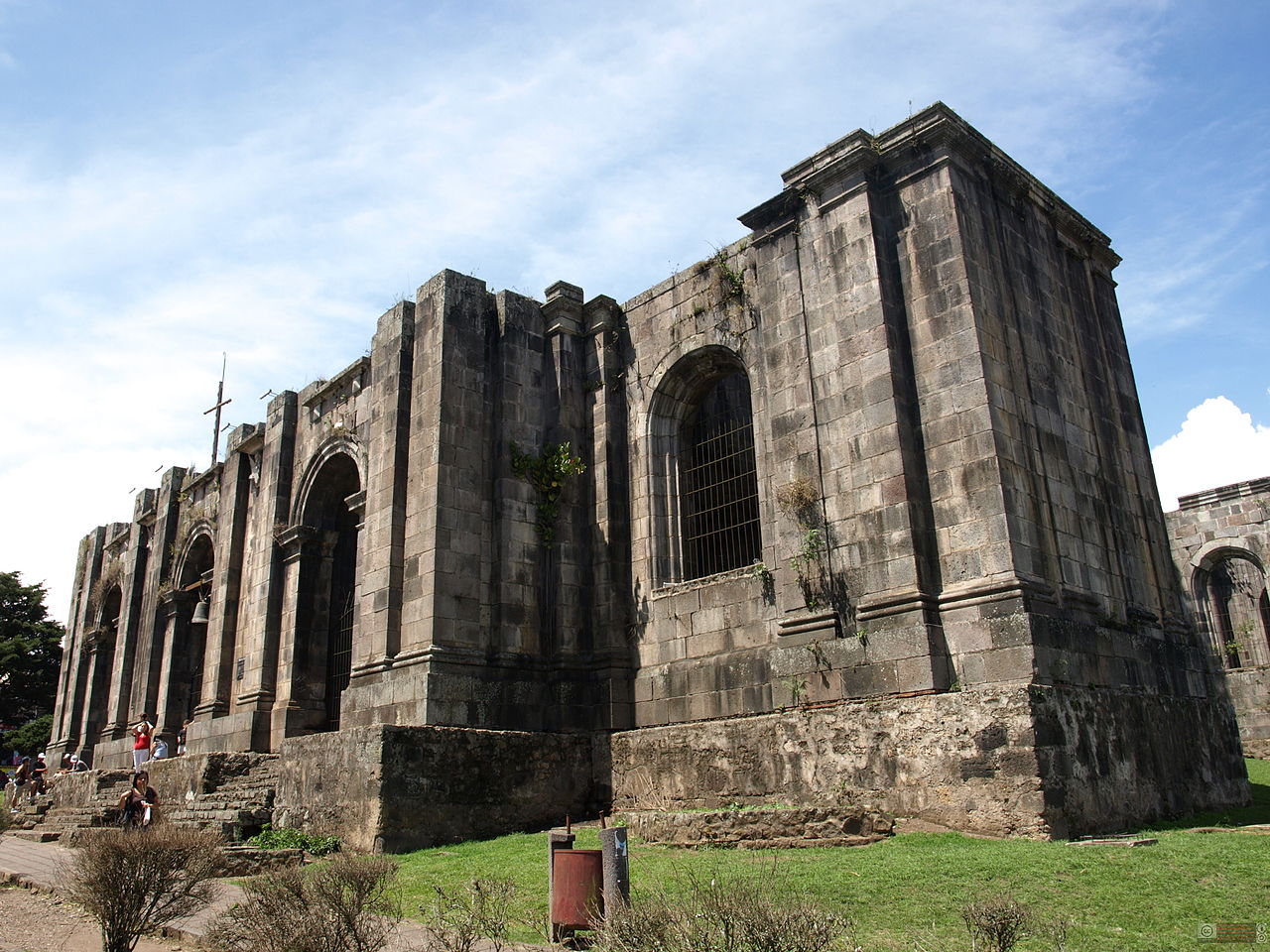
Founded during the Spanish colonial period, the city of Cartago served as Costa Rica's principal colonial capital and retains many historical sites and traditions. The Basilica of Our Lady of the Angels is a major religious landmark: each year thousands of pilgrims make a procession to venerate the Virgin, a practice that remains one of the country's most visible religious events.
Economy and uses
Agriculture has long been central to Cartago's economy: coffee, vegetables, dairy and other crops thrive on fertile volcanic soils. The province also supports light manufacturing, commerce and services centered on its towns. Volcanic landscapes and cultural heritage create important opportunities for tourism and environmental education.
Notable facts and conservation
Cartago is distinguished by its mix of historical importance and dramatic natural features. Conservation efforts focus on protecting highland watersheds, cloud forest remnants and volcanic ecosystems while balancing farming and tourism. Visitors are drawn by scenic valleys, mountain trails and the province's deep colonial and religious traditions.
Related articles
Author
AlegsaOnline.com Cartago Province (Costa Rica) Leandro Alegsa
URL: https://en.alegsaonline.com/art/17313
Sources
- inec.go.cr : "Anuario Estadístico 2012 - 2013"
- guiascostarica.com : "Provincia: Guanacaste"