
Carnegie, Pennsylvania
A small borough in Allegheny County near Pittsburgh, named for Andrew Carnegie; known for its historic library and music hall, local businesses, and community institutions.
Overview
Carnegie is a borough in Allegheny County, in Pennsylvania, and is part of the Pittsburgh Metro Area. Located a short distance from downtown Pittsburgh, it functions as a compact residential and commercial community with a mixture of small shops, neighborhood streets, and civic buildings. The population was 7,972 at the 2010 census.
Image gallery
7 Images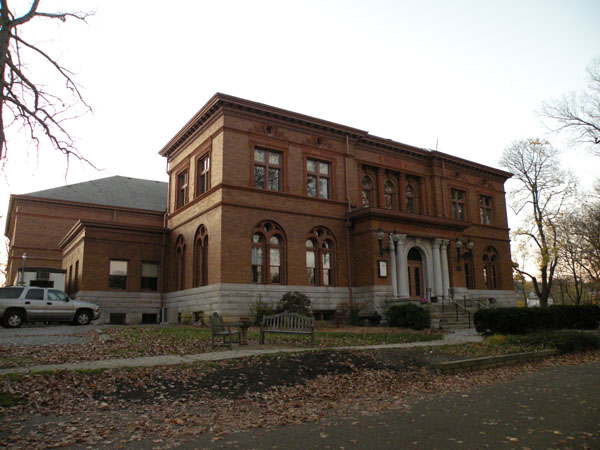




History and development
The borough grew during the late 19th and early 20th centuries as the Pittsburgh region expanded. Its name honors industrialist Andrew Carnegie, reflecting the area's historical ties to the steel and manufacturing economy that shaped southwestern Pennsylvania. Over time Carnegie evolved from a streetcar suburb into a self-contained borough with its own local government and community services.
Key characteristics
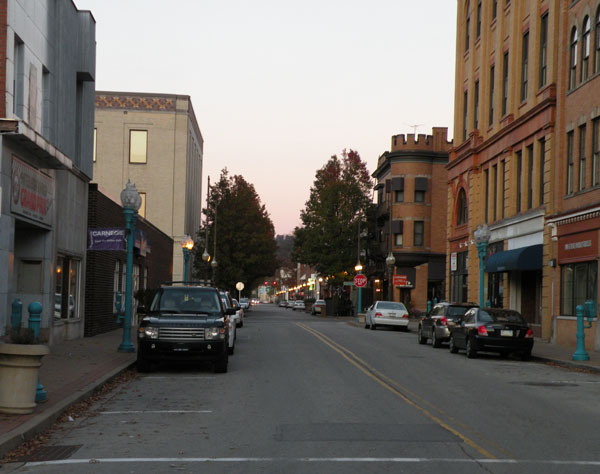
Carnegie's built environment includes early 20th-century commercial blocks, modest single-family homes, and community institutions. It is served by local schools within the Carlynton School District and by regional transit and road connections to the greater Pittsburgh area. The borough government is organized under Pennsylvania municipal law and provides typical services such as parks, public works, and local policing.
Notable sites and community life
- The Andrew Carnegie Free Library & Music Hall, founded with support from Carnegie-era philanthropy, is a longstanding cultural venue and community resource.
- Annual and seasonal community events, small-business corridors, and neighborhood organizations contribute to civic life.
- Local parks and recreational facilities offer space for outdoor activities and gatherings.
Although its name is shared with other Carnegie-associated institutions, the borough is distinct from institutions such as Carnegie Mellon University, which is located in the city of Pittsburgh. Residents and visitors value the borough's walkable downtown, cultural programming, and proximity to larger urban amenities while retaining a small-town feel within the broader context of the United States metropolitan region.
For further context and municipal information, official borough resources and regional planning documents provide current data on demographics, development, and services. Travelers and researchers can also consult regional transit authorities and county records for transportation and governance details.
Related articles
Author
AlegsaOnline.com Carnegie, Pennsylvania Leandro Alegsa
URL: https://en.alegsaonline.com/art/17154
Sources
- dictionary.reference.com : "Carnegie"