
Carlo Maria Martini
Italian Jesuit cardinal (1927–2012), biblical scholar and Archbishop of Milan (1980–2002), noted for scriptural scholarship, ecumenical engagement and a pastoral approach that emphasized dialogue with modern society.
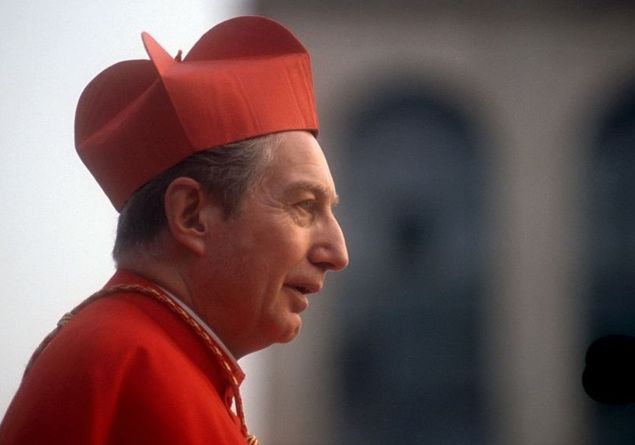
Carlo Maria Martini (15 February 1927 – 31 August 2012) was an Italian Catholic prelate, Jesuit priest and scholar who served as Archbishop of Milan from 1980 until his retirement in 2002. A member of the Society of Jesus, he combined pastoral leadership with a longstanding commitment to Scripture studies and public engagement. He was born in Orbassano in Italy and spent his later years in reduced health, dying in Gallarate after a long illness attributed to Parkinson's disease.
Image gallery
4 Images


Early life and formation
Martini entered the Jesuit order as a young man and undertook extensive theological and scriptural training typical of Jesuit formation. Over decades he combined ministry with academic work, studying biblical languages and methods of exegesis that informed his later teaching and writing. His formation shaped a style that sought to make scholarly study of the Bible accessible to clergy and laypeople alike.
Academic and ecclesiastical career
Before his appointment to Milan, Martini was known for teaching and research in Scripture, and for leadership in institutions devoted to theological education. As archbishop he moved from primarily academic responsibilities to the complex pastoral governance of one of Europe’s largest dioceses, while still encouraging theological reflection among clergy and laity.
Pastoral priorities and public engagement
As Archbishop of Milan he emphasized pastoral care, catechesis, and lay participation. He promoted ecumenical and interreligious dialogue and encouraged the Church to address contemporary social and ethical questions with openness and charity. His sermons and public addresses were noted for blending careful scriptural interpretation with a concern for ordinary believers and civic life.
Writings and theological stance
Martini published studies, pastoral letters and essays intended to bridge scholarly exegesis and popular understanding. He advocated careful, historically informed readings of biblical texts and a respectful engagement between tradition and modern knowledge. Observers often described him as a voice for reflection and reform, always attentive to the pastoral implications of theological positions.
Later years and legacy
After retiring from active governance of the archdiocese, Martini continued to write, give lectures and promote dialogue until his health declined. He was widely respected both as a scholar and a pastoral leader; commentators noted his combination of intellectual rigor, ecumenical concern and a conciliatory public tone. His life is frequently cited as an example of how scholarly expertise and pastoral sensitivity can inform episcopal ministry.
- Roles: Jesuit priest, biblical scholar, Archbishop of Milan (1980–2002), cardinal.
- Main interests: Scripture study, ecumenism, pastoral formation and the relationship between faith and contemporary culture.
- Later life: Continued writing and dialogue; retirement marked by illness and death in 2012.
Related articles
Author
AlegsaOnline.com Carlo Maria Martini Leandro Alegsa
URL: https://en.alegsaonline.com/art/17050
Sources
- nytimes.com : Cardinal Carlo Martini, Papal Contender, Dies at 85