
Medical cannabis: therapeutic uses, administration, risks, and legal status
Medical cannabis refers to using the cannabis plant and its cannabinoids to treat medical conditions. This article explains common uses, delivery methods, known risks, historical context and the varied legal landscape.
Medical cannabis denotes the therapeutic use of the cannabis plant and its chemical constituents under medical supervision. The term covers whole-plant preparations as well as isolated or synthetic cannabinoids; for a general botanical and chemical overview see cannabis and cannabinoids. Research into clinical effects has expanded in recent decades, but regulatory barriers and limited standardized products have constrained large-scale trials; summaries of medical research and guidance can be found at sources such as medical reviews.
Image gallery
10 Images


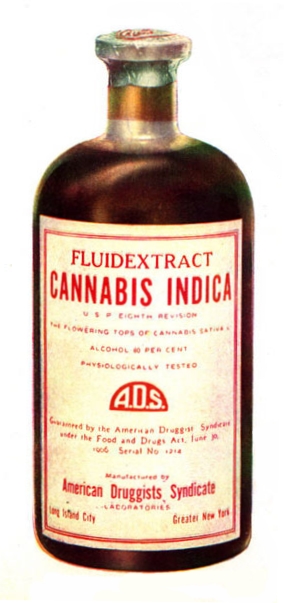

Therapeutic uses and examples
- Antiemetic effects: certain cannabis preparations are used to reduce nausea (nausea) and vomiting (vomiting) associated with chemotherapy for cancer patients.
- Appetite stimulation: cannabinoids have been shown to improve appetite (appetite) and counteract wasting in people with HIV (HIV) or AIDS.
- Pain and spasticity: chronic (chronic) neuropathic and nociceptive pain syndromes and muscle (muscle) spasms are among the most commonly cited indications.
Forms of administration
Medical cannabis is available in multiple delivery formats. Common routes include inhalation (smoking dried flower or vaporizing), oral ingestion (edibles and oils), and measured pharmaceutical forms such as capsules or lozenges. Delivery method affects onset, duration and dosing precision: inhaled products act quickly but vary with inhalation technique, while oral preparations have slower onset and more variable absorption.
Known effects and safety considerations
Short-term effects may include drowsiness, dizziness and perceptual changes; some users report hallucinations (hallucinations) at higher doses. Long-term consequences remain incompletely defined; concerns raised in clinical and epidemiological studies include memory (memory) and cognitive effects, potential for dependence and misuse (addiction), and accidental ingestion by children. The balance of benefit versus risk depends on product composition (for example, differing ratios of psychoactive THC and non-intoxicating CBD), dose, frequency of use and the underlying condition. The use of cannabis in medicine is viewed as controversial in many professional and policy settings because evidence strength varies by indication.
History, regulation and legal status
Humans have used cannabis for medicinal and ritual purposes for thousands of years; modern clinical interest revived in the late 20th and early 21st centuries as constituents were identified and small clinical trials appeared. Legal frameworks differ markedly between jurisdictions: some countries permit medical programs, others restrict all uses. Examples of national approaches include regulated programs in the Czech Republic, Canada, Austria, the Netherlands, Italy and Germany. Legislative change has been proposed or enacted in places such as Australia. In the United States, federal law still classifies cannabis as illegal, but many states implement medical programs and typically do not arrest registered patients who comply with state rules.
Clinicians and patients considering medical cannabis should evaluate product quality, clear diagnostic indication, potential drug interactions, and local regulatory requirements. Standardized dosing, monitoring for adverse effects, and preference for evidence-based formulations where available can improve safety. As research continues and regulatory frameworks evolve, clinical guidance and product availability are likely to change over time.
Questions and answers
Q: What is medical marijuana?
A: Medical marijuana, also known as medical cannabis, is cannabis and cannabinoids that are prescribed by doctors to their patients.
Q: How can medical marijuana help people?
A: Medical marijuana can help with nausea and vomiting during chemotherapy, improve appetite in people with HIV/AIDS, reduce chronic pain and muscle spasms.
Q: What are the short-term side effects of using medical marijuana?
A: Common short-term side effects of using medical marijuana include feeling tired, dizziness and hallucinations.
Q: Are there any long-term effects associated with using medical marijuana?
A: The long-term effects of using medical marijuana are not clear yet but some concerns include memory problems, risk of addiction and children taking it by accident.
Q: How has the Cannabis plant been used as medicine historically?
A: The Cannabis plant has been used as medicine for thousands of years in many cultures.
Q: How can medical cannabis be taken? A: Medical cannabis can be taken in different ways including vaporizing, smoking dried buds, eating foods that have cannabis in them, taking capsules or using lozenges.
Q: Is recreational use of marijuana legal everywhere ? A: No , recreational use of Marijuana is illegal in most parts of the world . However , some countries like Czech Republic , Canada , Austria , Netherlands , Italy & Germany have legalized its use for medicinal purposes . In US too certain states allow its usage if one follows state's rules regarding its usage .
Related articles
Author
AlegsaOnline.com Medical cannabis: therapeutic uses, administration, risks, and legal status Leandro Alegsa
URL: https://en.alegsaonline.com/art/63406
Sources
- ncbi.nlm.nih.gov : "Medicinal Cannabis"
- drugabuse.gov : "Marijuana as Medicine"
- nature.com : "Release the Strains"
- onlinelibrary.wiley.com : "The Pharmacologic and Clinical Effects of Medical Cannabis"
- jamanetwork.com : "Cannabinoids for Medical Use"
- cnn.com : Australia to Give Green Light to Medical Cannabis