
Bytom — city in Upper Silesia, Poland
Bytom is an Upper Silesian city in southern Poland, known for its industrial history, dense urban fabric and ongoing post‑industrial regeneration. Population about 193,000; area ~69 km².
Overview
Bytom is a city in southern Poland, located in the heart of the Silesian industrial region. Administratively it belongs to the Silesian Voivodeship. The municipality covers roughly 69 km² and has a population of about 193,000 people, making it one of the larger cities in the Upper Silesian conurbation around Katowice.
Image gallery
10 Images




Characteristics
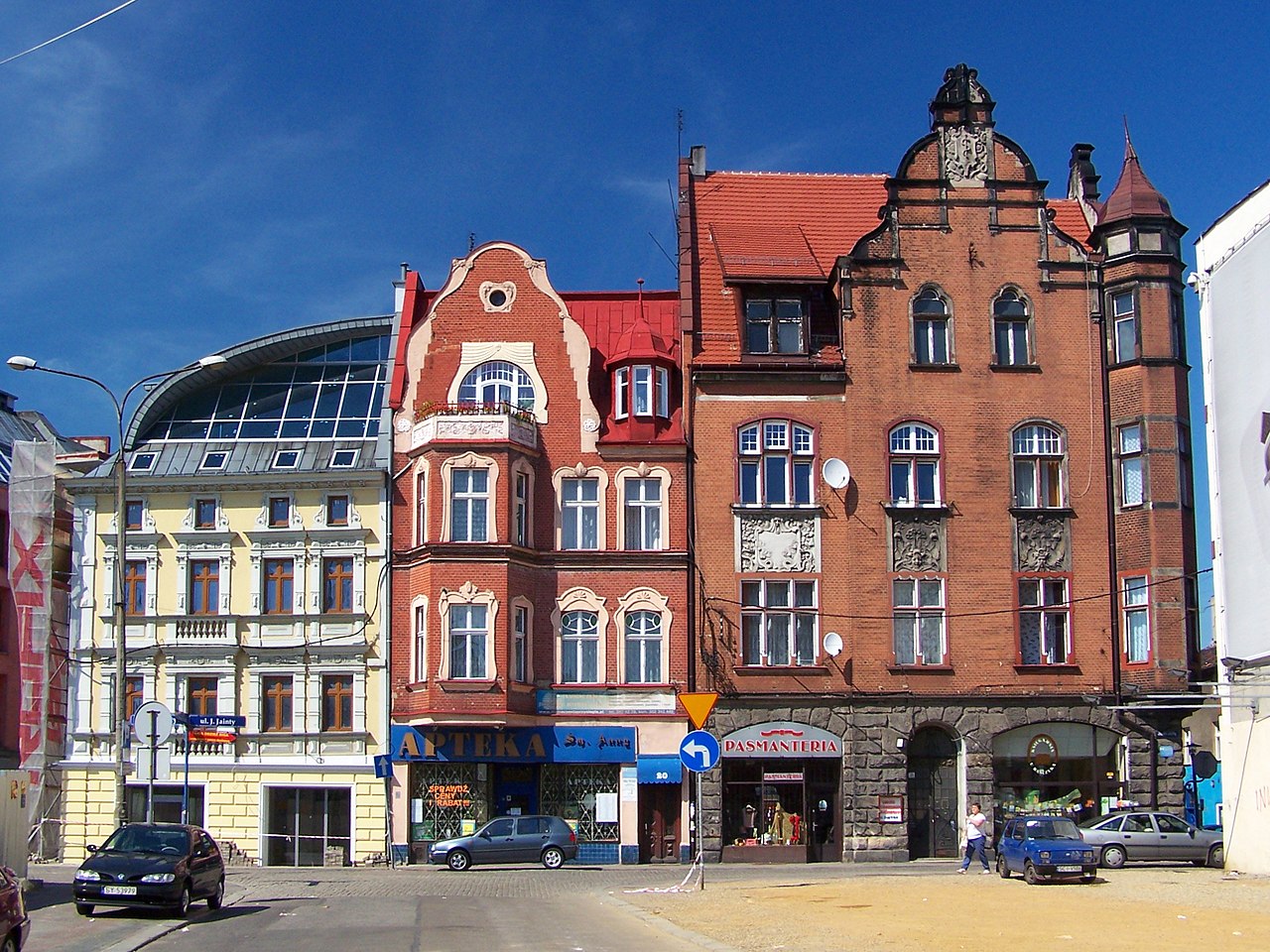
The urban landscape mixes dense residential neighborhoods, surviving pre‑war architecture and buildings from the industrial boom of the 19th and 20th centuries. Remnants of mining and metallurgical activity remain visible in infrastructure, while parks and smaller green areas are interwoven into the city fabric. Many residents commute within the wider Silesian metropolitan area for work.
History and development
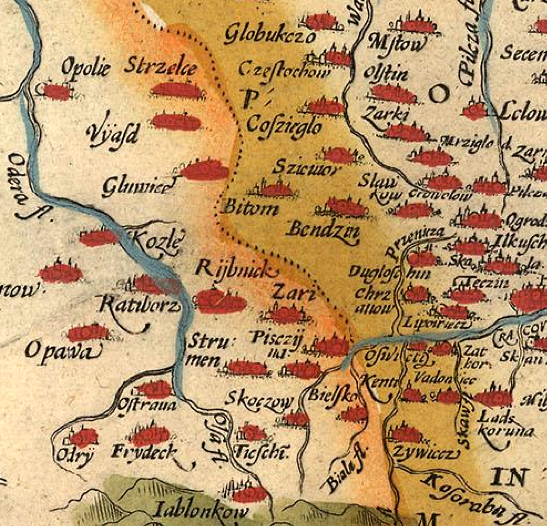
Bytom has medieval origins and developed significantly during the industrial revolution when coal, ore and heavy industry transformed Upper Silesia. Over centuries the city experienced shifts in political control common to the region and after the mid‑20th century became part of the Polish state. Like other former industrial centers, Bytom has faced the social and environmental consequences of deindustrialization and has been engaged in regeneration efforts.
Economy, transport and urban change
Historically shaped by mining and heavy industry, the city's economy has diversified toward services, light manufacturing and trade while retaining industrial heritage sites. Bytom is linked by regional rail and road networks to neighboring cities in the Silesian metropolitan area, enabling daily commuting and economic interaction with Katowice and other centers.
Culture, landmarks and contemporary issues
Local cultural life includes theatres, community institutions and historic churches that reflect the city's long history. Preservation of architectural heritage, remediation of post‑mining landscapes and revitalization of brownfield sites are among the contemporary priorities. As a component of the dense Upper Silesian urban region, Bytom plays a role in regional planning and cultural identity.
Quick facts
- Country: Poland
- Voivodeship: Silesian Voivodeship
- Area: about 69 km²
- Population: roughly 193,000
Related articles
Author
AlegsaOnline.com Bytom — city in Upper Silesia, Poland Leandro Alegsa
URL: https://en.alegsaonline.com/art/15751