
Burn Burn (Our Lady Peace album)
Burn Burn is the seventh studio album by Canadian rock band Our Lady Peace, released July 21, 2009. It was produced by lead singer Raine Maida and reached the top three in Canada.
Overview
Burn Burn is the seventh studio album by the Canadian rock band Our Lady Peace. It was released on July 21, 2009 and was produced by the group's lead singer, Raine Maida. On release the record reached #3 on the Canadian Albums Chart and entered the U.S. Billboard 200, peaking within the top 50. The album represents a distinct entry in the band's catalog, produced internally rather than by an outside producer.
Image gallery
1 Image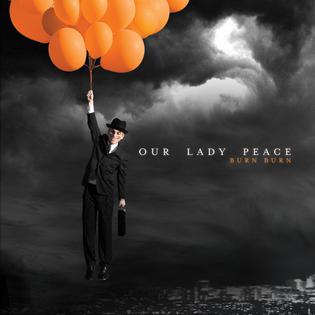
Recording and production
Raine Maida took on production duties for Burn Burn, overseeing recording and the album's overall sonic direction. The band worked to capture a more immediate, guitar-oriented sound with a focus on compact arrangements and direct vocal performances. Production choices favored clarity and energy over heavy studio ornamentation, a contrast to some more elaborately produced contemporaneous releases.
Music, themes and style
Musically, the album leans on melodic rock foundations: driving guitar parts, melodic hooks and expressive vocals. Lyrical themes explore personal reflection, relationships and resilience, delivered with Maida's characteristic emotive tone. Several songs were positioned as singles to emphasize the album's radio-friendly songwriting alongside more introspective tracks.
Singles and notable tracks
- "All You Did Was Save My Life" — one of the lead singles emphasizing the album's pop-rock sensibility.
- "The End Is Where We Begin" — another single that showcases a balance of melody and intensity.
- Other tracks combine rock dynamics with reflective lyrics typical of the band's output.
Release, reception and legacy
Upon release Burn Burn charted strongly in Canada and achieved measurable presence internationally. Critical response ranged from mixed to positive: some reviewers praised the return to concise songwriting and energetic performances, while others preferred the band's earlier or more experimental work. For fans, the album stands as a notable, self-produced chapter in Our Lady Peace's long career and served as the basis for touring and promotion in the years that followed.
Further information
The album is often discussed in the context of the band's evolution during the 2000s and is referenced on many band discography summaries and music databases. For additional details such as full track listings, recording credits and touring dates, consult official band resources and music reference sites.
Related articles
Author
AlegsaOnline.com Burn Burn (Our Lady Peace album) Leandro Alegsa
URL: https://en.alegsaonline.com/art/15481