
Bühl (Bühl bei Aarberg), municipality in Seeland, Canton of Bern
Bühl (Bühl bei Aarberg) is a small Swiss municipality in the Seeland district of the canton of Bern. This article outlines its location, landscape, history, administration, and local life.
Overview
Bühl, often called Bühl bei Aarberg to distinguish it from other places with the same name, is a small municipality in the administrative district of Seeland in the canton of Bern, in Switzerland. It functions as a local community within the Swiss federal system and is part of a region known for its flat, fertile plains, lakes and waterways.
Image gallery
4 Images


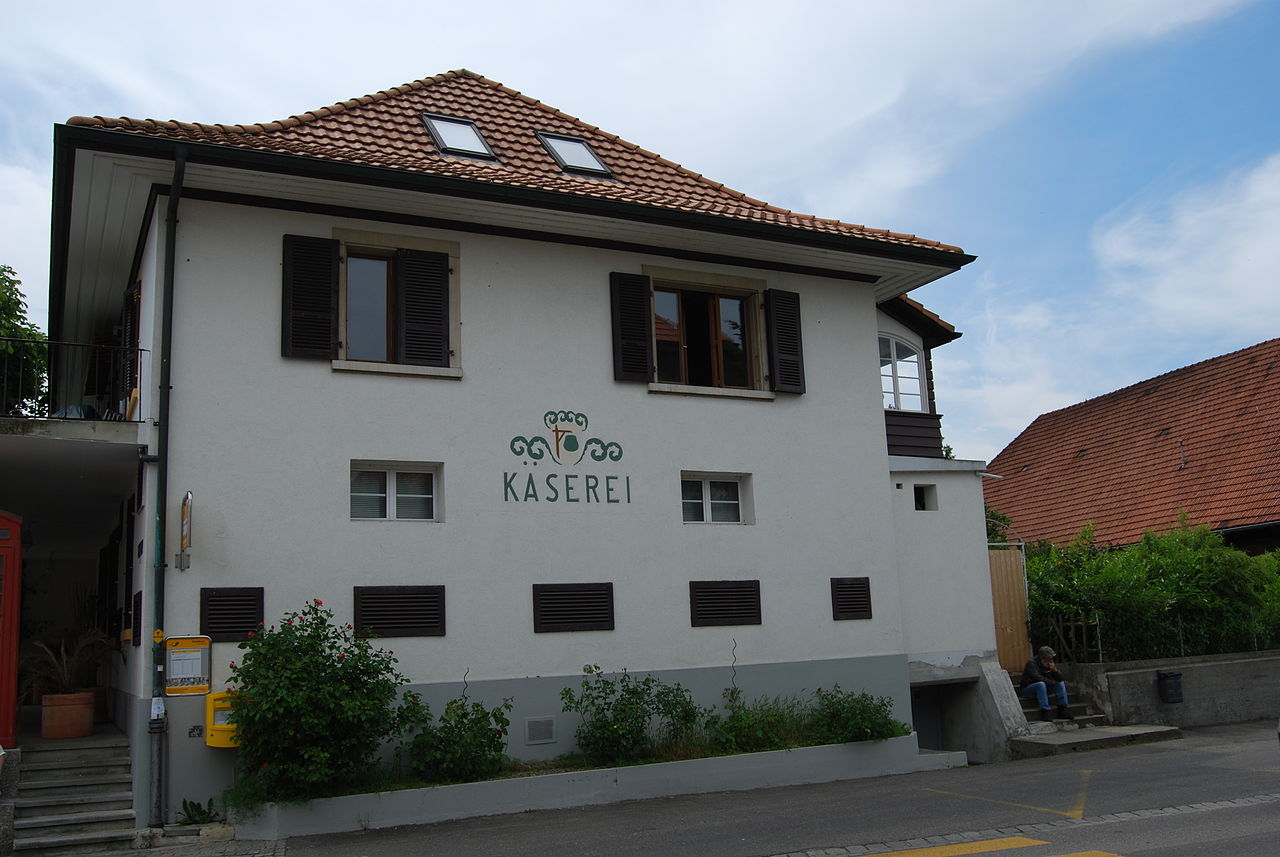
Geography and landscape
Bühl lies in the lowland area of the Seeland, a belt of reclaimed marshes and agricultural land between several major lakes. The landscape around the municipality is characterized by fields, small woodlands and waterways that historically shaped settlement patterns and land use. The area is well suited to mixed farming and benefits from proximity to larger towns for markets and services.
History and development
The settlement that became Bühl grew out of rural farming communities in the broader Seeland region. Over centuries the area experienced incremental changes: land drainage and agricultural improvement in the early modern period, administrative reorganizations under cantonal reform, and gradual integration into modern transport and economic networks. Local architecture and place names reflect this layered past.
Administration and local life
As a Swiss municipality, Bühl has a municipal council responsible for local services, planning and community affairs, while cantonal and federal authorities provide broader functions. Daily life centers on agriculture, small businesses and commuting to nearby urban centers. Public transport and local roads connect residents to workplaces, schools and shops in neighbouring municipalities.
Characteristics and notable facts
- Small-scale, rural character with an emphasis on farming and village life.
- Part of cooperative arrangements common in Seeland for utilities and schooling.
- Close cultural and economic links with nearby towns such as Aarberg and regional hubs.
- Surrounded by the lakes and waterways that define the Seeland's landscape.
Further context
Bühl illustrates many features typical of Swiss lowland municipalities: a local council handling community needs, an economy that mixes agriculture with commuting employment, and a landscape shaped by human intervention over centuries. Visitors and researchers often view such places as examples of rural continuity within a modern federal state.
For administrative details and official services see the municipal entry and regional resources.
Related articles
Author
AlegsaOnline.com Bühl (Bühl bei Aarberg), municipality in Seeland, Canton of Bern Leandro Alegsa
URL: https://en.alegsaonline.com/art/15169