
Yoshihide Suga: Japanese Leader and Former Prime Minister
Overview of Yoshihide Suga, his political career, tenure as Japan’s prime minister, major policies and the challenges that led to his resignation in 2021.
Overview
Yoshihide Suga (born 6 December 1948) is a Japanese politician who served as Prime Minister of Japan from September 2020 to September 2021. A senior figure in the Liberal Democratic Party (LDP), Suga was seen as a continuity candidate who promised stability after his predecessor. His rise to the premiership and party leadership followed decades of service in national politics and in government administration.
Image gallery
9 Images


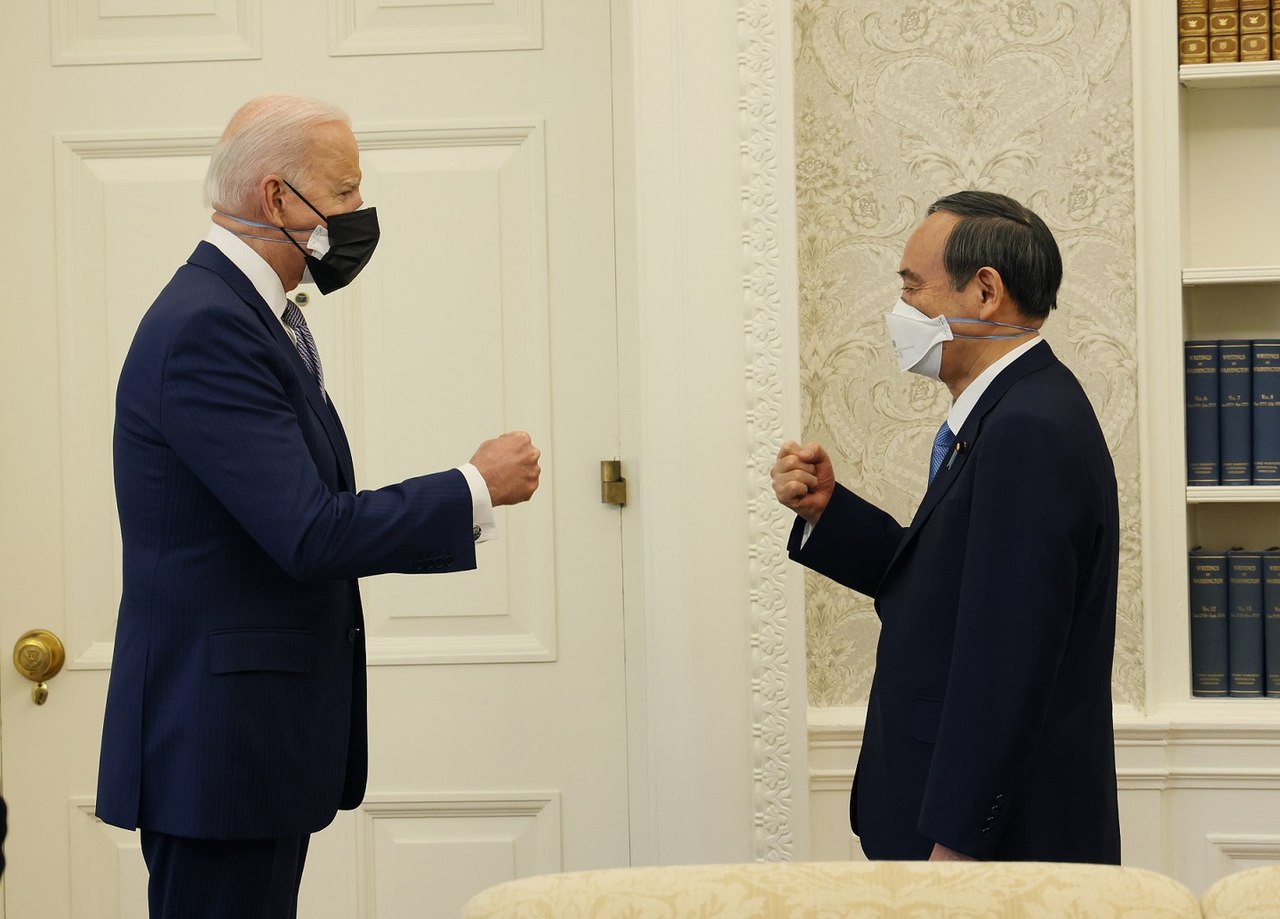

Political career and background
Suga built a reputation as a low-key, pragmatic administrator. He is best known for his long tenure as Chief Cabinet Secretary under Prime Minister Shinzo Abe, a role in which he coordinated government policy, handled communications with the public and managed daily crisis responses. In September 2020 he was elected LDP president and became prime minister, succeeding Abe; his selection was covered widely as an internal party decision intended to preserve existing policy directions (appointment as prime minister, LDP presidency, predecessor Shinzo Abe).
Key policies and initiatives
As prime minister Suga emphasized administrative reform and continuity of economic policy commonly associated with "Abenomics." Major directions included efforts to accelerate digital transformation of government services and to streamline administrative procedures. His cabinet advanced the creation of a national Digital Agency to coordinate online public services and reduce bureaucracy. Suga also highlighted measures aimed at supporting businesses and regional revitalization.
Challenges, 2020–2021
The Suga administration faced significant difficulties during the COVID-19 pandemic and in managing the public response to the Tokyo 2020 Summer Olympics, held in 2021 after delay. Public concern about pandemic controls, vaccination pace and event controversies affected public approval ratings. These pressures contributed to his decision not to seek another term as party leader, and he stepped down in September 2021; his handling of these issues has been a central part of assessments of his premiership (COVID-19 response, Tokyo Olympics).
Legacy and notable facts
- Suga is widely regarded as a practitioner of practical governance rather than a charismatic public figure.
- His administration prioritized digital reforms and administrative streamlining.
- He was succeeded as prime minister by Fumio Kishida after stepping down as LDP leader.
While his time as prime minister was brief, Suga's career illustrates the influence of party organization and bureaucratic experience in modern Japanese politics. Observers note his focus on steady management, though debate continues over the longer-term effects of his shorter tenure in office.
Author
AlegsaOnline.com Yoshihide Suga: Japanese Leader and Former Prime Minister Leandro Alegsa
URL: https://en.alegsaonline.com/art/148178