
Shinzo Abe
Japanese politician who served as Prime Minister (2006–2007, 2012–2020), architect of “Abenomics,” and Japan's longest-serving postwar leader; influential in economic, security, and diplomatic policy.
Overview
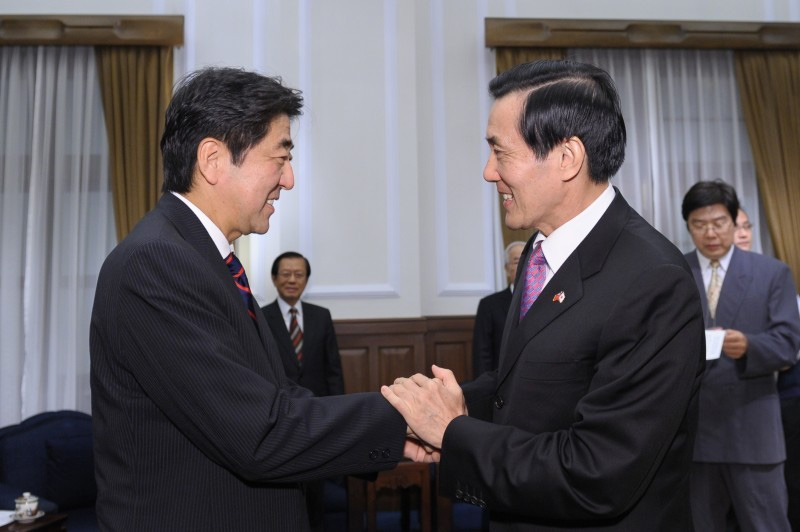
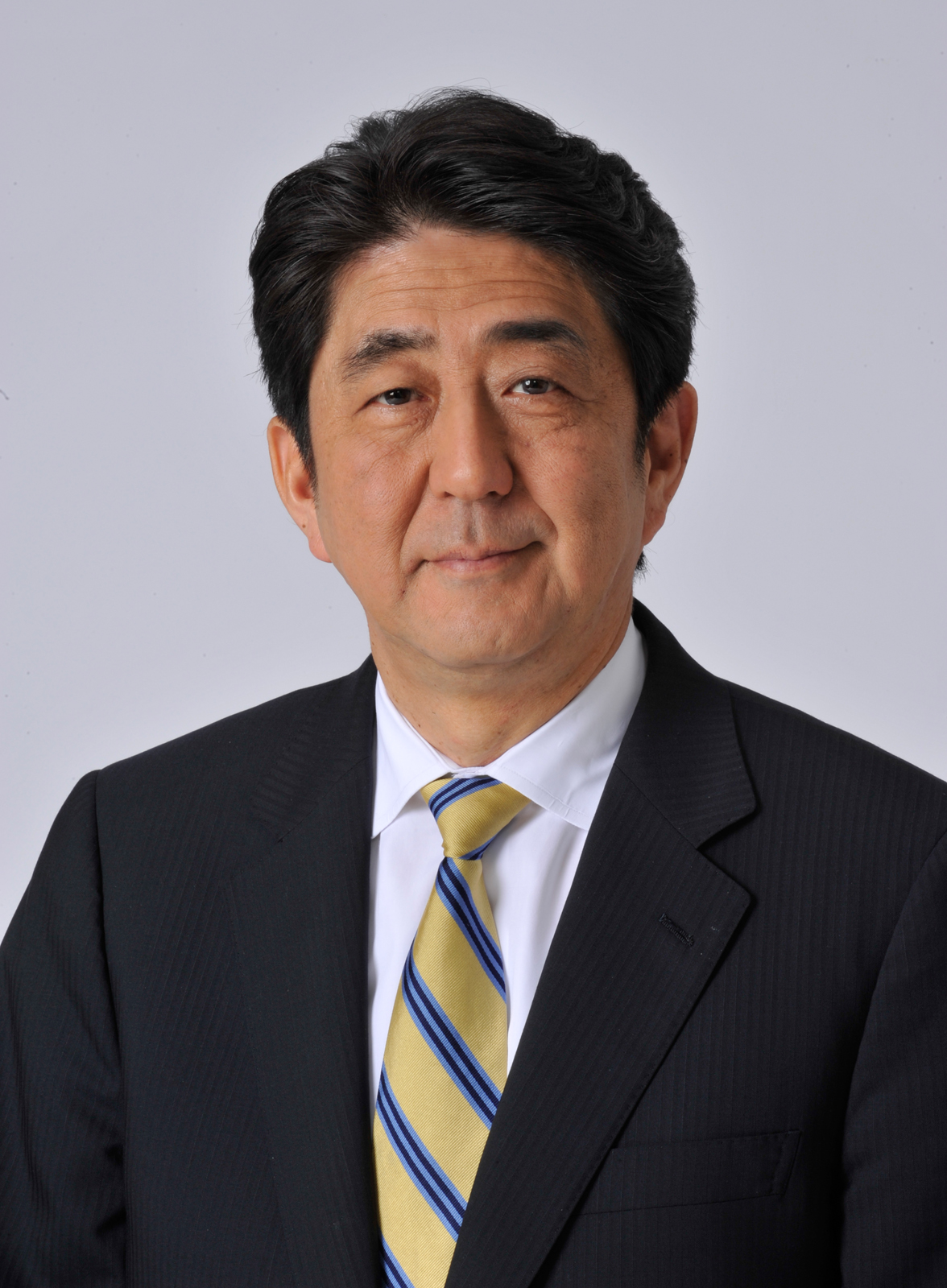
Shinzo Abe (安倍 晋三, 21 September 1954 – 8 July 2022) was a prominent Japanese politician and member of the Liberal Democratic Party. He served two terms as Prime Minister of Japan — first from 2006 to 2007 and again from 2012 to 2020 — and was a member of the House of Representatives from 1996 until his death. Abe also held the position of Chief Cabinet Secretary under Prime Minister Junichiro Koizumi between 2005 and 2006.
Image gallery
10 Images



Political career and offices
Abe led the LDP on two occasions and became Japan’s longest-serving prime minister in the postwar period during his second tenure. His first administration ended when he resigned citing health reasons; he returned to national leadership five years later. As prime minister he was responsible for appointing cabinets, guiding party policy, and representing Japan in international forums. His leadership style combined continuity of conservative party traditions with efforts to reposition Japan on economic and security issues.
Major policies and priorities
Abe is widely associated with a set of economic measures commonly called "Abenomics," which blended aggressive monetary easing, fiscal stimulus, and structural reforms intended to revive long-term growth. On security, his government pursued reinterpretation of legal limits on the use of force to allow collective self-defence and increased attention to defense planning and spending. He also sought to revise Japan’s postwar pacifist constitution, a long-standing conservative objective.
Diplomacy and regional strategy
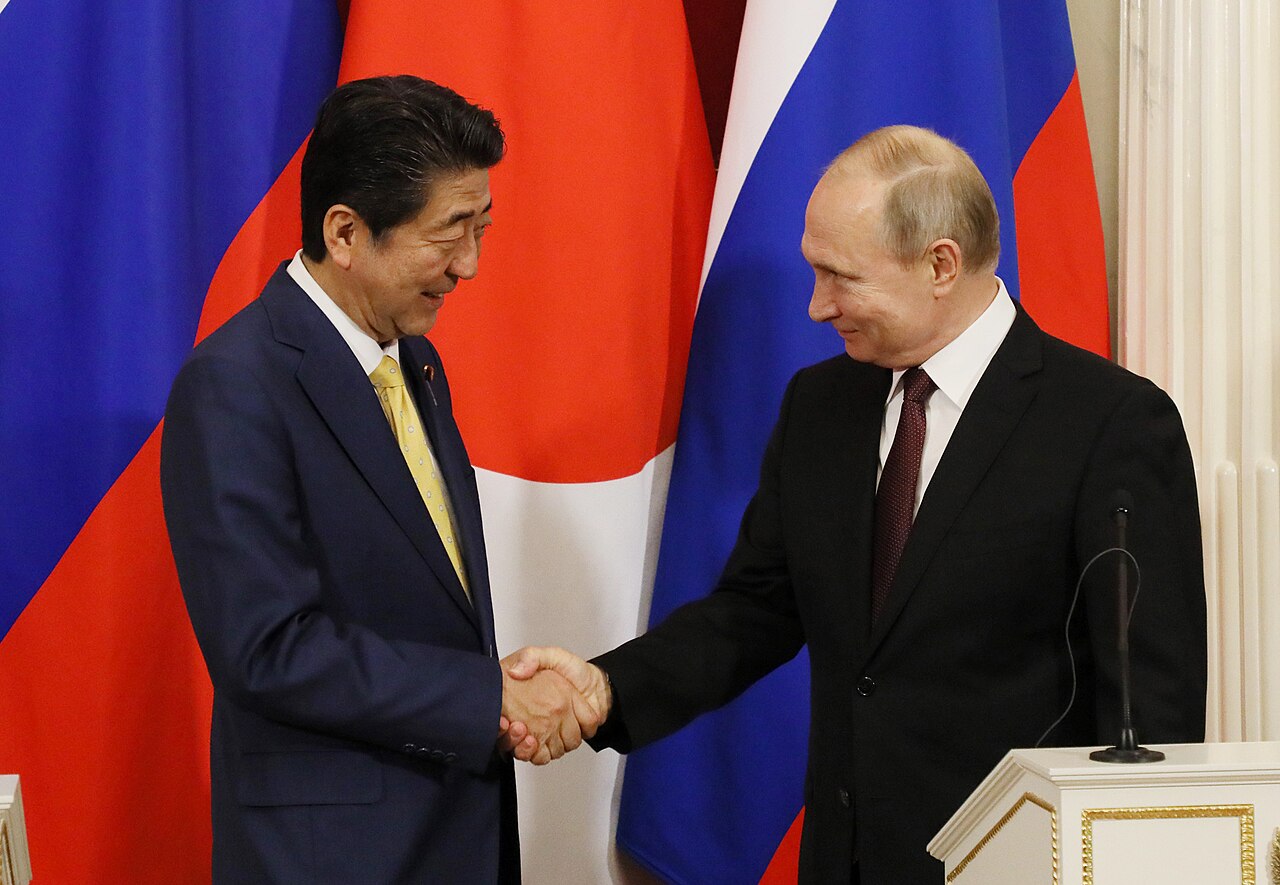
Under Abe, Japan placed renewed emphasis on strengthening alliances and regional partnerships, particularly with the United States, and promoted the concept of a "Free and Open Indo-Pacific" to shape economic and strategic cooperation across Asia-Pacific. Relations with neighboring countries had mixed results: Abe pursued closer security ties with some partners while disputes with others, especially over historical and territorial issues, remained sensitive.
Background and personal life
Born into a political family in Yamaguchi Prefecture, Abe was the son and grandson of influential politicians, which shaped his early exposure to public life. He studied political science at Seikei University and spent time abroad as a student. He was married to Akie Abe and remained an active public figure after leaving the premiership.
End of career and legacy
Abe resigned from the prime ministership in 2020 again citing health concerns related to a chronic illness. On 8 July 2022 he was fatally shot while campaigning, an event that prompted national and international reaction. His legacy is complex: he left a lasting imprint on Japan’s economic strategy, defense posture, and diplomatic initiatives, sparking continued debate about constitutional change, economic reform, and Japan’s role on the world stage.
- Key offices: Prime Minister of Japan, Chief Cabinet Secretary, LDP president.
- Notable programs: Abenomics (monetary, fiscal, structural), security legislation reform.
- Historical notes: Longest-serving postwar prime minister; politician from a multigenerational political family.
For further reading on Japan's government structures and parliamentary roles see the links to basic reference materials: Prime Minister of Japan, House of Representatives, and party history at the Liberal Democratic Party. Biographical context on his earlier service can be found via materials about Junichiro Koizumi and the cabinets of the 2000s.
Author
AlegsaOnline.com Shinzo Abe Leandro Alegsa
URL: https://en.alegsaonline.com/art/130860