
Yard (land): definition, types, uses and management
A yard is the open land immediately surrounding a building. This article explains common features, historical context, types (frontyard, backyard), uses, management and distinctions from gardens and courtyards.
A yard is the open space directly surrounding a building. It may be part of a private property, shared by multiple dwellings, or belong to an institution such as a school, church or factory. Yards take many forms — paved forecourts, planted areas, fenced enclosures or mixed-use spaces — and are distinguished from fully cultivated gardens or interior courtyards by their relationship to the building and typical multifunctional use.
Image gallery
5 Images


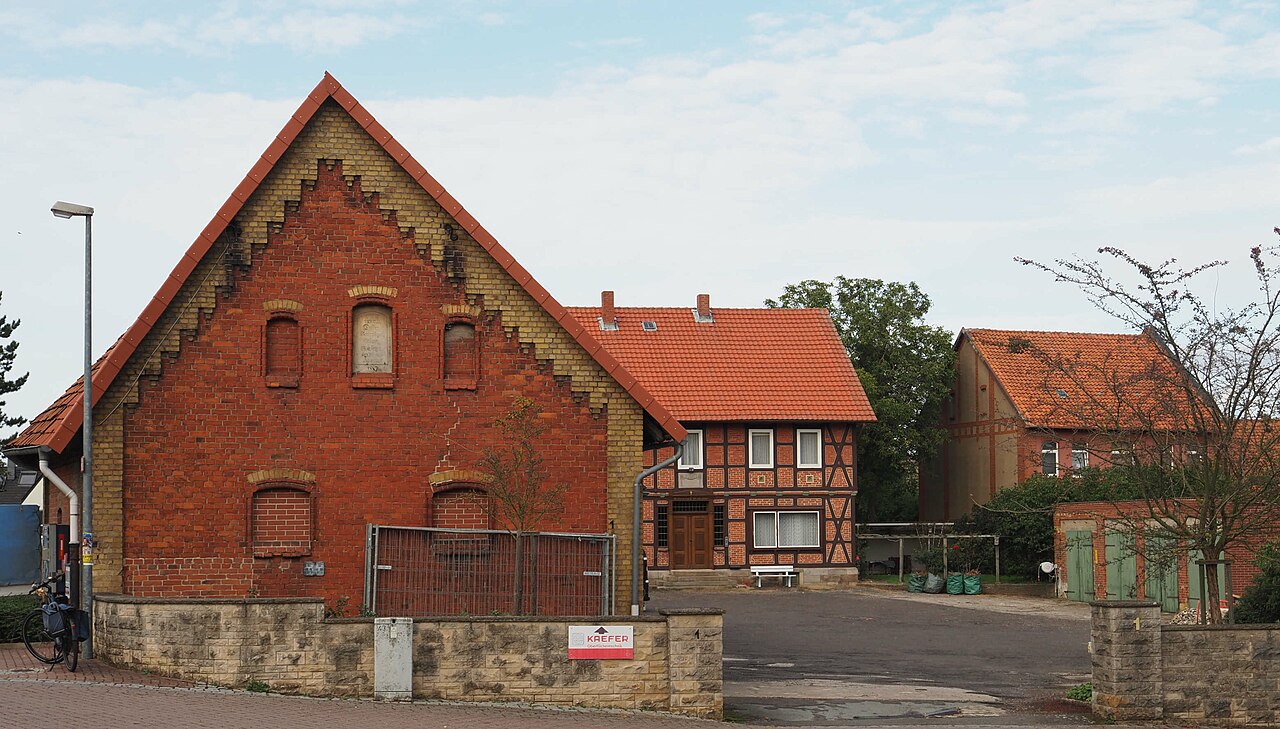

Characteristics and common components
Typical elements found in a yard include a lawn, paved paths or patios, driveways, planting beds, trees and shrubs, fences or walls, and small outbuildings such as sheds. Lawns in particular are a frequent feature; many yards include maintained turf often referred to as lawns. Functional infrastructure — drainage channels, steps, lighting and access gates — also shapes how a yard is used.
History and cultural context
Outdoor spaces around dwellings have existed in most cultures in various forms: from ancient enclosed courtyards and communal village greens to the farmyard of agrarian households. In urbanizing societies the yard evolved to include ornamental lawns, play areas and service spaces. Regional language varies: for example, what some speakers call a "yard" may be called a "garden" or a "backyard" elsewhere, reflecting local traditions and climate.
Yards serve practical and social roles. Common uses include recreation and play, gardening and food cultivation, outdoor household tasks, storage, and informal social gatherings. Many yards are designed to influence microclimate around a house — trees and plantings provide shade and windbreaks — and to offer habitat for wildlife in otherwise built environments.
- Recreation: play areas, patios and barbecues.
- Utility: parking, waste storage, maintenance access.
- Horticulture: vegetable beds, flower borders and container gardening.
- Environmental functions: rainwater infiltration, shade and pollinator support.
Design and maintenance choices vary with culture, climate and regulation. Lawn mowing, pruning, irrigation and pest management are common maintenance tasks. Increasingly, sustainable options such as native-plant landscaping, permeable paving, rain gardens and xeriscaping are chosen to reduce water use and runoff. Legal and social constraints — property boundaries, municipal ordinances and homeowners’ association rules — also shape what a yard may contain.
Distinctions: a yard is often more functional and connected to building access and service than a formal garden; a courtyard is typically enclosed on several sides by structures; and the terms front yard, side yard and backyard identify location relative to a building. Though modest in scale, yards play an important role in everyday life by linking indoor spaces to the wider landscape and providing flexible outdoor areas for human and ecological uses.
Author
AlegsaOnline.com Yard (land): definition, types, uses and management Leandro Alegsa
URL: https://en.alegsaonline.com/art/148119