
World Food Programme: United Nations Agency for Global Food Assistance
The World Food Programme (WFP) is the United Nations agency that provides emergency food aid, school meals, nutrition support and logistics to millions worldwide to combat hunger and malnutrition.

Overview
The World Food Programme (WFP) is the food-assistance agency of the United Nations system and is widely recognized as the largest humanitarian organisation addressing hunger. Established in 1961 following initiatives linked to the Food and Agriculture Organization, the WFP's stated mission is to end hunger and malnutrition and to ensure that vulnerable people have access to the food they need. From its headquarters in Rome the agency coordinates international food assistance and operates more than eighty country offices and regional hubs.
Image gallery
10 Images




Primary functions and activities
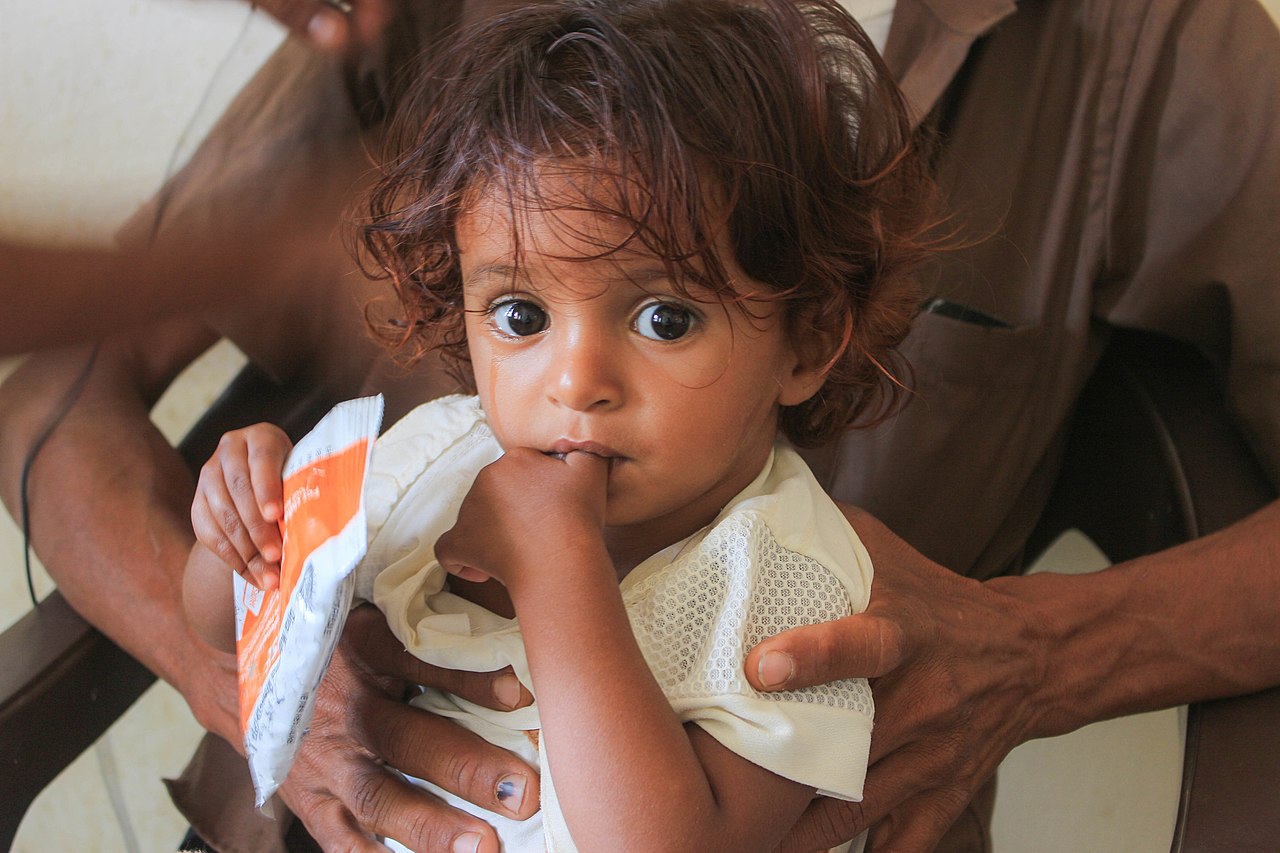
WFP carries out a mix of emergency relief, development-oriented and resilience-building activities. Its work includes immediate food distribution during crises, provision of school meals to improve child nutrition and attendance, targeted nutrition programs for mothers and young children, and cash- or voucher-based transfers that allow people to buy food locally. WFP also maintains large-scale logistics capabilities—warehousing, transport and supply-chain services—that support humanitarian operations worldwide.
Programs and delivery methods
- Emergency response: rapid food distribution and lifesaving rations in conflicts, famines and natural disasters.
- School feeding: meals and take-home rations that support education and long-term nutrition.
- Nutrition interventions: fortified foods and supplements for pregnant women, infants and young children.
- Cash and voucher assistance: digital or paper vouchers that stimulate local markets while meeting household food needs.
- Logistics and supply chain: global procurement, storage and transport services for relief supplies.
History and development
WFP originated in the early 1960s as governments and international agencies sought coordinated ways to address food insecurity. Over decades it evolved from primarily distributing commodity food aid to using a wider palette of tools—cash transfers, local and regional procurement, partnerships with governments and NGOs, and programs designed to build resilience to future shocks. The agency became an integral part of international humanitarian responses and a prominent member of global efforts to reduce hunger.
Importance, partnerships and recognitions
WFP works with national governments, the private sector, non-governmental organizations and other UN agencies to deliver assistance and to strengthen national food systems. Its logistics and field presence make it a frequent first responder in complex emergencies. The organisation's role in alleviating hunger and contributing to stability was internationally recognized when it received the Nobel Peace Prize in 2020 for its efforts to combat hunger and its contribution to peace. WFP is also a member of various UN coordination bodies and collaborates with the Food and Agriculture Organization and other partners on policy, data and program delivery.
Notable facts and challenges
WFP assists tens of millions of people annually; reported figures vary with emergency needs and funding levels. Its ability to respond depends heavily on donor contributions and the wider political and security environment. Persistent challenges include accessing populations in conflict zones, rising food prices, climate change impacts on food production, and the need to shift from short-term relief to sustainable solutions. The agency continues to adapt its tools and partnerships to meet changing global needs while aiming to support long-term food security and resilience. For more information about WFP's mandate and activities, see its public materials and partnerships with other agencies focused on hunger reduction such as efforts to end hunger.
Further reading and operational details are available through official channels and partner pages that describe country programmes, donor reports and logistical operations in greater depth. For outreach and contacts, consult agency resources linked from its headquarters and field offices.
Author
AlegsaOnline.com World Food Programme: United Nations Agency for Global Food Assistance Leandro Alegsa
URL: https://en.alegsaonline.com/art/148054