
William Lombardy: American chess grandmaster, coach and writer
William Lombardy (1937–2017), American chess grandmaster, coach of Bobby Fischer, World Junior Champion with a perfect score, influential teacher, chess writer and former Catholic priest.
Overview
William James Lombardy (December 4, 1937 – October 13, 2017) was an American chess figure best known as a chess grandmaster, author, teacher and one-time Catholic priest. He was a prominent competitor in the 1950s and 1960s, a longtime presence in U.S. chess circles, and a key mentor during a pivotal era of American chess.
Image gallery
3 Images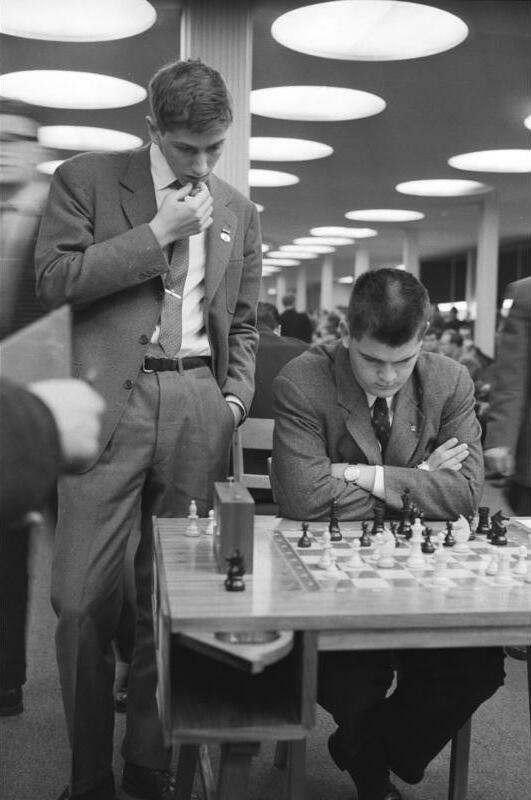
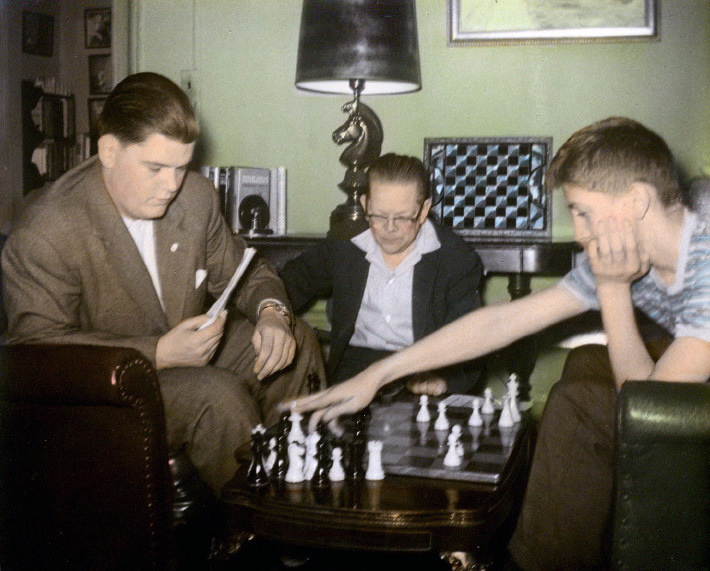
Chess career and achievements
Lombardy achieved international recognition early in his career and earned acclaim for several notable accomplishments. He remains the only World Junior Champion to claim the title with a perfect score, a distinction that set him apart from his peers. In 1960 he captained and led the U.S. Student Team to the gold medal at the World Student Team Championship in Leningrad, a major team triumph during the Cold War era of chess competition.
- Grandmaster status and international competition.
- World Junior Champion — won with a perfect score.
- Leader of the U.S. Student Team to gold at the 1960 event in Leningrad.
Coaching and influence
Lombardy is widely remembered as a coach and confidant to Bobby Fischer. He began working with Fischer when Fischer was a child and provided support and preparation through Fischer's rise to the World Championship match in 1972. The mentoring relationship is often cited by historians as an important factor in Fischer's development, with Lombardy contributing both technical guidance and moral support during Fischer's formative years.
Writing, teaching, and style
Beyond tournament play and coaching, Lombardy wrote about chess and taught the game to multiple generations of players. His work includes instructional material and accounts of high-level competition. Colleagues and students remember him as an incisive analyst who combined competitive drive with a dedication to instruction.
Later life and legacy
Later described as a former Catholic priest, Lombardy's life blended religious service, competitive chess, and pedagogy. His legacy endures through the players he coached, the games he played, and the records he set. He occupies a distinct place in American chess history as both a top-level competitor and an influential mentor during one of the sport's most vibrant periods.
For readers seeking more on his career and games, contemporary chess archives and biographies provide detailed tournament records and game collections that illustrate Lombardy's contribution to twentieth‑century chess.
Author
AlegsaOnline.com William Lombardy: American chess grandmaster, coach and writer Leandro Alegsa
URL: https://en.alegsaonline.com/art/147875