
William H. McRaven — U.S. Navy SEAL leader and former university chancellor
Overview of Admiral William H. McRaven, his naval special operations career, public leadership, books and tenure as chancellor of The University of Texas System.
Overview
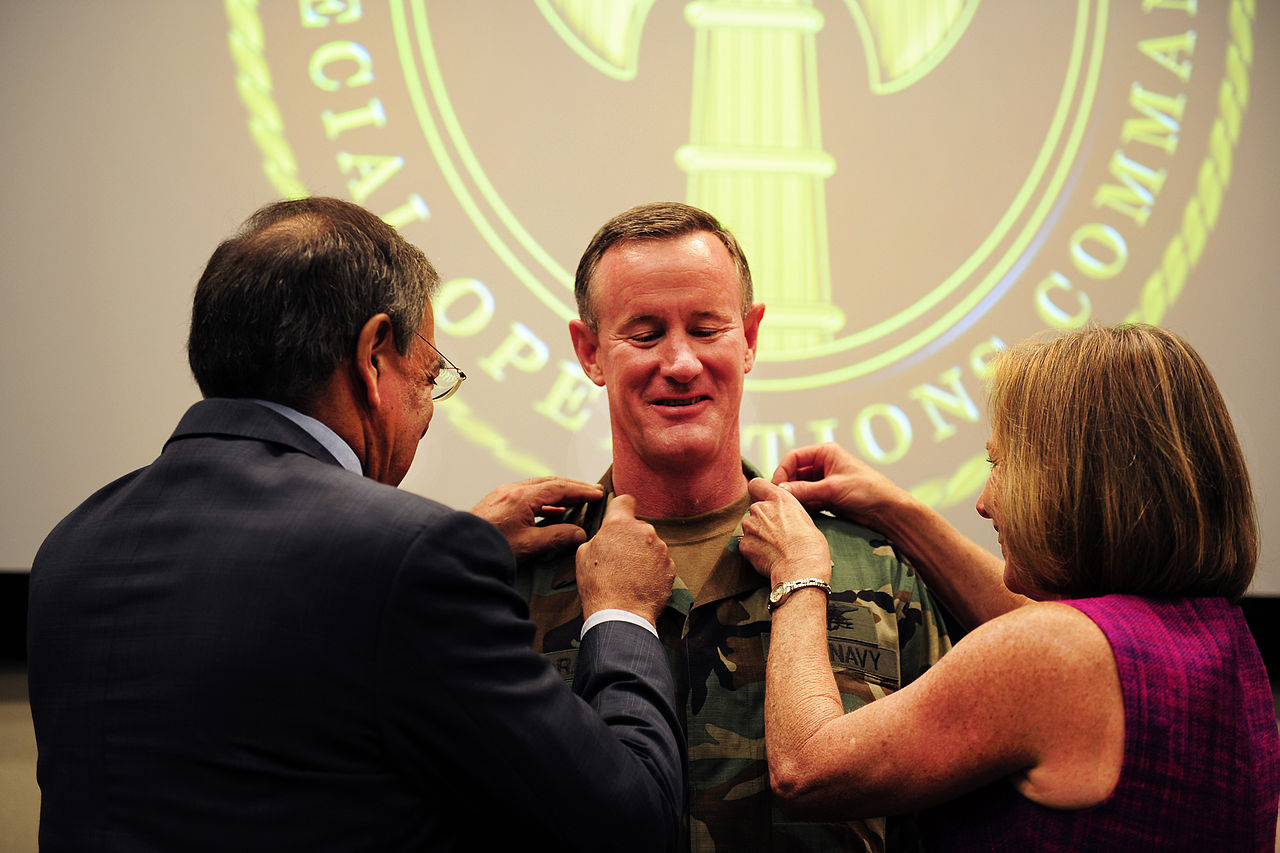
William H. McRaven (born November 6, 1955) is a retired United States Navy officer and former special operations commander who later served in higher education leadership. Trained as a Navy SEAL, he rose to senior joint command positions and became widely known for his role in organizing complex special operations and for translating military leadership lessons into public talks and books.
Image gallery
6 Images



Military career and responsibilities
McRaven graduated from the U.S. Naval Academy and spent most of his career in naval special operations units. He served in command and staff billets across SEAL teams and joint special operations organizations, culminating in leadership of United States Special Operations Command from 2011 to 2014. During his career he planned and oversaw high-profile operations and was recognized as a decorated and influential special operations leader. His service emphasized small-unit tactics, joint planning, and interagency coordination.
Post-military roles and public profile
After retiring from active duty, McRaven became a public speaker and author. A short commencement address he gave — later turned into a TED talk titled "If You Want to Change the World, Start Off by Making Your Bed" — reached a wide audience and led to bestselling books that draw leadership lessons from military experience. From 2015 until 2018 he served as chancellor of The University of Texas System, a role in which he oversaw systemwide academic and administrative matters.
Writings and public influence
McRaven has written several books and essays translating operational leadership into practical guidance for civilians and leaders in other fields. His work emphasizes discipline, accountability, teamwork, and the importance of small daily habits. His short, plainspoken style and high-profile military background helped him reach audiences beyond the military, including students, civic groups, and corporate leaders.
Legacy and distinctions
Known for a straightforward approach to leadership training, McRaven is often cited in discussions about strategic planning, crisis decision-making, and organizational culture. He is widely viewed as a bridge figure who brought attention to the practices of U.S. special operations forces while encouraging broader conversation about leadership and public service.
Further information
- Military service and command history, including roles in special operations and joint commands.
- Popular writings and talks on leadership; see his public addresses and books for applied lessons.
- Academic and administrative service as chancellor and involvement in higher-education issues.
For more on the institutions that shaped his career, see the United States Navy and public records of university leadership.
Author
AlegsaOnline.com William H. McRaven — U.S. Navy SEAL leader and former university chancellor Leandro Alegsa
URL: https://en.alegsaonline.com/art/147864