
Williamsburg, Brooklyn: neighborhood overview and history
Williamsburg is a diverse, waterfront neighborhood in the New York City borough of Brooklyn known for its industrial past, cultural scene, and ongoing changes from gentrification and development.
Williamsburg is a neighborhood in New York City, located in the borough of Brooklyn. Long associated with docks, warehouses and manufacturing, it has evolved into a dense, mixed-use area with active residential, commercial and creative sectors. The neighborhood's character blends older industrial buildings and brownstones with newer apartment developments and public open spaces along the East River.
Image gallery
10 Images
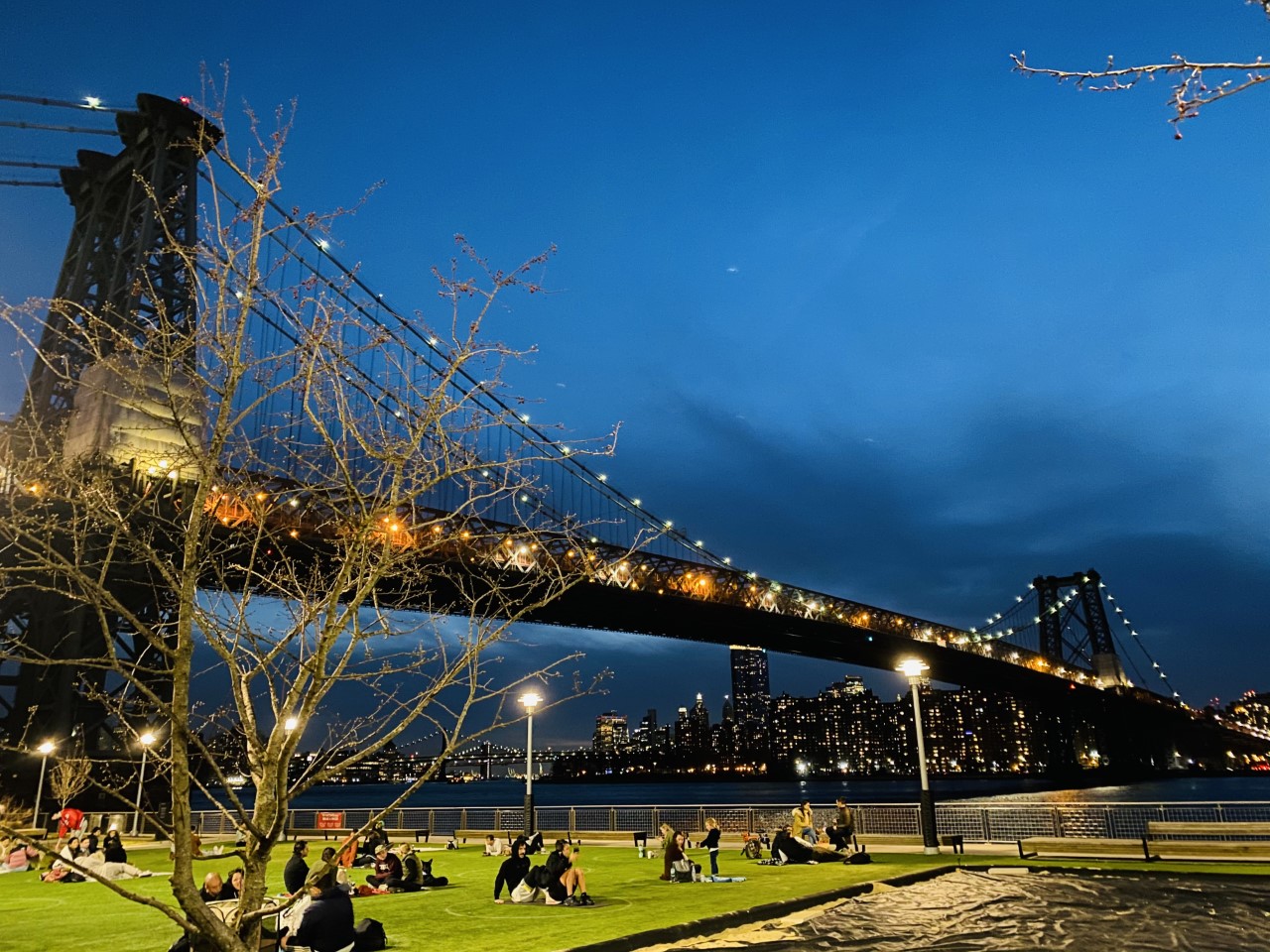


Geography and layout
Williamsburg sits on a peninsula along the East River, facing Manhattan across the water. Streets and blocks contain a mix of low-rise housing, former factories converted to lofts, small shops and restaurants. Distinct subareas are often named by avenues or landmarks; one well-known commercial spine runs along Bedford Avenue, while waterfront parks and piers provide views toward the Manhattan skyline.
History and development
The area developed in the 19th century as an industrial and shipping hub, drawing waves of immigrants and workers. Over the 20th century industrial decline left many buildings vacant or underused. Beginning in the late 20th and early 21st centuries, artists, entrepreneurs and new residents moved in, repurposing factories into galleries, studios and residences. That cultural revival contributed to wider investment, changing land use and a commercial boom.
Culture, economy and community
Williamsburg is known for a lively cultural scene: independent music venues, art spaces, cafes and restaurants. Creative and tech-oriented businesses coexist with long-established communities and institutions. That combination has made the neighborhood a destination for nightlife, shopping and cultural events, while also raising debates about affordability and displacement as property values and rents have increased.
Transportation and landmarks
- Subway and local bus routes connect Williamsburg with Manhattan and other Brooklyn neighborhoods; the L train is a major subway line serving the area.
- Several East River ferry routes and the Williamsburg Bridge offer additional crossings to Manhattan.
- Local green spaces and adaptive-reuse sites—such as parks, former factory complexes and market spaces—serve residents and visitors and are often focal points for community activities.
Today Williamsburg is a neighborhood of contrasts: historic industrial architecture alongside contemporary development, a vibrant arts and nightlife scene next to family-oriented blocks and long-standing cultural communities. Its evolution illustrates wider urban trends in post-industrial cities, including creative reuse, neighborhood branding and ongoing conversations about inclusive growth.
Author
AlegsaOnline.com Williamsburg, Brooklyn: neighborhood overview and history Leandro Alegsa
URL: https://en.alegsaonline.com/art/147840