
Who is a Jew?
Explanation of the question “Who is a Jew?”, covering religious, ethnic, legal and communal criteria, historical development, contemporary disputes and how different communities define Jewish identity.
Who is a Jew? (Hebrew: מיהו יהודי) asks how Jewish identity is defined and who is considered part of the Jewish people. The question spans religious law, family descent, personal identity and state legislation. Different communities, authorities and nation-states may apply distinct standards to answer it, producing practical consequences for marriage, ritual status and citizenship. See broader discussions of identity and the term Jews.
Image gallery
2 Images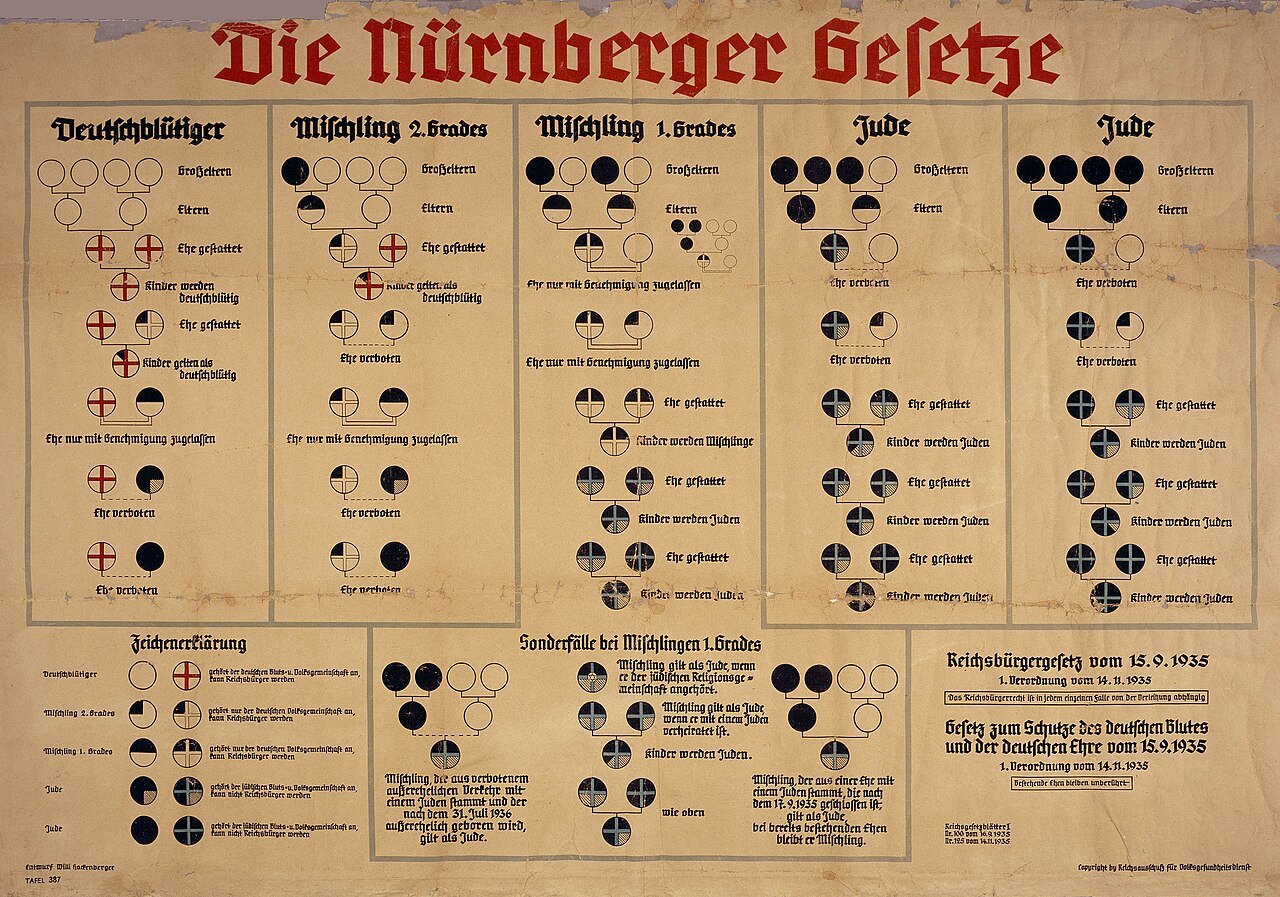

Common criteria used
Three broad categories of criteria are frequently cited by communities and institutions:
- Descent: Traditional Jewish law (halakha) has long recognized descent as a factor in Jewish status.
- Conversion: A formal process of conversion performed according to the standards of a given movement or authority.
- Self and communal recognition: Personal identification with Judaism and acceptance by a community may be decisive in social contexts.
Under rabbinic law, Jewishness has commonly been traced through the mother, while some modern denominations accept patrilineal descent under specific conditions. Conversion requirements vary among Orthodox, Conservative, Reform and other movements; typical elements include instruction, ritual acts and a commitment to Jewish life.
Legal and communal implications
In civil contexts, states and institutions may adopt different tests: for example, immigration or citizenship laws sometimes use a different definition than religious authorities. Within communities, recognition affects who may marry under religious law, who can be buried in communal cemeteries, and who may serve in certain ritual roles.
The debate over who is a Jew has evolved through biblical, rabbinic and modern history and remains contested. Contemporary issues include responses to intermarriage, denominational disagreements about conversion and efforts by some jurisdictions to reconcile civil and religious definitions. Ultimately, answers depend on which authority—religious courts, communities, or states—is asked and the purposes for which the definition is applied.
Author
AlegsaOnline.com Who is a Jew? Leandro Alegsa
URL: https://en.alegsaonline.com/art/147797