
Westervoort: riverside town and municipality in Gelderland, Netherlands
Westervoort is a small Dutch municipality in Gelderland, located where the Rhine and IJssel meet. Home to roughly 15,000 people, it is known for its river landscape, dikes, and close links to nearby Arnhem.
Overview
Westervoort is a town and municipality in the eastern Netherlands, located in the province of Gelderland. With a population of about 15,000 people (around 2021), it is one of the smaller municipalities in the region but plays a distinctive role because of its riverside setting and proximity to larger urban centres.
Image gallery
6 Images



Geography and environment
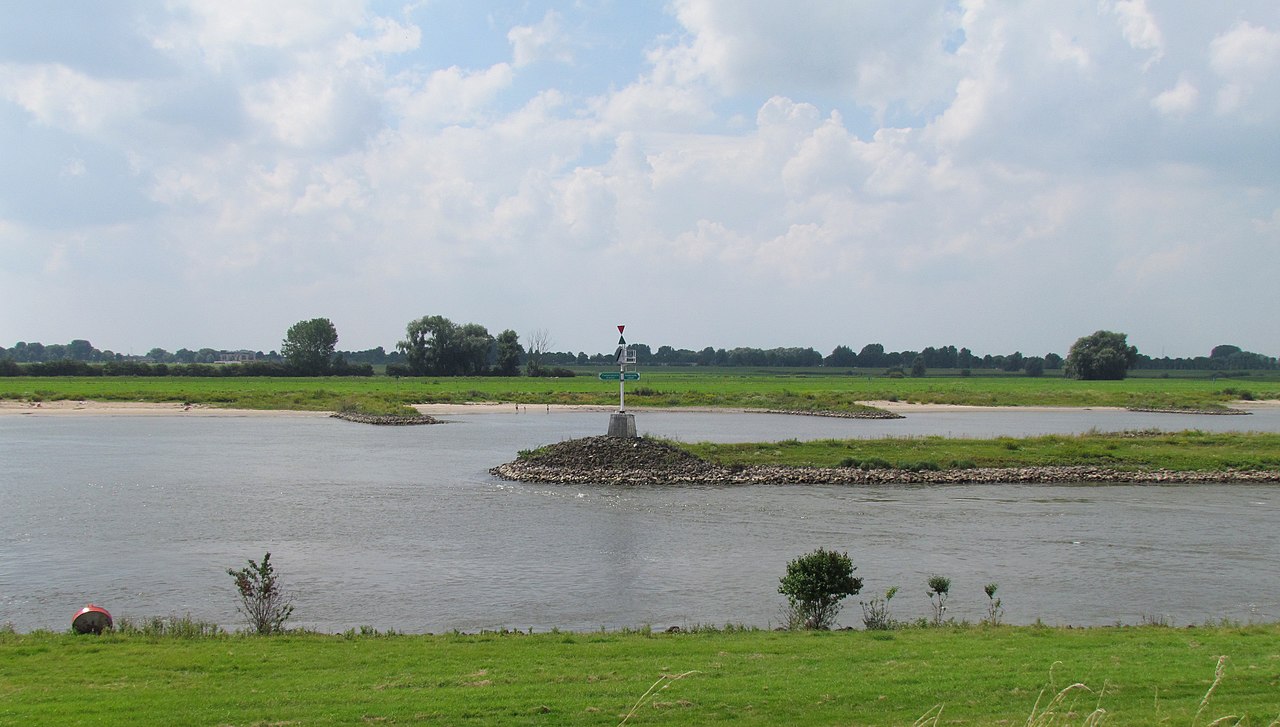
The town lies where the Rhine and the IJssel rivers meet, positioned between the river channels and on the broad floodplains typical of this part of the Netherlands. Low-lying terrain, extensive dikes and managed wetlands shape the local landscape. These features create opportunities for riverside recreation, cycling and birdwatching, while flood defences are an important part of local infrastructure.
History and development
Westervoort developed historically as a riverside settlement tied to navigation, ferries and trade along the Rhine and IJssel. Its location at a confluence made it strategically useful for transport and local commerce. Over time the town evolved into a residential and service centre while keeping connections with agricultural land and river-related industries.
Transport, economy and community
Despite its modest size, Westervoort benefits from strong transport links to nearby Arnhem and other towns. Road and rail connections make it a practical commuter town for people working in the Arnhem–Nijmegen area. The local economy includes small businesses, services, and river-oriented activities; community life is supported by sports clubs, cultural associations and public amenities.
Notable facts and character
- Positioned at the meeting point of two major rivers, giving it distinctive river landscapes and flood-management needs.
- Functions as a quiet residential town closely linked to Arnhem’s urban region.
- Offers recreational opportunities along dikes and riverbanks, popular with cyclists and walkers.
Westervoort combines a close relationship to Dutch river systems with a small-community atmosphere, making it notable for both its natural setting and its practical connections to larger population centres.
Author
AlegsaOnline.com Westervoort: riverside town and municipality in Gelderland, Netherlands Leandro Alegsa
URL: https://en.alegsaonline.com/art/147637