
Washington County, Virginia
A county in southwestern Virginia centered on Abingdon; established in the 18th century, with rolling Appalachian valleys, historical sites, and a mixed economy of agriculture, manufacturing and tourism.
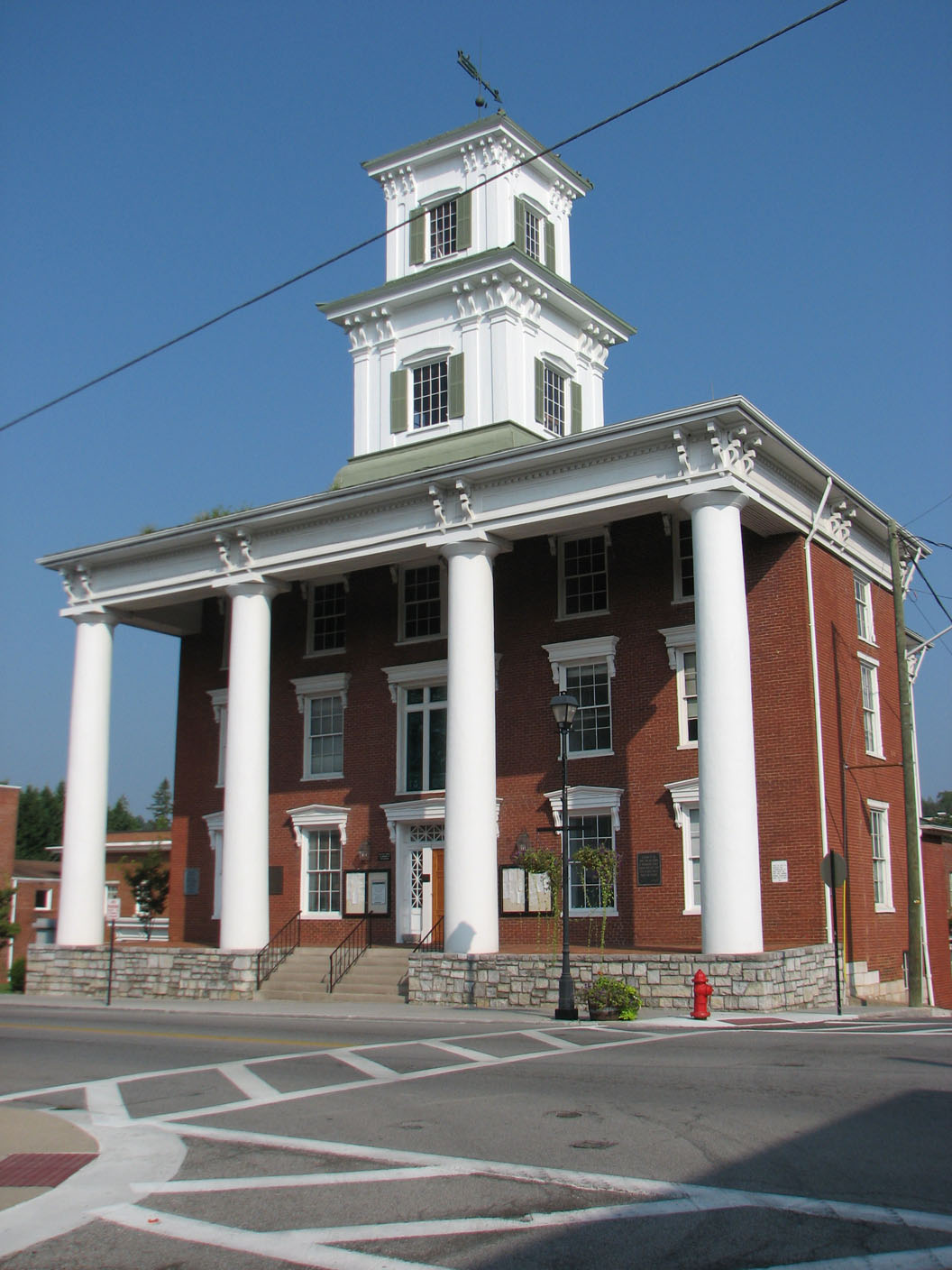
Washington County lies in the southwestern corner of the state of Virginia. The county contains a mix of small towns, farmland and ridge-and-valley landscape typical of southwestern Virginia. According to the 2010 census, the county had 54,876 residents. The traditional administrative center and largest town is the county seat, Abingdon, which anchors much of the county’s cultural and civic life.
Image gallery
4 Images


Geography and character
Washington County occupies a largely rural area of the Appalachian Ridge-and-Valley province. Terrain alternates between narrow fertile valleys and forested ridges; these physical features shape land use, transportation corridors and settlement patterns. Agriculture remains visible in valley floors while hills support timber and outdoor recreation.
History and development
The county was created in the 18th century and named for George Washington. Its development followed the general westward settlement of colonial Virginia, with small towns growing around crossroads, mills and later rail connections. Abingdon developed as a local commercial and cultural hub with historic buildings and institutions that reflect the county’s early and continuing role in the region.
Economy, culture and attractions
Washington County’s economy blends farming, light manufacturing, services and tourism. Cultural amenities clustered in Abingdon serve both residents and visitors: historic inns, theaters and rail-trail access are notable draws. Local festivals, historic preservation efforts and outdoor recreation on trails and waterways contribute to the county’s identity.
Notable facts and distinctions
- Abingdon functions as the county seat and cultural center, hosting theaters and historic hotels.
- The county is part of a broader Appalachian region with distinctive music, crafts and community traditions.
- Its location near the Tennessee border situates the county within a multi-state economic and travel corridor.
For visitors and residents alike, Washington County combines rural landscapes with a strong sense of local history and active cultural life centered on its towns. Further information about administration, services and local events is available from county sources and regional heritage organizations.
Author
AlegsaOnline.com Washington County, Virginia Leandro Alegsa
URL: https://en.alegsaonline.com/art/147509