
Warren E. Burger
Fifteenth Chief Justice of the United States (1969–1986). A conservative jurist whose court issued landmark rulings on abortion, executive power, capital punishment, church–state relations and school desegregation.
Overview
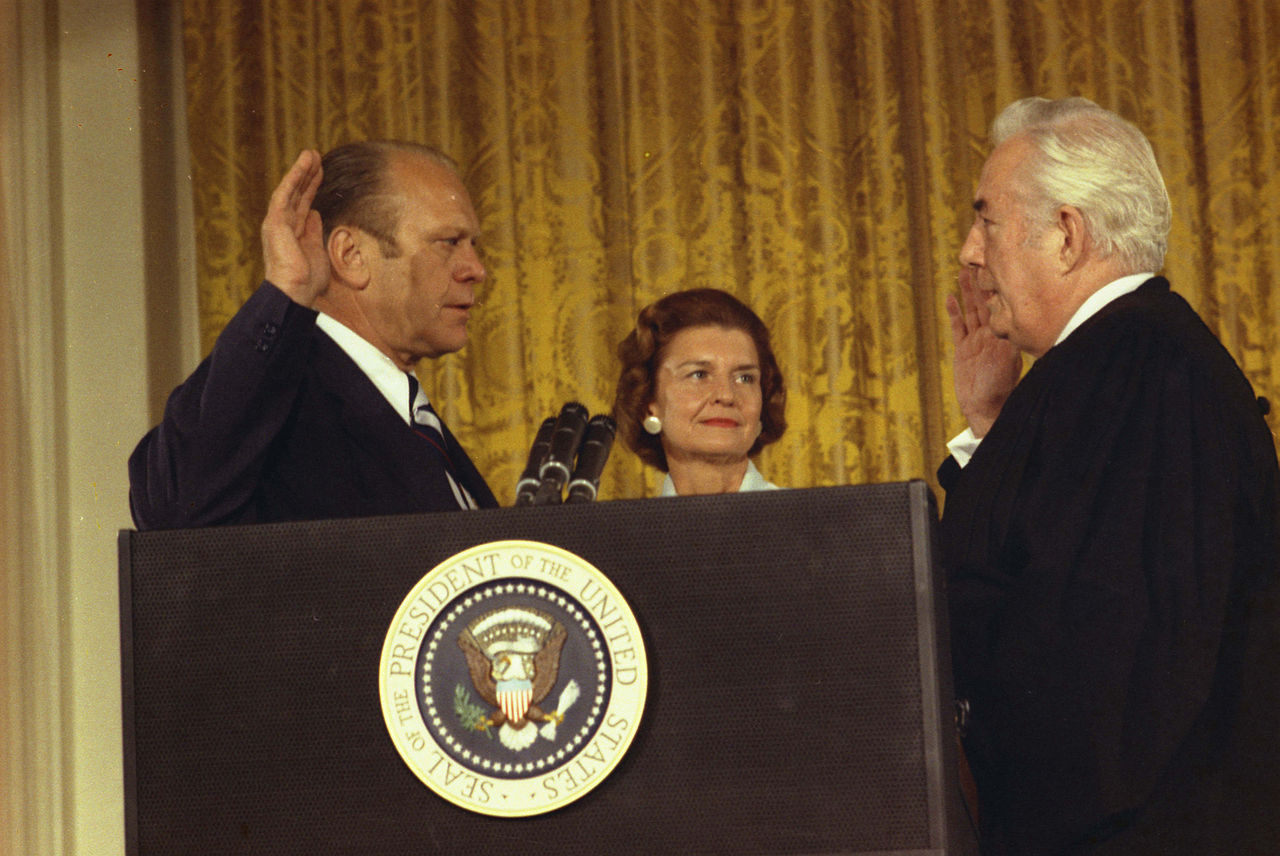
Warren Earl Burger (1907–1995) served as the fifteenth Chief Justice of the United States from 1969 until his retirement in 1986. Nominated by President Richard Nixon, Burger led the Court through a period of intense legal and social change. Although personally identified with conservative and strict constructionist views, the Court during his tenure produced several transformative and sometimes unexpected decisions in areas such as reproductive rights, criminal procedure and the separation of powers. The institution he headed is often referred to simply as the Supreme Court.
Image gallery
7 Images



Early life and career
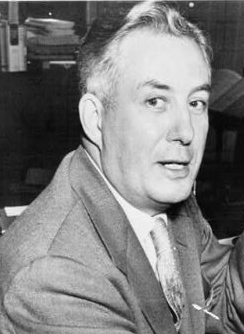
Burger was born in Saint Paul, Minnesota, and raised in the region. He pursued legal studies at institutions in Minnesota, including the University of Minnesota and the St. Paul College of Law (now William Mitchell College of Law). After completing his education he practiced law, participated in public service in Minnesota, and gained a reputation as a capable administrator and litigator before rising to national prominence. He maintained close ties to his home state throughout his life; his Minnesota origins are often noted in biographical accounts of his career.
Chief Justice: major decisions and the Burger Court
As Chief Justice, Burger presided over a Court that decided several landmark cases that shaped modern American law. Notable topics and watershed rulings from the era include:
- Reproductive rights: the Court issued a defining opinion on abortion access in the early 1970s that continues to influence constitutional debate.
- Executive power: the Court curtailed claims of absolute executive privilege in a high-profile separation-of-powers dispute that affirmed judicial review of presidential actions.
- Capital punishment: decisions during the Burger years tested and reconfigured the constitutionality and procedures governing the death penalty.
- Church and state: the Court articulated tests and limits for government aid to religious institutions, affecting Establishment Clause jurisprudence.
- School desegregation: the Court refined the scope of remedies and the reach of federal authority in addressing racial segregation in public schools.
Judicial philosophy and court administration
Burger was often described as a proponent of judicial restraint and a strict constructionist who preferred a narrow reading of the Constitution. He emphasized efficient court administration and the institutional role of the judiciary. Under his leadership the Court balanced competing coalitions of justices, producing opinions that sometimes departed from his personal preferences. He also worked to modernize court procedures and to improve the operation of the federal judiciary as an institution.
Legacy and later life
Burger retired from the bench in 1986 and was succeeded by William Rehnquist. His legacy is complex: he is remembered both for his conservative outlook and for presiding over a Court that issued influential rulings across the ideological spectrum. Born and raised in Minnesota, he maintained strong connections to his home state and to legal education there; references to his origins can be found in regional archives and biographies referencing Saint Paul and his alma mater, the University of Minnesota and related law schools.
Death and memorial
Warren E. Burger died in Washington, D.C., in 1995. Accounts of his death note his long public service and the national debates that marked his tenure on the Court; contemporary obituaries recorded he died in Washington, D.C.. He was laid to rest at Arlington National Cemetery, a fact recorded in public memorial records and referenced in many biographical summaries (Arlington National Cemetery).
For summaries of his judicial opinions and a more detailed timeline of his life and decisions, consult comprehensive legal histories and collections of Court opinions and archives.
Author
AlegsaOnline.com Warren E. Burger Leandro Alegsa
URL: https://en.alegsaonline.com/art/147461