
W. Michael Blumenthal
German-born American public official and businessman who served as U.S. Secretary of the Treasury from 1977 to 1979 and later worked in finance, philanthropy, and cultural institutions.
Overview
Werner Michael Blumenthal (born January 3, 1926), commonly known as W. Michael Blumenthal, is a German-born American public official and business leader. He served as the United States Secretary of the Treasury from 1977 to 1979 in the administration of President Jimmy Carter. His life and career are frequently noted for the arc from refugee origins to holding a high federal office.
Image gallery
4 Images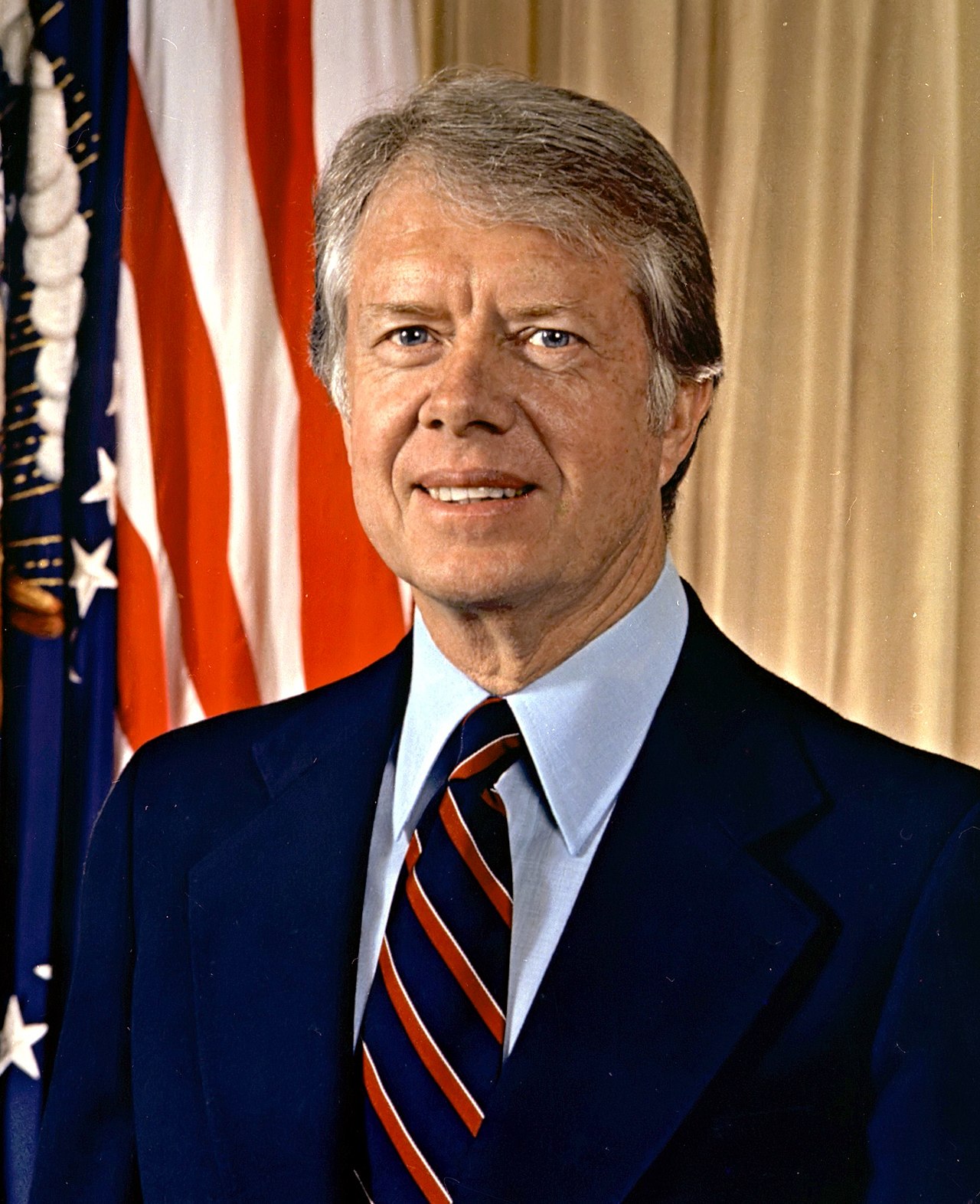


Early life and career
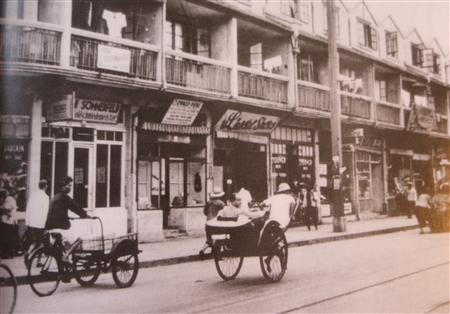
Born in Germany to a Jewish family in 1926, Blumenthal and his relatives escaped Nazi persecution and emigrated to the United States where he became a naturalized citizen. Before joining the Carter administration he built a long career in finance and industry, working in banking, corporate management and international business. His private-sector experience prepared him for the economic and policy challenges he later faced in government.
Tenure as Treasury Secretary
As Treasury Secretary, Blumenthal took part in federal efforts to address high inflation, energy constraints, and global economic tensions that marked the late 1970s. He worked with Federal Reserve officials, legislators and international partners on fiscal and monetary issues, and represented U.S. financial interests abroad. His term occurred during a period of slow growth and rising prices that required both short-term responses and longer-range policy thinking.
Later work and legacy
After leaving government, Blumenthal returned to the private sector and remained active in public affairs, philanthropy and cultural institutions. He has been recognized as an example of immigrant contribution to public life, and his career is often cited when discussing the role of refugees and immigrants in American civic and economic leadership.
Notable aspects
- Refugee background and rise to a U.S. cabinet position.
- Experience bridging private-sector finance and public economic policy.
- Service during an economically turbulent period for the United States.
- Ongoing involvement in civic and cultural organizations after government service.
For further basic reference, he is sometimes described simply as a politician, though his career spans business, government and nonprofit sectors. His tenure offers a case study in how professional experience outside government can shape economic policymaking at the national level.
Author
AlegsaOnline.com W. Michael Blumenthal Leandro Alegsa
URL: https://en.alegsaonline.com/art/147357