
W. (2008 film)
2008 biographical drama directed by Oliver Stone about the life and presidency of George W. Bush, starring Josh Brolin and an ensemble cast; released October 17, 2008 to mixed and often negative reviews.
W. is a 2008 American biographical drama film directed by Oliver Stone. It examines the personal background, political rise and presidency of George W. Bush through dramatized scenes that mix private moments with public events. The film centers on Bush's character and decision-making and uses a conventional narrative rather than a documentary approach.
Image gallery
4 Images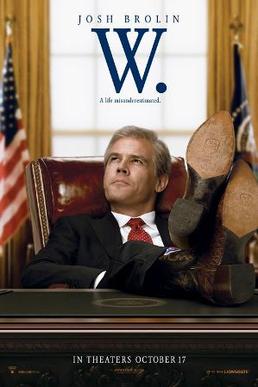


Cast and characters
The movie features a large ensemble ensemble cast led by Josh Brolin as the president. Supporting performances include Ellen Burstyn, Elizabeth Banks, James Cromwell, Thandie Newton, Jeffrey Wright, Scott Glenn, and Richard Dreyfuss. These portrayals cover family relationships, political allies and opponents, and key advisers who shaped the administration's policies.
Style and production
Oliver Stone is known for politically charged films and W. follows that pattern by dramatizing recent history with interpretive license. The film blends reconstructed private conversations with parallel scenes of public crises, aiming to explore motivations rather than provide a strictly factual chronicle. Production emphasized actor-driven character work and costume and makeup that made some actors closely resemble their real-life counterparts.
Release and reception
W. premiered in October 2008 and opened to the public on October 17, 2008. Reviews were generally mixed to negative: critics often criticized uneven tone and historical shortcuts, though several reviewers singled out the lead performance for its energy and transformation. The timing of the release, coming in an election year, provoked discussion about the film's perspective and the ethics of dramatizing current politics.
Notable aspects and legacy
W. stands out for tackling a recent and contentious presidency while it was still fresh in public memory, a choice that generated debate about interpretation versus accuracy. It functions both as a character study and as an example of contemporary political filmmaking. For viewers interested in cinematic portrayals of modern American politics, the film is frequently cited as a notable, if controversial, entry.
Further reading
- Overview of the film's approach and themes: biographical drama
- Director background: Oliver Stone
- Principal subject: George W. Bush
- Main cast profiles: Josh Brolin, Ellen Burstyn, Elizabeth Banks
- Supporting actors and context: James Cromwell, Thandie Newton, Jeffrey Wright, Scott Glenn, Richard Dreyfuss
Author
AlegsaOnline.com W. (2008 film) Leandro Alegsa
URL: https://en.alegsaonline.com/art/147352