
Vasily Zvyagintsev (Russian science fiction author)
Biography and overview of Vasily D. Zvyagintsev (1944–2016), creator of the World War II–set series Odysseus Leaves Ithaca, his themes, reception and awards.
Overview
Vasily Dmitrievich Zvyagintsev (Russian: Василий Дмитриевич Звягинцев; 21 November 1944 – 30 April 2016) was a Russian author best known for a long speculative fiction series set against the backdrop of World War II. Born in Grozny in the Soviet Union and later living in Stavropol, he wrote primarily in Russian and gained recognition among readers and critics for an ambitious multivolume cycle titled Odysseus Leaves Ithaca.
Image gallery
1 Image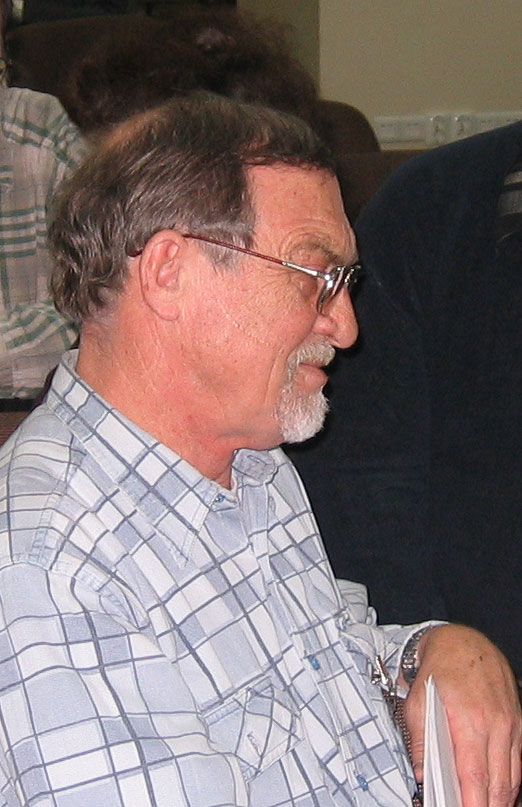
Major work: Odysseus Leaves Ithaca
The Odysseus Leaves Ithaca cycle is Zvyagintsev's principal contribution to Russian science fiction. Presented as a continuous series rather than isolated novels, it extends across more than ten volumes and treats wartime themes through a speculative lens. Critics praised the series for its scope and literary ambition, and it became his signature work. The title and wartime setting draw on classical and historical resonances while remaining rooted in twentieth‑century conflict.
Style, themes and significance
Zvyagintsev's fiction is noted for combining detailed historical milieu with speculative imagination. His narratives often engage with ethical dilemmas posed by war, questions of leadership and fate, and the human cost of large political struggles. Readers and commentators have highlighted the author's attention to period detail and his effort to marry narrative drive with philosophical reflection, which helped distinguish his cycle within Russian speculative literature.
Awards and reception
Over the course of his career Zvyagintsev received several honors that reflected his standing in the Russian science fiction community. Among these were the Aelita Prize, the Interpesscon award, the A. R. Belyaev prize, and a special international recognition at Eurocon. His work has been discussed in genre histories and at fan and professional gatherings, and it remains of interest to readers exploring Soviet and post‑Soviet speculative fiction.
Life and legacy
Zvyagintsev died on 30 April 2016 in Stavropol; reports cite a heart attack. He left behind a substantial series that continues to attract readers curious about blends of history and imagination. Academic and fan writing occasionally revisits his cycle to examine how Russian authors use speculative devices to interpret twentieth‑century history.
Further reading
Author
AlegsaOnline.com Vasily Zvyagintsev (Russian science fiction author) Leandro Alegsa
URL: https://en.alegsaonline.com/art/147217