
Tubbergen, Overijssel (municipality and town)
Tubbergen is a rural municipality and town in Overijssel, Netherlands, in the Twente region near the German border. It is known for its village communities, agricultural landscape and local traditions.
Overview
Tubbergen is a municipality and a town in the Dutch province of Overijssel. Located in the eastern part of the Netherlands, it lies within the cultural region of Twente and shares a stretch of border with Germany. The municipality is primarily rural and had a population of roughly 21,000 people in 2021.
Image gallery
9 Images


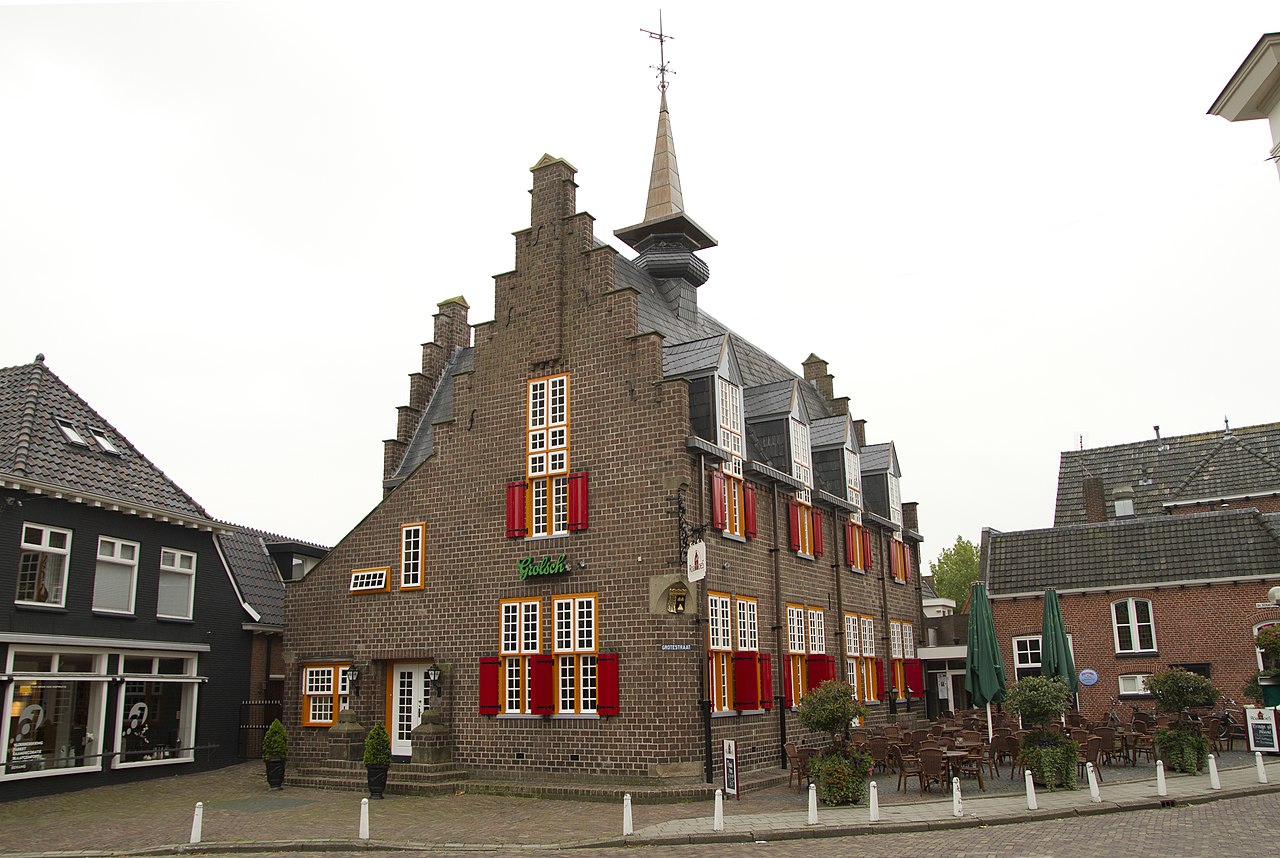

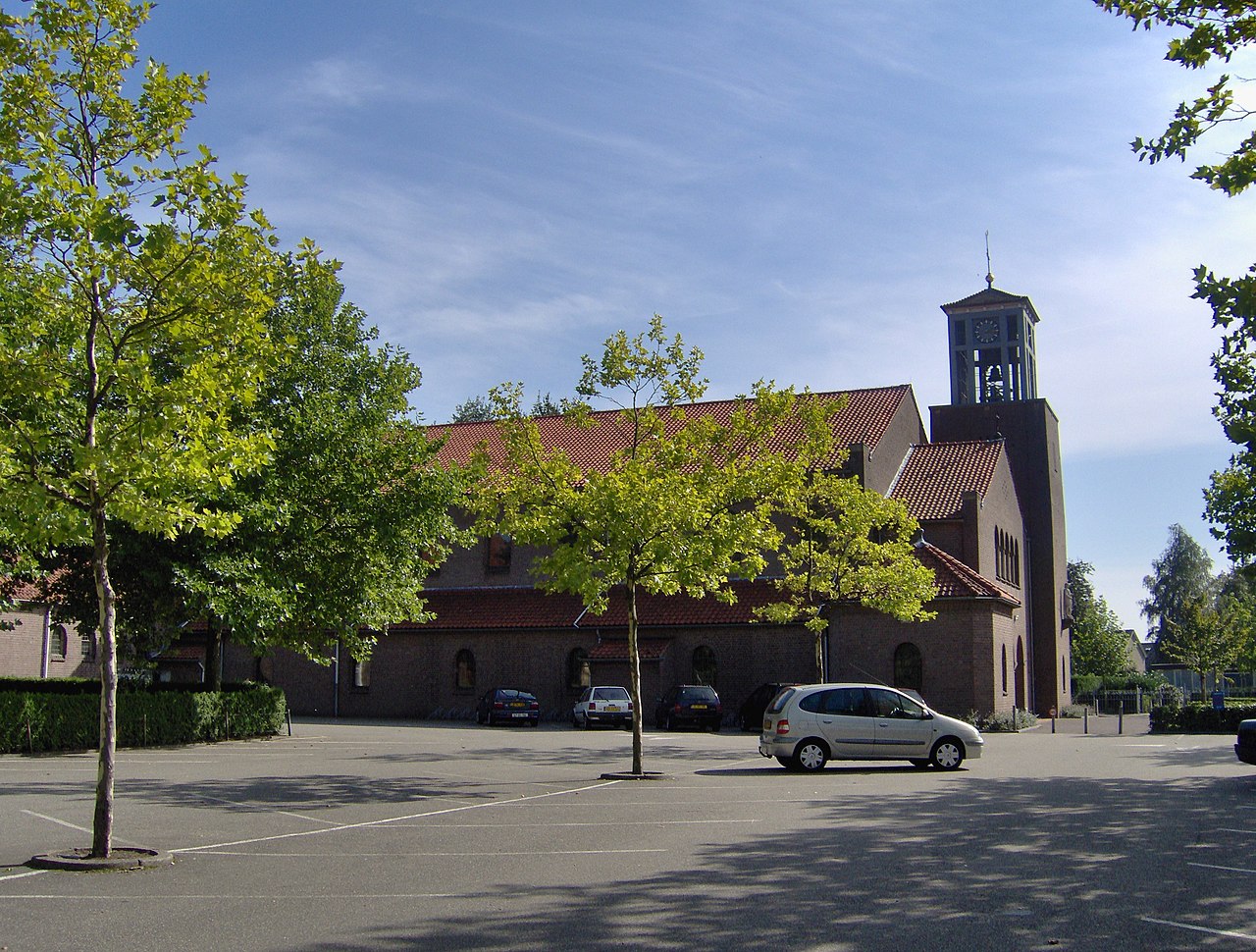
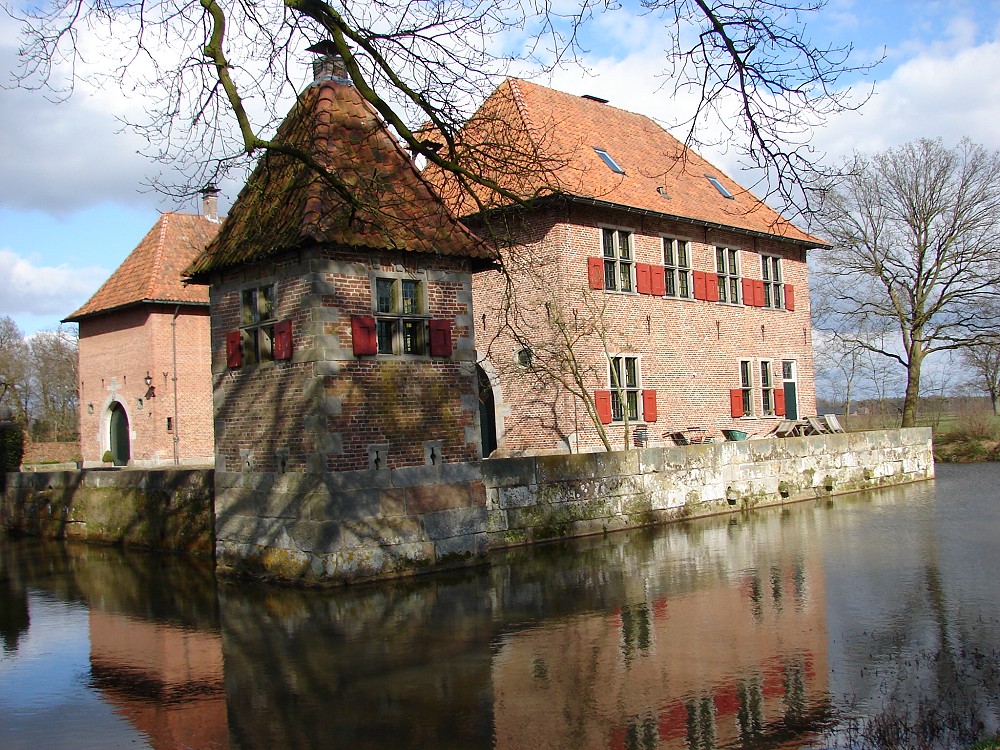

Geography and settlement
The area around Tubbergen consists of small fields, hedgerows, patches of woodland and compact villages. The town of Tubbergen functions as the municipal centre, while the wider municipality comprises numerous villages and hamlets that form close-knit local communities. Its landscape supports farming, small-scale enterprises and outdoor recreation such as cycling and walking.
History and development
Tubbergen's origins trace back to medieval settlement patterns in Twente, where parishes and market towns grew around churches and crossroads. Over centuries the locality developed as an agricultural and craft-oriented area. Like much of eastern Netherlands, it experienced gradual modernization in the 19th and 20th centuries while retaining many traditional village structures.
Culture, language and economy
Local life in Tubbergen reflects Twente traditions: regional dialects (Low Saxon varieties), community festivals and parish activities remain important. The economy is mixed but leans toward agriculture, horticulture and small businesses; commuting to larger towns for work is common. Cultural associations, sports clubs and annual events help maintain social cohesion.
Notable facts and visitor information
- The municipality is valued for its scenic rural character and opportunities for outdoor recreation.
- Its border position fosters cross-border contacts with Germany, including commerce and tourism.
- Visitors can explore village centres, local churches and countryside routes; municipal services support education, transport and community events.
Tubbergen exemplifies a Dutch rural municipality that balances conservation of local identity with modern amenities. For further administrative or travel details consult regional resources and local government publications.
Author
AlegsaOnline.com Tubbergen, Overijssel (municipality and town) Leandro Alegsa
URL: https://en.alegsaonline.com/art/146969
Sources
- tubbergen.nl : "Portefeuilleverdeling"
- opendata.cbs.nl : "Kerncijfers wijken en buurten 2020"
- ahn.nl : "Postcodetool for 7651CV"
- statline.cbs.nl : "Bevolkingsontwikkeling; regio per maand"