
Trackless train: overview, design, uses and distinctions
A trackless train (also called a land or road train) is a road vehicle that resembles a small train and pulls passenger carriages for short-distance transport, sightseeing, or entertainment.

Overview: A trackless train is a road-going vehicle that imitates the appearance and formation of a traditional railway train but runs on ordinary streets or paths rather than on rails. It typically consists of a powered tractor unit and a set of linked passenger cars. The powered unit is often built on a bus or truck chassis and styled to look like a locomotive so that the ensemble resembles a miniature train.
Image gallery
7 Images


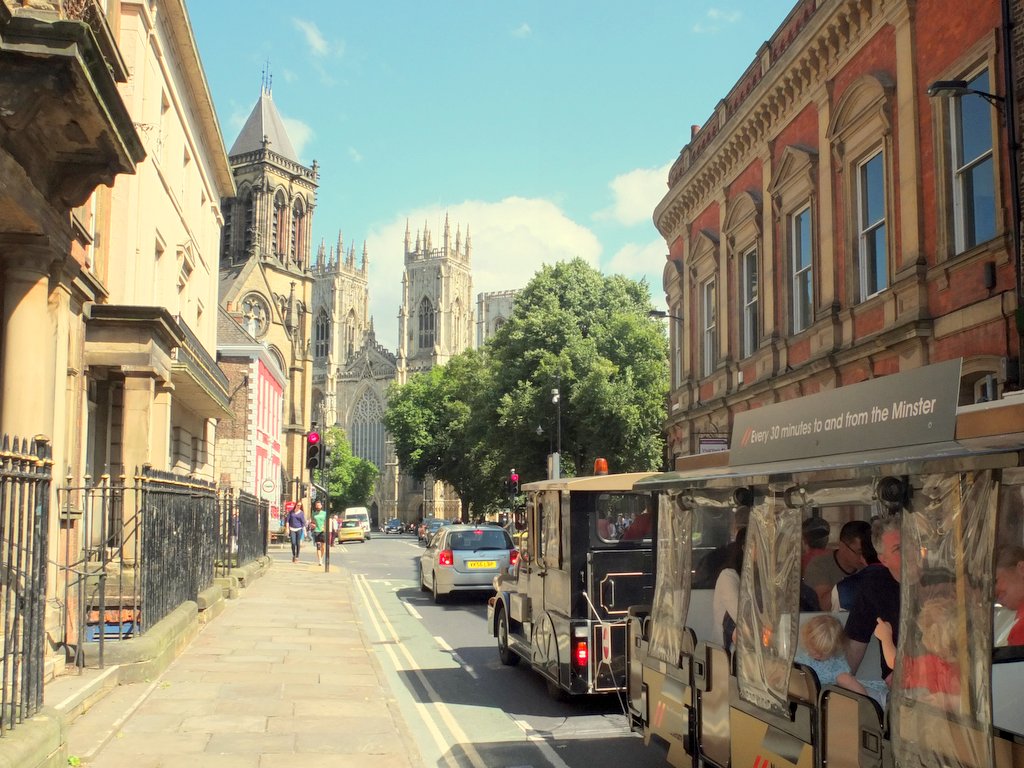

Design and components
Common elements include a front motorized unit, one or more articulated trailers, flexible couplings, and basic passenger amenities such as bench seating, steps, and handrails. Propulsion systems vary: many are diesel-powered, some use gasoline engines, and an increasing number are electric for quieter, cleaner operation. Accessibility features such as low-floor cars or ramps may be fitted where needed.
Typical uses
- Sightseeing tours in historic towns, parks, and coastal resorts.
- Shuttle services at large events, festivals, theme parks, and transit hubs.
- Promotional rides, private hire for celebrations, and occasional industrial transport on large campuses.
Operators configure the number and size of the carriages according to passenger demand and local regulations; typical speeds are low to moderate for safety and comfort.
History and development
The idea of running connected passenger coaches without rails dates from the 20th century as motor vehicles became more capable and public attractions sought visually appealing transport. Over time styling evolved from simple wagons to ornate locomotive replicas, and technical changes introduced electric drivetrains, improved suspension, and modern safety equipment.
Distinctions, safety and regulation
Trackless trains differ from trams and light rail because they are not guided by rails and are subject to standard road-vehicle rules. They also contrast with heavy "road trains" used in freight haulage in some countries. Safety measures typically include speed limits, lights, audible warnings, seatbelts where required, and driver training. Municipal authorities usually regulate their operation on public roads, specifying licensing, insurance and route permissions.
As a blend of novelty and practical short-haul transport, trackless trains remain popular for tourism and local shuttle services, combining approachable design with flexible routing and relatively low infrastructure needs.
Author
AlegsaOnline.com Trackless train: overview, design, uses and distinctions Leandro Alegsa
URL: https://en.alegsaonline.com/art/146913