
Tom Horn: Frontier Scout, Range Detective, and Controversial Gunman
Tom Horn (1860–1903) was an American frontier scout, cowboy, and range detective accused of numerous killings and convicted in the disputed murder of Willie Nickell; his case remains debated in Western history.
Overview
Thomas "Tom" Horn Jr. (1860–1903) was a figure of the American frontier best known as a scout, range detective, and reputed hired gunman. Over several decades he served in multiple frontier roles, including work as a scout, private detective, cowboy and occasional soldier. Histories of Horn mix documented employment, contemporary reports, and later legend; some accounts attribute as many as seventeen killings to him as a hired gunman, a figure that scholars treat with caution.
Image gallery
3 Images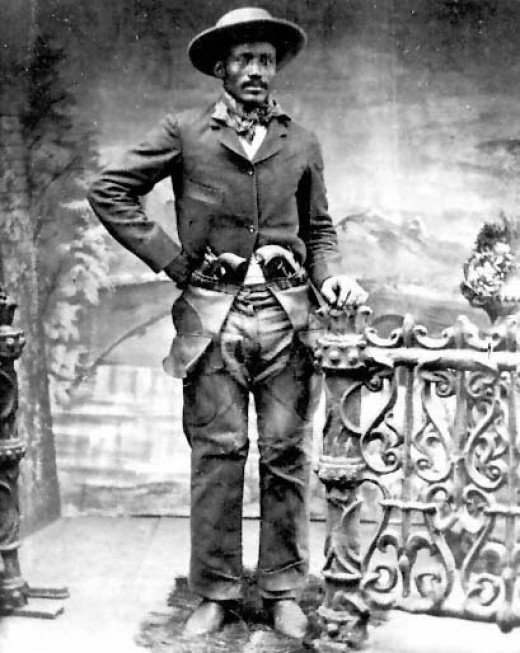


Early life and skills
Horn left his Midwestern home as a young man to seek work in the West. He acquired skills prized on the plains: tracking, marksmanship, and knowledge of terrain and frontier methods of pursuing suspects. These abilities brought him employment in varied capacities, from guiding patrols and prospectors to hunting rustlers for livestock interests.
Roles and reputation
Across the 1880s and 1890s Horn developed a reputation for quiet professionalism and a willingness to use deadly force when hired. Typical roles included:
- Scout — leading parties through unfamiliar country and locating fugitives (scouting).
- Detective — investigating stock theft and working for ranching clients (detective work).
- Cowboy — seasonal livestock work and cattle operations (cowboy life).
- Soldier — occasional cooperation with military units or participation in armed operations (soldier role).
Range conflicts and alleged killings
The late nineteenth-century West experienced frequent disputes over grazing land, cattle theft, and law enforcement. Horn was frequently employed by stockmen and other private interests during these conflicts. Contemporaries and later writers linked him to multiple killings, sometimes describing him as a hired executioner who tracked and killed suspected rustlers and outlaws. Modern researchers note that some accusations rested on rumor or secondhand reports and that numbers and circumstances remain uncertain.
Arrest, trial, and execution
Horn's most famous criminal case involved the death of 14‑year‑old Willie Nickell near Iron Mountain, Wyoming. Arrested and charged in that killing, Horn was tried and convicted in a highly publicized proceeding often called the Iron Mountain case. The conviction relied in part on circumstantial evidence and testimony that critics later described as inconsistent. He was sentenced to death and executed by hanging in 1903.
Evidence and controversy
Debate about Horn's guilt has focused on the quality of the evidence presented at trial. Supporters pointed to an alleged confession and eyewitness statements, while opponents emphasized the circumstantial nature of much testimony and disputed documents. Historians and legal scholars continue to analyze the case, noting how frontier tensions, private interests, and shifting standards of law shaped outcomes.
Legacy and cultural depictions
Tom Horn's life has been retold in biographies, popular histories, and films. Writers and filmmakers have used his story to explore themes of vigilantism, the influence of private power in frontier justice, and the transition from open-range violence to ordered civil law. His image—preserved in photographs and accounts—remains a focal point for discussions of violence and authority in the closing years of the American West.
Historical assessment
Scholars approach Horn's biography cautiously: some emphasize his skills and documented employment, others stress the uncertainties surrounding many alleged killings and the contested nature of his conviction. The Tom Horn story illustrates broader questions about evidence, memory, and mythmaking in the history of the American frontier, and it continues to invite reexamination by historians, legal analysts, and writers.
Author
AlegsaOnline.com Tom Horn: Frontier Scout, Range Detective, and Controversial Gunman Leandro Alegsa
URL: https://en.alegsaonline.com/art/146852