
Tibetan Mastiff: ancient livestock guardian of the Tibetan Plateau
Large, long-coated guardian dog originating on the Tibetan Plateau. Known for independence, protective instincts, heavy double coat and longstanding role with nomadic herders and monasteries.
Overview
The Tibetan Mastiff is a very large, heavy-boned dog breed that developed among the nomadic peoples and monasteries of the Tibetan Plateau. Bred primarily as a livestock and property guardian, it is valued for its independence, strong protective instincts and ability to withstand cold, high-altitude climates. For an outline of modern breed standards and profiles, see the breed profile.
Image gallery
10 Images



Physical characteristics
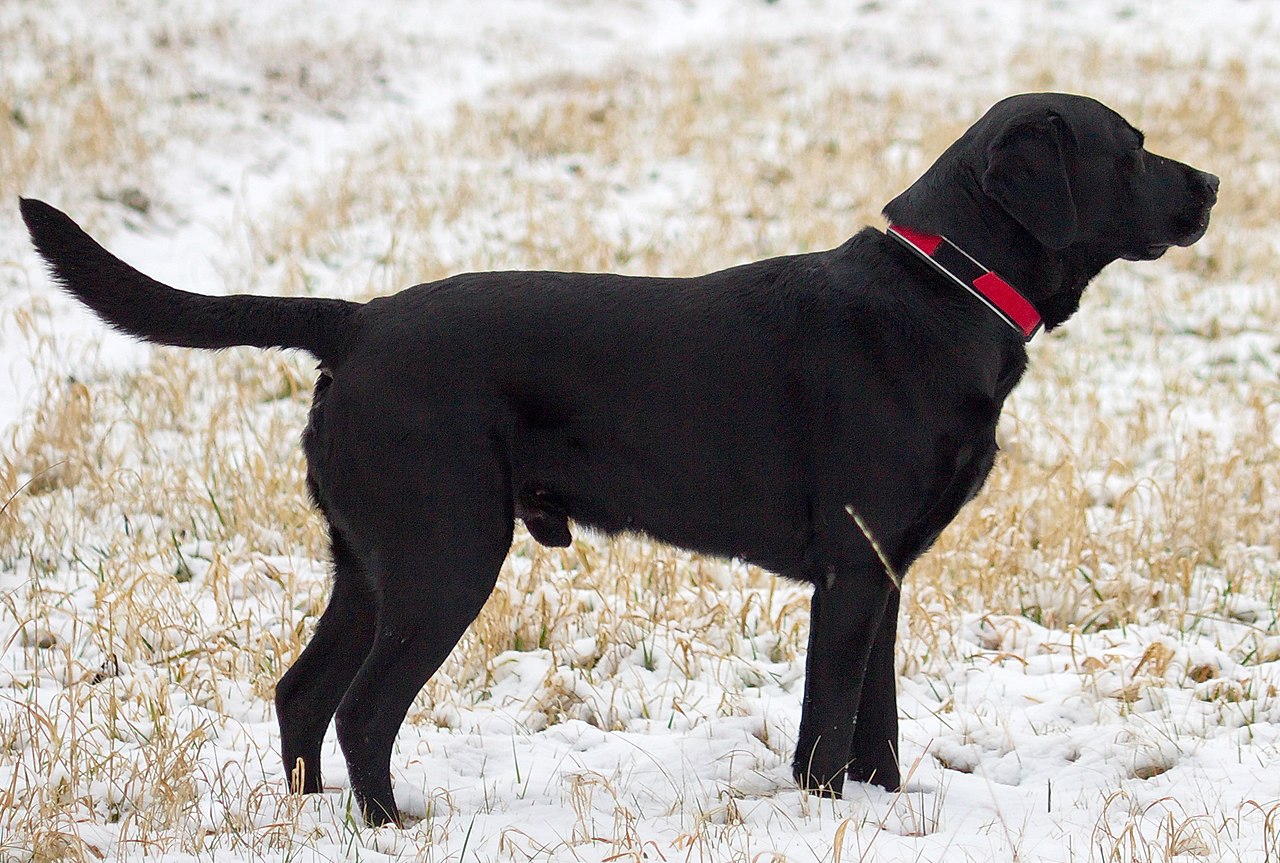
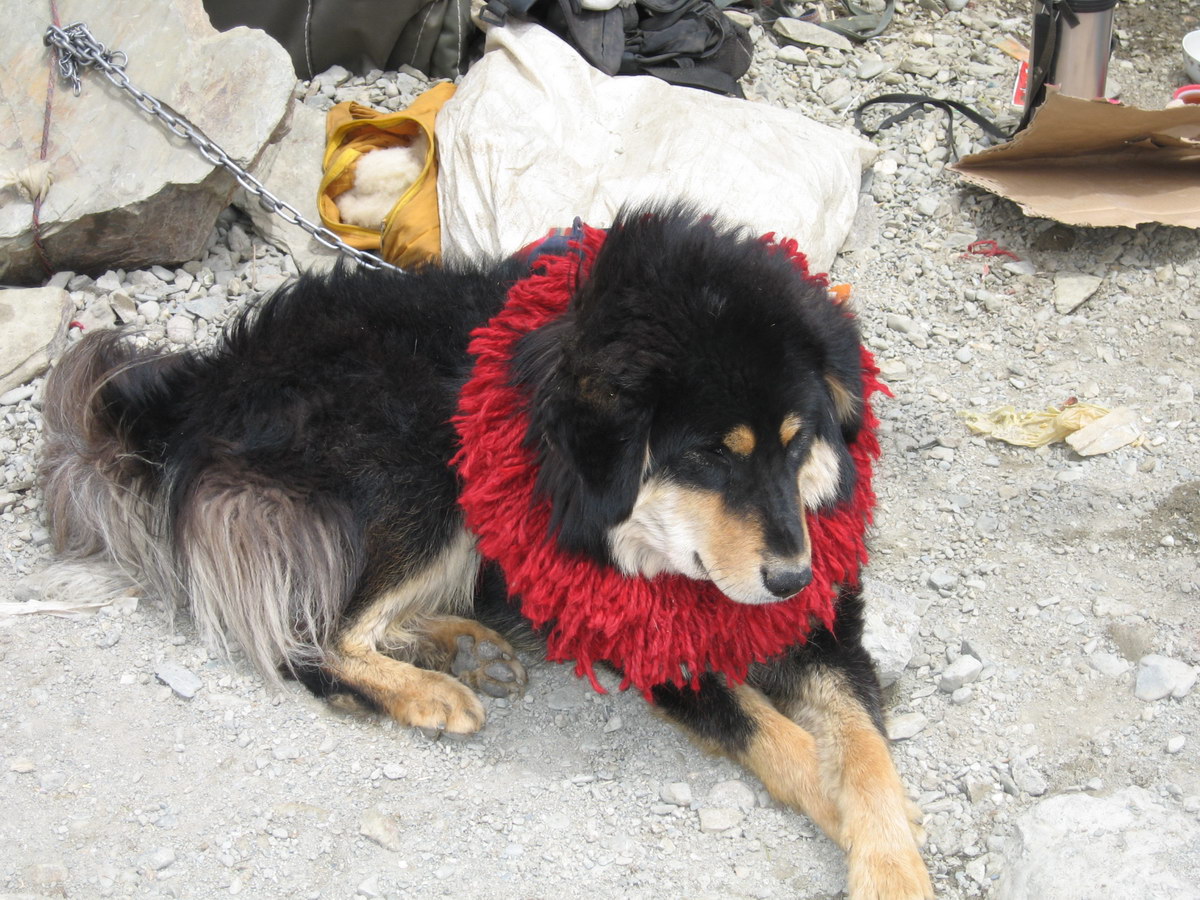
These dogs have a dense double coat with a woolly undercoat and a coarse outer coat that can form a pronounced mane, especially in males. Colors commonly include black, brown, gold, and combinations with tan or white markings. The Tibetan Mastiff is notable for a broad head, deep chest, strong limbs and a tail that often curls over the back.
- Coat: long, weather-resistant double coat requiring regular grooming
- Build: large, powerful, with a protective ruff
- Appearance: alert expression, pendant ears, dark eyes
Temperament and behavior
Tibetan Mastiffs are independent thinkers and can be reserved with strangers. They are naturally protective of family and flock and may be aloof rather than demonstrative. Early socialization and consistent training are important to channel guarding behavior and prevent problem aggression. With proper introduction they can be loyal, calm household companions but are not typically suited to novice owners.
Care, uses and suitability
Historically employed to guard herds, homes and monasteries on the Tibetan Plateau, the breed continues to serve as a guardian and companion in suitable environments. Exercise needs are moderate: they benefit from space to patrol and regular walks rather than intensive agility work. Grooming should address seasonal shedding and matting.
- Provide firm, experienced handling and early socialization.
- Expect seasonal heavy shedding and increased grooming frequency.
- Prefer rural or suburban settings with secure fencing.
History, health and notable facts
The Tibetan Mastiff has an ancient background tied to Himalayan cultures and has been mentioned in historical accounts of Asian pastoral societies. Lifespan is typically around ten to twelve years, and common health concerns include joint issues and some endocrine conditions; prospective owners should seek breeders and veterinarians familiar with large northern breeds. For more on breed organizations and care guidance, consult resources such as specialist breed clubs and cultural histories linked to the Tibetan Plateau.
Author
AlegsaOnline.com Tibetan Mastiff: ancient livestock guardian of the Tibetan Plateau Leandro Alegsa
URL: https://en.alegsaonline.com/art/146754