
Thomas Starr King: Unitarian minister, orator, and Civil War-era leader
Biography of Thomas Starr King (1824–1864), his ministry, oratory, influence in California during the American Civil War, Freemasonry ties, and enduring memorials.
Overview
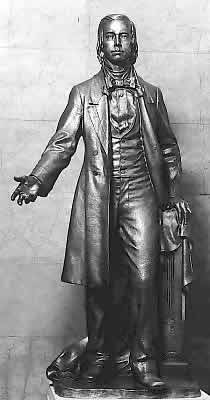
Thomas Starr King (December 17, 1824 – March 4, 1864) was a prominent American clergyman and public speaker whose sermons and lectures blended religious conviction with civic appeal. Trained within the Unitarian tradition, he became widely known for eloquent addresses that reached audiences on both coasts. He also served as a minister and was active in social causes of his era.
Image gallery
6 Images


Oratory and characteristics
King was celebrated for a persuasive speaking style that mixed theology, poetry, and patriotic rhetoric. His addresses often emphasized moral duty and national unity, making him an influential figure beyond the pulpit. Contemporary accounts describe him as charismatic, earnest, and skilled at turning religious language toward public affairs.
Role in California and the Civil War
After relocating to California, King emerged as a leading voice during the American Civil War. He used speeches, public appearances, and organizational work to encourage loyalty to the Union, to support wartime relief efforts, and to promote recruitment and fundraising. Historians credit his efforts—along with many others—with strengthening pro-Union sentiment in a state far from the eastern battlefields.
Death and legacy
King died in 1864, while the nation was still at war. His funeral drew large crowds and he was remembered as a unifying figure whose mix of faith and patriotism left a lasting impression. Memorials and honors followed: he was long represented among California's selections for national commemoration, and Masonic organizations have preserved his memory due to his association with Freemasonry.
Notable facts and remembrance
- He combined liberal Protestant theology with active public engagement, a model influential in 19th-century civic religion.
- His advocacy supported wartime relief organizations and helped sustain morale and material aid for soldiers and families.
- Monuments, commemorations, and historical studies continue to examine his role in linking religion to national service.
King's life illustrates how religious leadership and eloquence shaped public opinion during a formative moment in American history. For further reading and archival materials, consult specialized histories and institutional collections that preserve his speeches and correspondence.
Unitarian sources and ministerial records provide context for his theology; regional histories of California and studies of the American Civil War explore his political impact, while Masonic memorials reference his organizational ties and public honors (Union-related archives may also include related material).
Author
AlegsaOnline.com Thomas Starr King: Unitarian minister, orator, and Civil War-era leader Leandro Alegsa
URL: https://en.alegsaonline.com/art/146734