
The Devil's Advocate (1997 film)
A 1997 supernatural legal thriller directed by Taylor Hackford, starring Keanu Reeves, Al Pacino and Charlize Theron. Based on Andrew Neiderman's novel, it blends courtroom drama with metaphysical horror.
The Devil's Advocate is a 1997 American supernatural thriller that pairs legal drama with metaphysical horror. Directed by Taylor Hackford from a screenplay by Jonathan Lemkin and Tony Gilroy, the film adapts the novel by Andrew Neiderman. It stars Keanu Reeves, Al Pacino and Charlize Theron, and follows a talented young lawyer whose career and family life are drawn into a sinister, otherworldly orbit.
Image gallery
10 Images
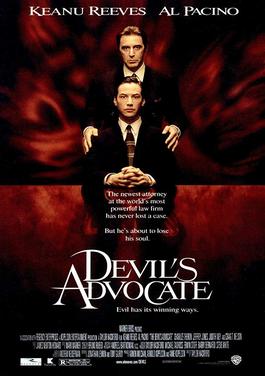


Premise and plot overview
The story centers on a successful Floridian lawyer who is recruited to a prestigious New York law firm. Moving from Florida to New York City, he encounters the charismatic head of the firm, who exerts an increasingly disturbing influence on his life and career. As strange events and psychological pressure escalate, the lawyer and his wife face apparitions and moral tests that suggest the firm's leader is more than he appears — a figure widely interpreted as the Devil in human guise (the Devil).
Cast and production
The film is anchored by the contrast between its leads: a restrained performance by the young lawyer and an operatic, theatrical presence from the firm’s owner. The supporting cast and the New York setting contribute to the movie’s atmosphere of ambition and corruption. The screenplay expands on the novel’s depiction of temptation and free will while translating courtroom scenes into a broader supernatural allegory.
Themes and style
The Devil's Advocate mixes genres — legal thriller, psychological horror and moral fable. Major themes include ambition, pride, the ethical compromises of professional success, and the nature of evil when it works through institutions. The film uses familiar tropes (seduction by power, spiritual unraveling, uncanny domestic disturbances) to create tension between rational law and irrational malevolence.
Reception and legacy
Critical reaction was mixed to positive: reviewers praised the lead performances and the film’s boldness but were divided about its tone and blending of genres. The movie holds a middling approval rating on review aggregator sites such as Rotten Tomatoes. Over time it has become a reference point in pop culture for stories that combine courtroom drama with supernatural elements.
Further notes
- Adaptation: The film takes liberties with its source material while retaining the novel’s central moral conflict.
- Style: Its visual and narrative choices emphasize temptation and the collapse of private life under public ambition.
- Examples: Viewers often cite the film in discussions of on-screen portrayals of temptation, ethical compromise and Faustian bargains.
Author
AlegsaOnline.com The Devil's Advocate (1997 film) Leandro Alegsa
URL: https://en.alegsaonline.com/art/146594