
The April Fools (1969 film)
A 1969 American romantic comedy directed by Stuart Rosenberg, notable for its star pairing of Jack Lemmon and Catherine Deneuve and an ensemble supporting cast. Distributed by National General Pictures.
Overview
The April Fools is a 1969 American romantic comedy film directed by Stuart Rosenberg and released by National General Pictures. The movie centers on adult relationships, chance encounters and the reassessment of commitments during a brief period of upheaval. It blends broad comedic moments with bittersweet romance, and is remembered for pairing established and international stars in a story about desire, regret and the search for connection.
Image gallery
2 Images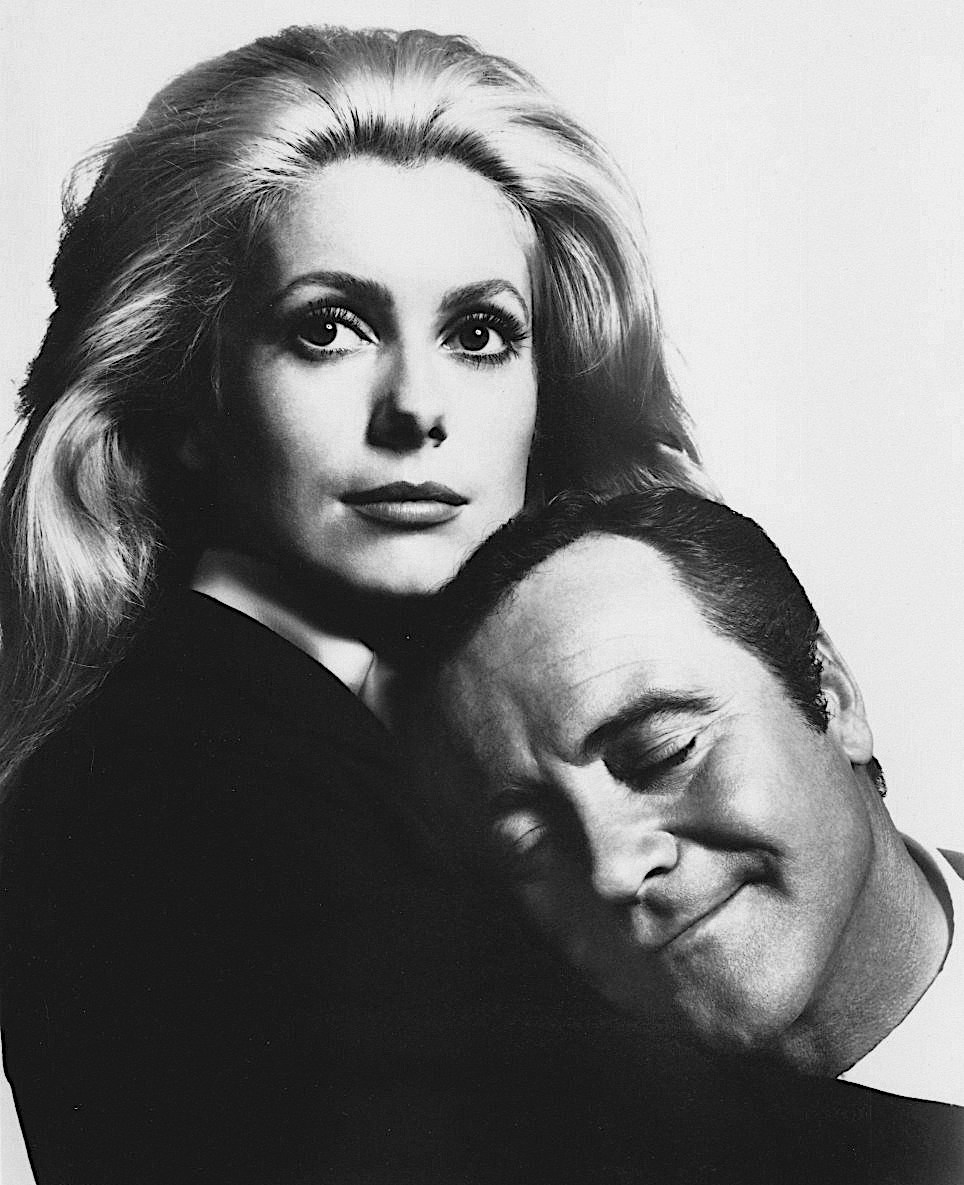

Cast and characters
The film features an ensemble cast led by two prominent leads and many familiar supporting players:
- Jack Lemmon — the male lead, noted for his comic timing and sympathetic portrayals.
- Catherine Deneuve — the female lead, bringing a cool European presence to the American romantic comedy.
- Sally Kellerman, Myrna Loy, Peter Lawford and Melinda Dillon — among the supporting cast, joined by Jack Weston, Charles Boyer and Harvey Korman.
Production and release
Directed by Stuart Rosenberg, the film was produced and distributed during a transitional era for Hollywood comedies. It arrived in 1969 amid changing audience tastes that favored more candid explorations of adult themes. The distributors, National General Pictures, handled its theatrical release. The film’s production values and casting reflect the late 1960s approach of mixing established studio-era performers with newer, international talent.
Themes and style
Stylistically, the picture alternates between light, farcical situations and quieter, reflective moments. Its principal themes include marital dissatisfaction, the appeal of reinvention, and the awkward comedy of adult romance. Rather than relying solely on slapstick, the film often uses character-driven humor and situational irony to explore how people balance desire and responsibility.
Reception and legacy
Contemporary critics had mixed reactions: some praised the performances and the chemistry of the leads, while others found the tone uneven. Over time, the film has attracted attention as a cultural artifact of late 1960s romantic comedies and for its notable cast. It remains of interest to viewers who follow Jack Lemmon’s work, Catherine Deneuve’s English-language appearances, or films that straddle conventional studio comedy and more modern sensibilities.
Notable facts and distinctions
The film is often noted for its ensemble supporting cast drawn from several generations of performers, which gives it a distinctive mix of styles. It is also a representative example of a period in American cinema when romantic comedies began to address mature themes more directly. For more information about the actors and historical context, consult dedicated film reference sources or databases.
Author
AlegsaOnline.com The April Fools (1969 film) Leandro Alegsa
URL: https://en.alegsaonline.com/art/146567