
Myrna Loy: American Actress and Screen Icon
Overview of Myrna Loy (1905–1993), her career from silent films to talkies, breakthrough as Nora Charles, notable films, honors, origins in Montana, and her cultural legacy.
Overview
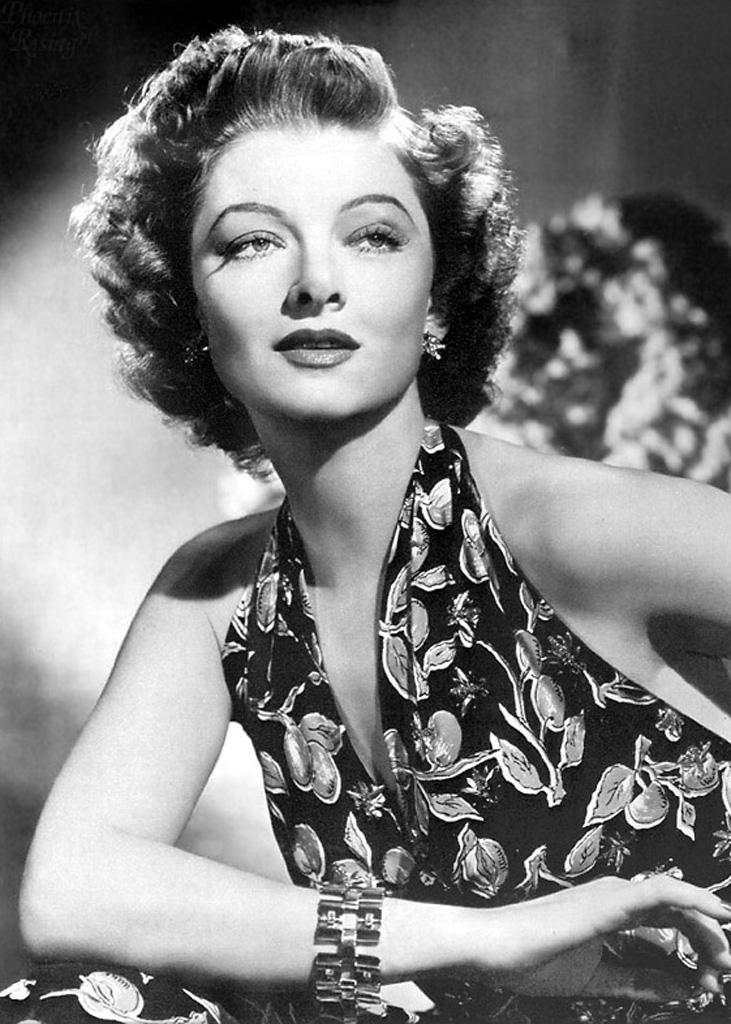
Myrna Loy (1905–1993) was an American film, television and stage performer whose screen persona helped define sophisticated screen comedy in the 1930s and 1940s. After early work in silent films and a period of typecasting, she achieved lasting fame for her portrayal of the witty, urbane Nora Charles in The Thin Man and for a range of roles that combined charm, intelligence, and emotional depth. Her career spanned multiple media and decades, and she remained a prominent public figure into her later years. For more on her professional credits see film and stage work.
Image gallery
10 Images



Early life and beginnings
Loy was born in Helena, Montana and grew up in a small Montana community before moving into the film industry. Her early screen appearances were in the silent era, where she often played exoticized or sultry characters, a common fate for attractive young actresses of the time. These parts typically presented her as a femme fatale or as characters cast in ambiguous ethnic roles, limiting the parts she was offered until sound films allowed a broader range of expression.
Breakthrough and screen persona
Her breakthrough came with The Thin Man (1934), in which she starred opposite William Powell. The role of Nora Charles—clever, urbane, and affectionate—transformed Loy’s public image from an exotic temptress into a model of modern screen wit and partnership. She and Powell became one of cinema’s most celebrated on-screen couples and made several sequels. Loy shifted successfully between comedy and drama thereafter, with memorable performances in films such as The Best Years of Our Lives and Manhattan Melodrama—both frequently listed among her notable works—alongside other popular studio comedies like Libeled Lady.
Notable films
- The Thin Man (Nora Charles) — series of films that cemented her star status
- After the Thin Man — continuation of the popular detective-comedy pairing
- The Best Years of Our Lives — a postwar drama showing her dramatic range
- Libeled Lady and Manhattan Melodrama — examples of her versatility
Honors, later life, and legacy
Although Loy was never awarded a competitive Academy Award nomination during the peak of her career, she received recognition late in life with an Honorary Academy Award in 1991, acknowledging her enduring contribution to cinema and popular culture; see Academy recognition. She continued to appear periodically on television and the stage and remained an admired figure for the way she helped reshape female roles in mainstream Hollywood movies.
Life, passing, and distinctions
Born in Montana and raised partly in rural communities, Loy maintained ties to her home state even as her career centered in Hollywood and later New York. She died in New York City during a surgical procedure and was interred in her native Helena; contemporary accounts note the community’s connection to her career and memory. For biographical details on her birthplace and memorials, consult regional histories and archival sources related to Helena, Montana and New York City. Additional resources and filmographies can be found through general reference links and databases listing major films.
Notable facts: Loy’s career is often cited as an example of an actress who successfully escaped early typecasting; her partnership with William Powell is considered among classic Hollywood’s most enduring on-screen duos. Her late-life Honorary Oscar reflected a broader reassessment of her contributions to American film.
Questions and answers
Q: Who was Myrna Loy?
A: Myrna Loy was an American movie, television and stage actress.
Q: What were some of her famous roles?
A: Some of Myrna Loy's famous roles include Nora Charles in The Thin Man, Peggy Stephenson in The Best Years of Our Lives, and Molly in After the Thin Man.
Q: How did Loy start her career in acting?
A: Loy started her career in acting after a few minor roles in silent films.
Q: What types of roles was Loy originally typecast in?
A: Loy was originally typecast in exotic roles, often as a femme fatale or a woman of Asian descent.
Q: What was Loy's breakthrough role and how did it impact her career?
A: Loy's breakthrough role was as Nora Charles in The Thin Man (1934). This role greatly improved her career prospects.
Q: Did Loy ever win a competitive Academy Award?
A: No, Loy was never nominated for a competitive Academy Award, but she was presented with an Honorary Academy Award in March 1991.
Q: Where was Loy born and where was she buried?
A: Loy was born in Helena, Montana and was buried in Forestvale Cemetery in Helena, Montana.
Author
AlegsaOnline.com Myrna Loy: American Actress and Screen Icon Leandro Alegsa
URL: https://en.alegsaonline.com/art/127337