
Taylor County, West Virginia: overview, history, and notable features
Taylor County is a largely rural county in north-central West Virginia with its seat at Grafton. This article summarizes its geography, history, economy, and cultural highlights.
Taylor County is a county in the U.S. state of West Virginia occupying a portion of the state's north‑central region. According to the 2010 census, the county had 16,895 residents (census data). The administrative center and largest town is Grafton, a community with historical connections to the railroads and local traditions. General information about the state government and services is available through the state resource (West Virginia).
Image gallery
2 Images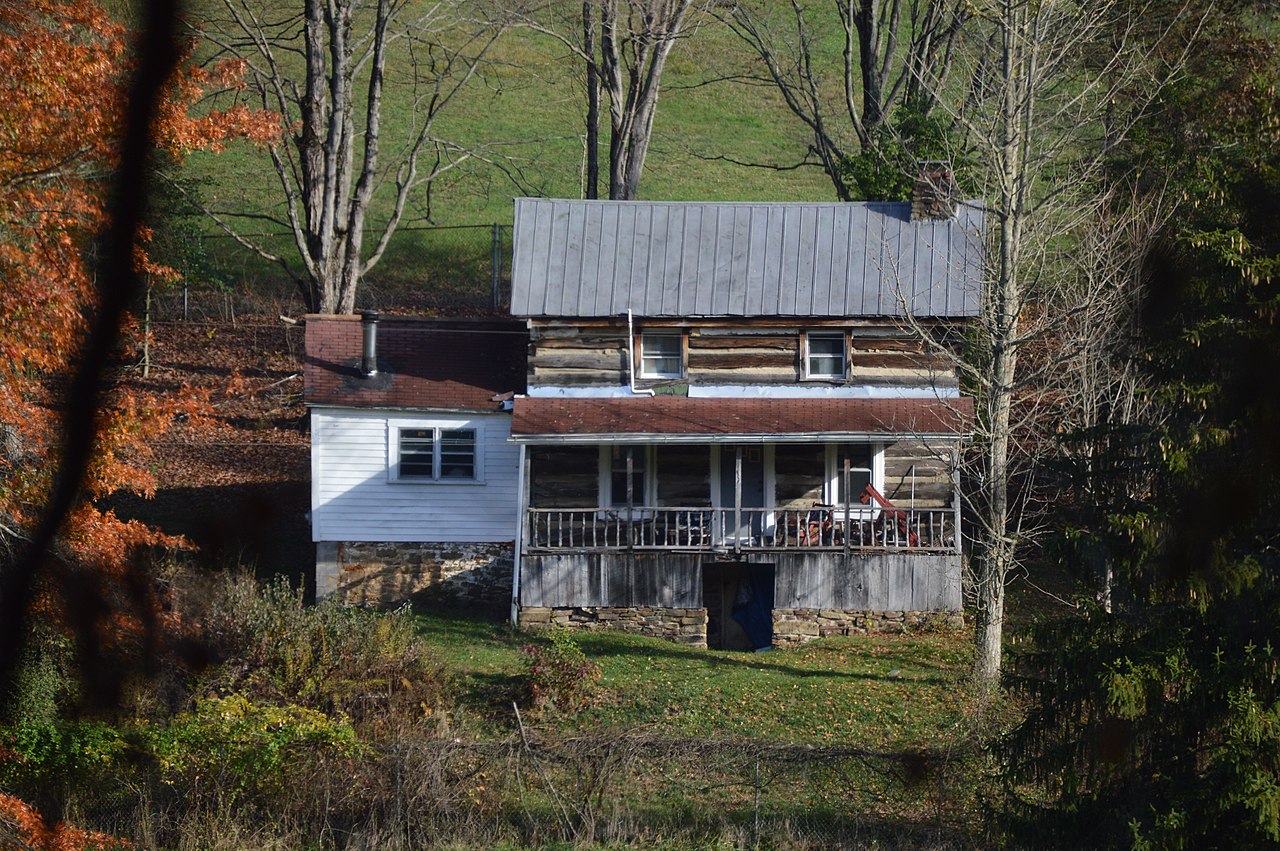

Geography and character
Taylor County sits within the Appalachian foothills, characterized by rolling hills, mixed hardwood forests, and small valleys. The landscape supports a patchwork of farms, woodlands and small towns rather than large urban centers. County roads connect residents to nearby regional hubs, and the natural setting provides outdoor recreational opportunities typical of inland West Virginia.
History and development
The county emerged in the 19th century as the region's population grew and transport links expanded. It was named after a national figure of that era and developed significantly with the arrival of the railroad in the 19th and early 20th centuries. Rail lines brought commerce, jobs and a period of industrial activity that shaped local towns, notably Grafton, where railroad facilities and related businesses were important employers.
Economy and communities
Taylor County's economy has shifted over time from extractive and railroad-centered industries toward a mixture of manufacturing, public services, retail and small business. Many residents work locally in government, education, healthcare and small enterprises, while others commute to larger employment centers in the region. The county contains a number of small municipalities and unincorporated communities that preserve a rural, small‑town way of life.
Culture, landmarks and notable facts
- Grafton is known for its railroad heritage and several historic sites that reflect the county's 19th‑ and early 20th‑century past.
- The city is associated with early commemorations of Mother's Day, a civic and cultural claim often noted in regional histories.
- Local festivals, historical societies and preserved buildings provide a link to the county's past and help sustain community identity.
Taylor County continues to balance preservation of rural character with the needs of 21st‑century residents. County government provides typical local services, and community organizations focus on economic development, historic preservation and outdoor recreation. For more detailed demographic or administrative records, consult the referenced census and state resources above.
Author
AlegsaOnline.com Taylor County, West Virginia: overview, history, and notable features Leandro Alegsa
URL: https://en.alegsaonline.com/art/146471