
Tang Fei — Taiwanese Air Force General and Briefly Premier
Tang Fei (born 1932) is a retired Republic of China Air Force general who served as Premier in 2000 under President Chen Shui-bian. A Kuomintang member, his cross‑party appointment was widely noted.
Tang Fei (Chinese: 唐飛; pinyin: Táng Fēi; born 15 March 1932) is a retired senior officer of the Republic of China Air Force and a public official. He is best known internationally for serving a short term as Premier of the Republic of China from 20 May to 6 October 2000, a period that coincided with the inauguration of President Chen Shui-bian.
Tang had a long military career before entering formal politics. Over decades of service he rose through the air force ranks and held senior defense posts, including leadership and staff positions responsible for operations, training and procurement. His background as a professional military officer shaped his reputation as a technocratic and disciplined administrator.
His premiership in 2000 drew attention because he was a member of the Kuomintang (KMT) who accepted a cabinet post offered by a president from the rival Democratic Progressive Party (DPP). That cross-party appointment was seen as an effort to reassure the public and the military during a politically sensitive transition. Tang served only a few months as head of the Executive Yuan and stepped down in October of the same year.
Observers have described Tang's term as notable for its brevity and for highlighting issues of civil-military relations, party cooperation and technocratic governance in Taiwan. He is often cited as an example of a senior military figure who moved temporarily into civilian executive office while remaining identified with professional service rather than partisan policymaking.
Image gallery
1 Image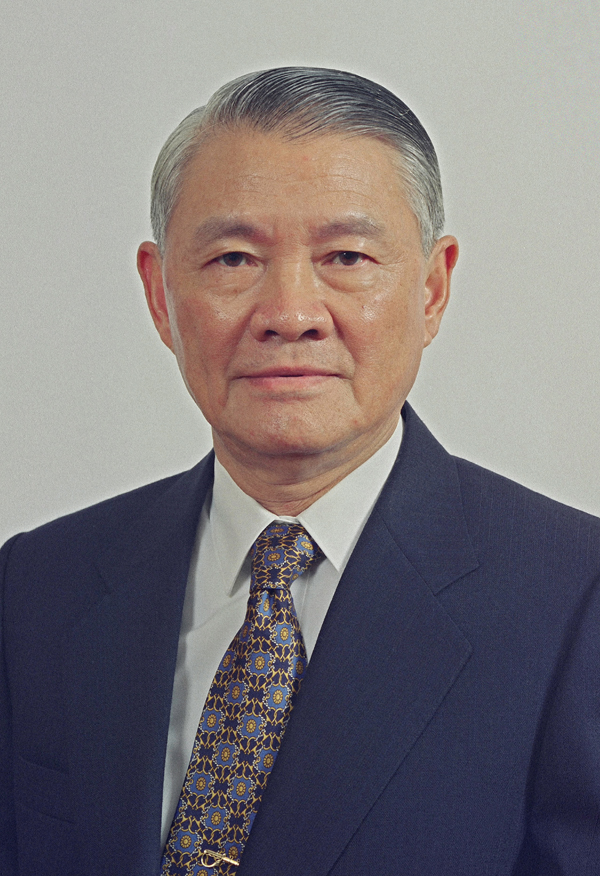
Notable positions and timeline
- Career air force officer and commander-level roles in the Republic of China Air Force.
- Senior defense and general staff appointments, serving at the highest levels of military command and planning.
- Appointed Premier of the Republic of China (20 May–6 October 2000) under President Chen Shui-bian.
After leaving the premiership Tang returned to private life and retirement. He is remembered for a long military career, a brief but high-profile political role at a sensitive moment in Taiwan’s democratic development, and for demonstrating the occasional crossover between professional military leadership and civilian government service.
Author
AlegsaOnline.com Tang Fei — Taiwanese Air Force General and Briefly Premier Leandro Alegsa
URL: https://en.alegsaonline.com/art/146440