
T. E. Lawrence (Lawrence of Arabia)
British archaeologist, soldier, and writer Thomas Edward Lawrence (1888–1935), famed for his role in the Arab Revolt, his memoir Seven Pillars of Wisdom, and his complex legacy.
Overview
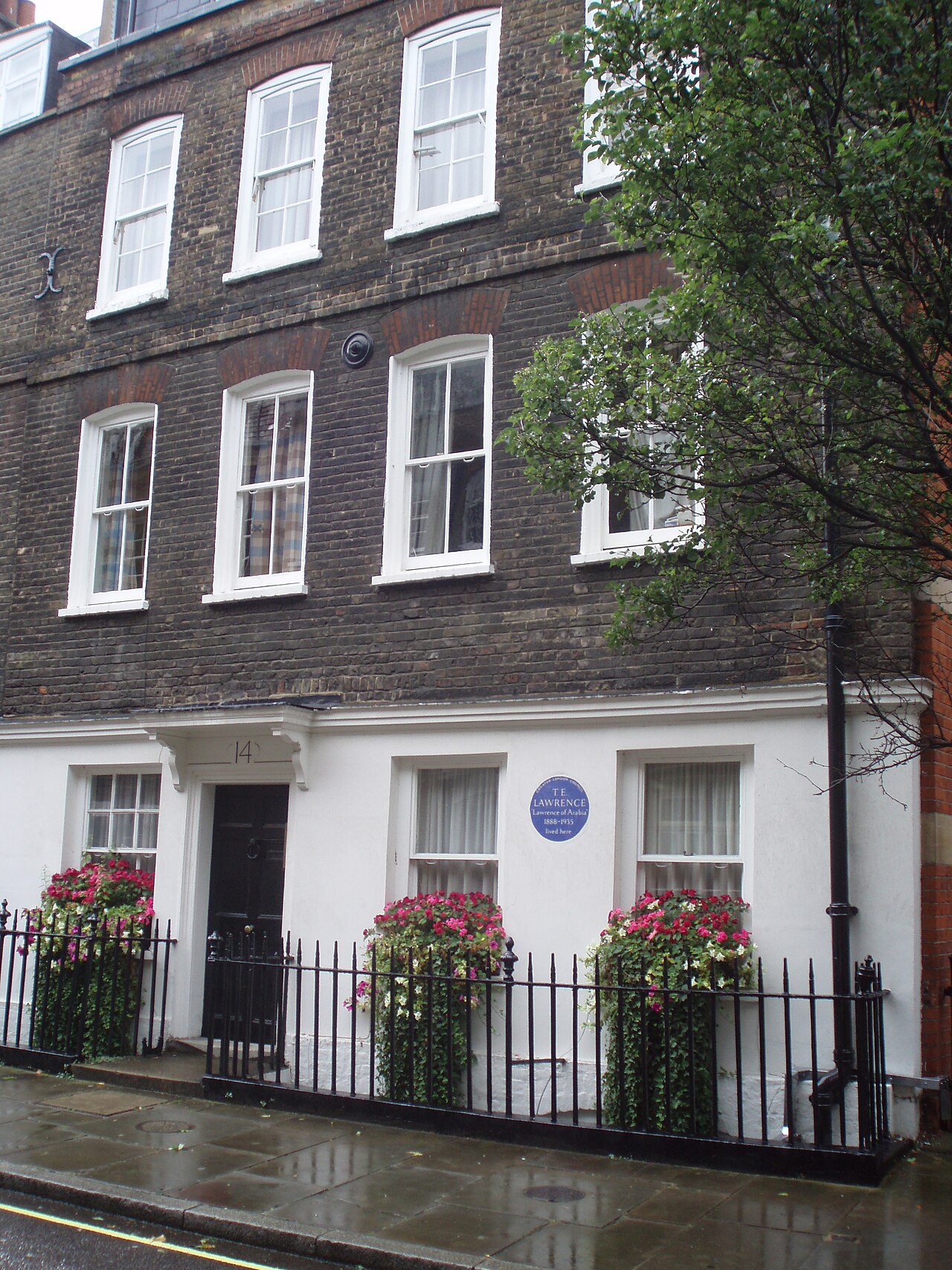
Thomas Edward Lawrence (16 August 1888 – 19 May 1935), commonly known as T. E. Lawrence or "Lawrence of Arabia," was a British archaeologist, military officer, writer and scholar. He became widely known for his role during the First World War as a liaison and strategist in the Arab Revolt against Ottoman rule. His life blended scholarship, irregular warfare, diplomacy and literary ambition, producing a public reputation that has been celebrated and debated ever since.
Image gallery
10 Images





Early life and education
Lawrence was born in Tremadog, Wales, and was raised and educated in England. He read history at the University of Oxford, where he developed interests in archaeology, medieval architecture and the cultures of the Middle East. Before the war he worked on archaeological surveys and studies of Crusader castles in Syria and Palestine, gaining language skills and regional knowledge that later shaped his wartime role.
Military service and the Arab Revolt
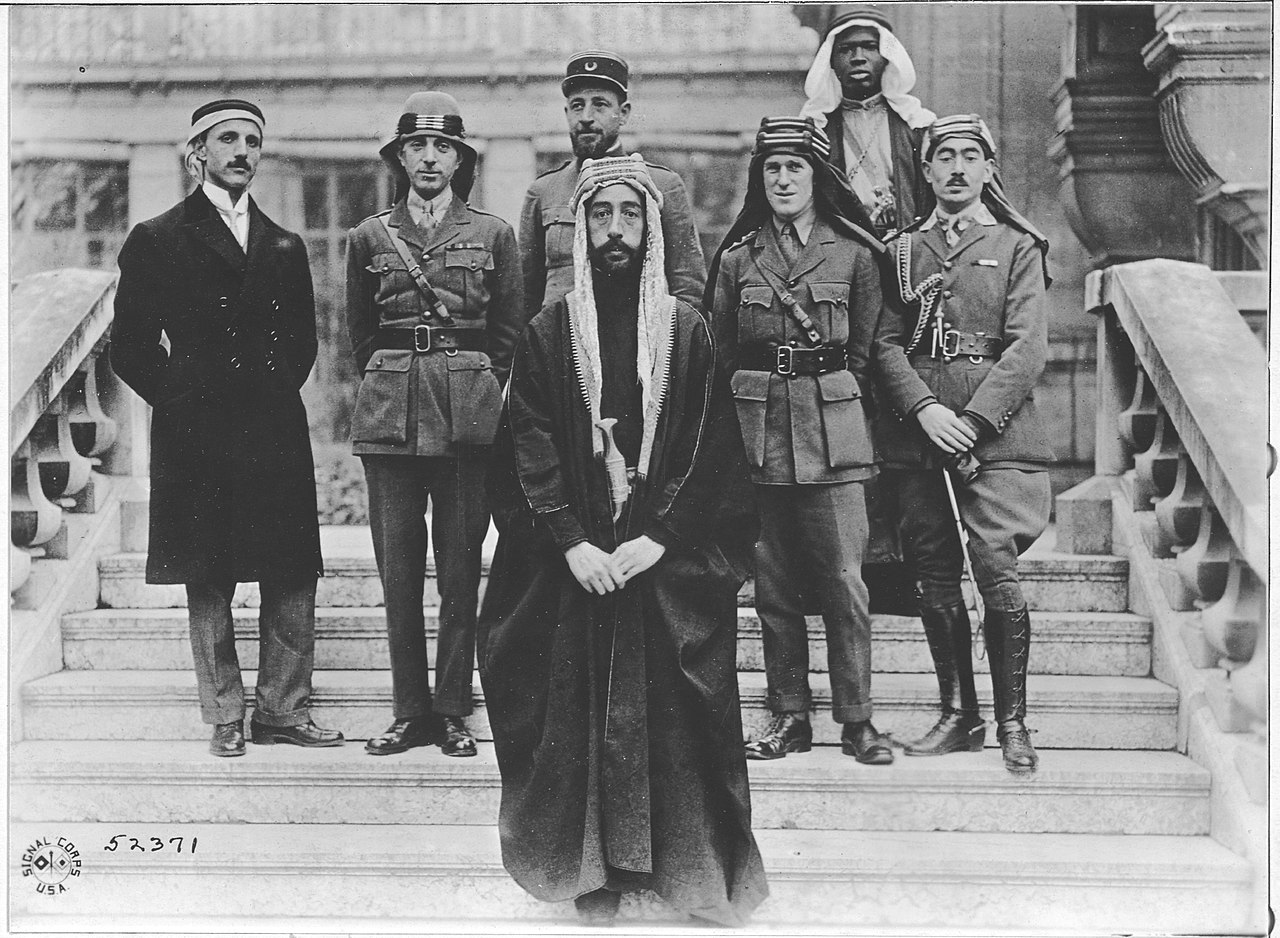
During World War I Lawrence served as an intelligence officer and adviser attached to forces supporting the Arab Revolt. Although not a conventional commander in the regular British Army, his work as an intermediary, planner and trainer helped coordinate guerrilla operations, communications and raids against Ottoman lines. He served in the capacity of a liaison officer to Arab leaders, notably Prince Faisal, and participated in several notable campaigns, including actions aimed at securing the port of Aqaba and disrupting Ottoman railways.
Writings, later life and death
After the war Lawrence wrote a major memoir, Seven Pillars of Wisdom (published in 1926), which mixes detailed reporting of military events with reflective and literary passages. An abridged account, Revolt in the Desert, appeared earlier and helped establish his public image. In the 1920s and 1930s he sought anonymity and professional change, enlisting under assumed names in the Royal Air Force and later the Royal Tank Corps. He died in a motorcycle accident in Dorset in 1935.
Legacy, honors and controversies
Lawrence received military honors for his wartime service and is remembered for his linguistic skill, his knowledge of Middle Eastern landscapes and cultures, and his influence on irregular warfare doctrine. His life has been the subject of biographies, novels and films—most famously the 1962 feature film that popularized the name "Lawrence of Arabia." Historians debate the precise extent of his strategic influence, the accuracy of his memoir, and aspects of his personal life; these debates have contributed to a complex, sometimes mythologized legacy.
Notable facts
- Before the war he worked on archaeological projects and studies of medieval fortifications.
- His best-known book is Seven Pillars of Wisdom; an abridged version appeared as Revolt in the Desert.
- He served in the postwar period under assumed names while continuing to write and study.
- Lawrence remains a reference point in discussions of guerrilla warfare, Middle Eastern politics after WWI, and the interplay of scholarship and statecraft.
For further reading and archival references see modern biographies and editions of his writings, and consult institutional resources for primary documents: for example, collections associated with universities and military archives often provide original papers and contextual materials (military records, service files, historical site studies via regional archives and academic libraries such as those linked to Oxford).
Author
AlegsaOnline.com T. E. Lawrence (Lawrence of Arabia) Leandro Alegsa
URL: https://en.alegsaonline.com/art/146382