
Super Smash Bros. (series)
A Nintendo-developed series of crossover platform fighting games known for its accessible controls, roster of video game characters, and a large competitive community.
Overview
Super Smash Bros. is a crossover platform fighting game series developed and published by Nintendo. Conceived as a nontraditional fighting game, it pits characters drawn largely from Nintendo franchises against each other on stages inspired by video-game locations. The series is commonly called "Smash" or "SSB" and comprises five main entries released across Nintendo consoles and handhelds. It has attracted both broad mainstream popularity and a dedicated tournament scene.
Image gallery
10 Images




Gameplay and defining features
Rather than using life bars, Smash uses a percentage-based damage system: as a fighter accumulates damage, they become easier to launch off the stage. Matches are resolved by knocking opponents out of bounds or by time or stock limits. Play centers on movement across multi-tiered platforms, attacks of varying speed and range, and techniques such as air dodges, grabs, and directional influence. Items and stage hazards are optional elements that tend to favor casual play, while tournament rules usually disable them for competitive balance.
Core mechanics and notable elements
- Percent and knockback: increases vulnerability rather than removing hit points.
- Stages: dynamic battlefields with unique layouts and interactive elements.
- Special mechanics: the Smash Ball leading to a powerful Final Smash, as well as assist trophies and, in later games, spirit or support systems.
- Rosters: a mixture of Nintendo icons and guest characters from third-party series.
History and major releases
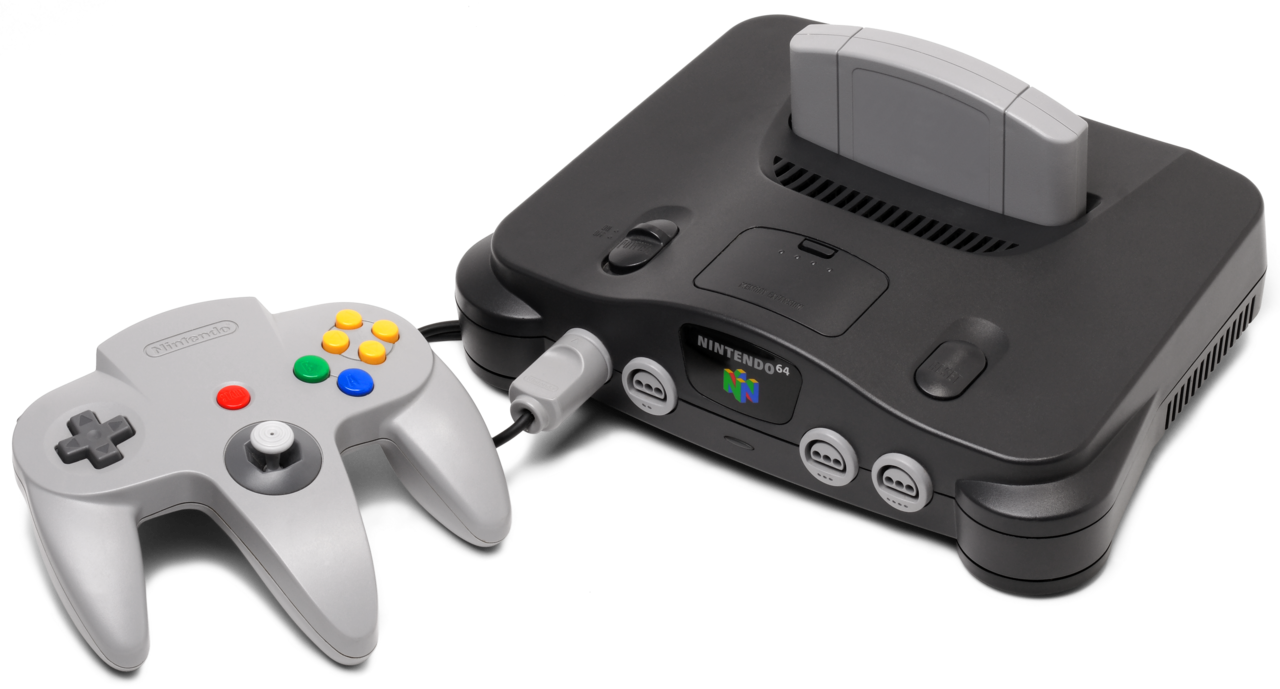
The series began on the Nintendo 64 in 1999 and was followed by Super Smash Bros. Melee for GameCube in 2001, which developed a strong competitive following due to its high-speed mechanics. Super Smash Bros. Brawl arrived on Wii in 2008 and introduced new single-player content and third-party guests. The fourth installment, released for Nintendo 3DS and Wii U in the mid-2010s, modernized visuals and balance. The most recent main entry, Super Smash Bros. Ultimate for Nintendo Switch (2018), expanded the roster and refined accessibility and competitive options.
Competitive scene and cultural impact
Although designed for local multiplayer, Smash evolved into a major fixture of grassroots competitive gaming. Organized tournaments range from small local events to international majors; professional players and community organizers have developed advanced techniques, metagame strategies, and infrastructure for broadcasting and rule standardization. The series has influenced other "platform fighter" titles and remains a prominent crossover showcase for gaming franchises and character representation.
Further resources and distinctions
The franchise is notable for blending approachable controls with deep technical skill ceilings, making it accessible to newcomers while rewarding mastery. It also stands out for its crossover nature: characters and items often highlight gaming history and fan-favorite moments. For more details on the franchise, character lists and developer information, see the main franchise overview and official Nintendo pages. Community-run resources and tournament coverage are available through the broader competitive community and databases of playable characters.
Questions and answers
Q: What is Super Smash Bros. (series)?
A: Super Smash Bros. (series) is a video game franchise created by Nintendo.
Q: How many titles are there in Super Smash Bros. (series)?
A: There are five titles in total in Super Smash Bros. (series).
Q: What is the genre of Super Smash Bros. (series)?
A: Super Smash Bros. (series) is a fighting game franchise.
Q: What kind of characters are featured in Super Smash Bros. (series)?
A: Super Smash Bros. (series) features a wide cast of characters from Nintendo, including some from third-party games.
Q: Has Super Smash Bros. (series) been successful?
A: Yes, Super Smash Bros. (series) has been incredibly successful.
Q: What kind of community has Super Smash Bros. (series) garnered?
A: Super Smash Bros. (series) has garnered a large competitive electronic sports community.
Q: Who created Super Smash Bros. (series)?
A: Super Smash Bros. (series) was created by Nintendo.
Author
AlegsaOnline.com Super Smash Bros. (series) Leandro Alegsa
URL: https://en.alegsaonline.com/art/146314
Sources
- usgamer.net : "Super Smash Bros Ultimate Switch Release Date, Characters, Story Mode - E3 Reveal - Everything we Know"
- kotaku.com : "Everything We Know About Super Smash Bros. Ultimate"