
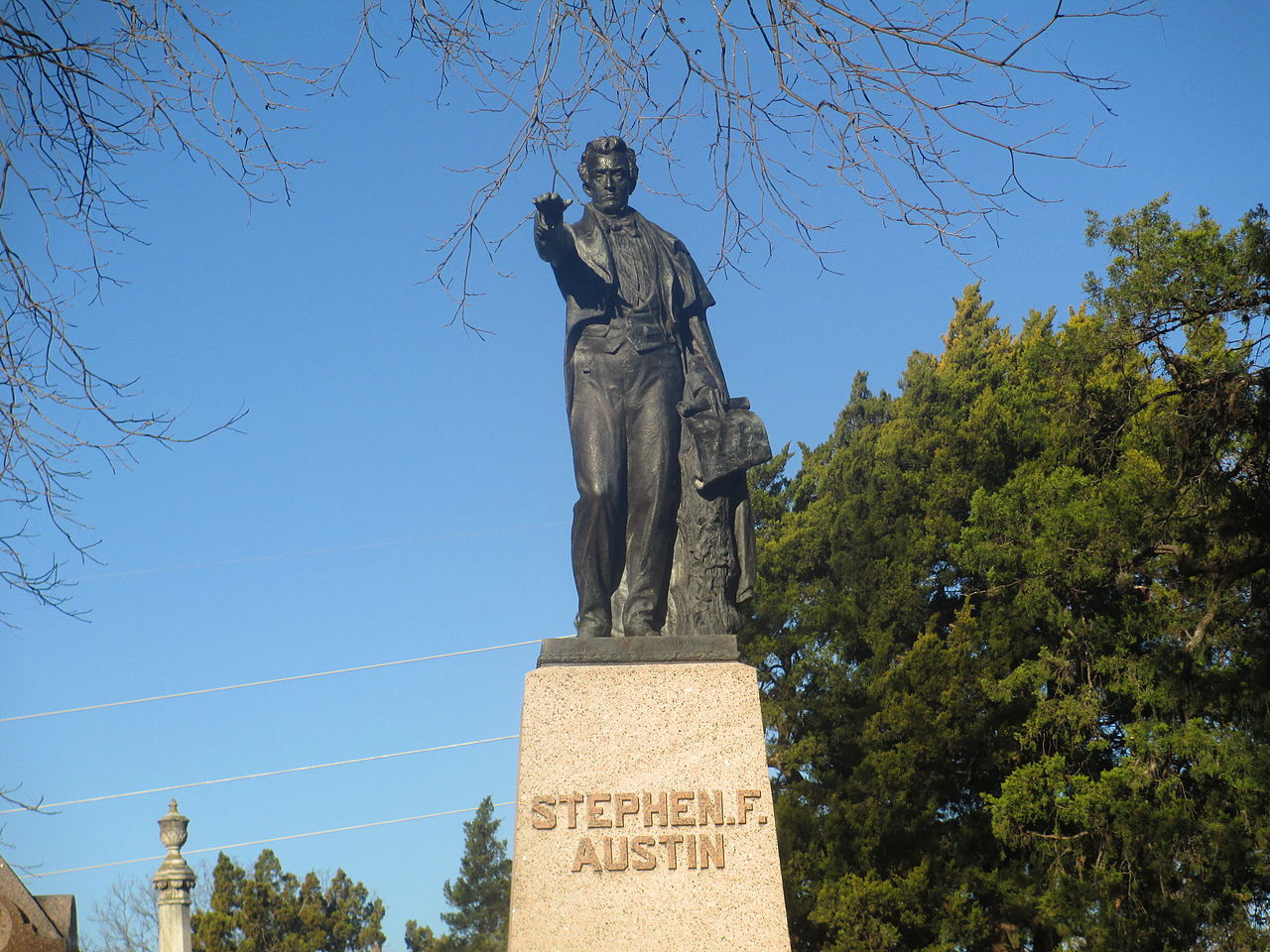
Stephen F. Austin — founder of Anglo-American Texas
Stephen F. Austin (1793–1836) organized Anglo-American colonization of Mexican Texas, led the Old Three Hundred, negotiated with Mexican authorities, and is widely known as the 'Father of Texas.'
Stephen Fuller Austin (1793–1836) was a leading figure in the early Anglo-American settlement of what is now Texas. Often called the "Father of Texas," Austin organized and directed a large colonization effort under Mexican authority, helping to shape the region's demographic, legal, and political development in the 1820s and 1830s. His efforts set the stage for later events that led to the Texas Revolution and the republic's creation.
Image gallery
9 Images




Early life and colonization efforts
Austin was born in Virginia and later moved with his family to the American frontier. After the death of his father, who had secured an initial colonization grant, Austin carried forward the plan to settle Anglo-American families in the Mexican province of Tejas. Acting as an empresario — a contractor authorized to recruit settlers and administer land grants — he organized what became known as the "Old Three Hundred," bringing roughly three hundred families from the United States to the region in the 1820s. He established a headquarters at a settlement that became a focal point for settlers' legal and commercial affairs.
Politics, negotiation, and imprisonment
Austin worked as an intermediary between Anglo colonists and Mexican officials. He sought to protect settlers' land claims and rights while encouraging compliance with Mexican law. As tensions rose over centralization and restrictions imposed by Mexico's government, Austin traveled to Mexico City to press for reforms and the recognition of local rights. During one such mission he was detained by Mexican authorities for a period, an experience that hardened his views about the Mexican government and influenced his later political positions.
Role in Texas independence and public service
Although Austin initially preferred to seek redress through legal channels and aimed for autonomous statehood within Mexico, changing circumstances — including the suspension of certain rights by Mexico's central government — pushed many settlers toward support for independence. Austin became involved in the political debates of the time and took on leadership roles in the emerging Texan polity. He served in several official capacities during the transition from Mexican province to independent republic and remained a respected voice for measured, pragmatic action.
Legacy and notable facts
- Austin is widely remembered as the principal organizer of the first successful Anglo-American colonization of Texas and is commonly called the "Father of Texas."
- He played a central role in negotiating land grants, resolving disputes, and representing colonists' interests to Mexican authorities.
- The state capital, Austin, Texas, was named in his honor.
- His life and work are central to the history of Anglo settlement in Texas and the broader story of U.S.–Mexico frontier relations; further summaries and archival materials are available through dedicated historical resources such as Stephen F. Austin resources.
Stephen F. Austin died in late 1836, shortly after the Republic of Texas won its independence. His combination of administrative skill, negotiation with Mexican authorities, and leadership among settlers left a lasting imprint on Texas's development and identity.
Author
AlegsaOnline.com Stephen F. Austin — founder of Anglo-American Texas Leandro Alegsa
URL: https://en.alegsaonline.com/art/146149