
St. Peter, Minnesota
St. Peter is a city in Nicollet County, Minnesota. It is the county seat and had 11,196 residents at the 2010 census. The city is a regional center for education, government and agriculture near Mankato.
Overview
St. Peter is a small city in Nicollet County, in the U.S. state of Minnesota. It serves as the county seat and had a population of 11,196 according to the 2010 census. The community lies in the Minnesota River valley and is located about 10 miles north of the Mankato – North Mankato metropolitan area, making it both a local administrative center and a short commute from a larger regional hub.
Image gallery
10 Images



Characteristics
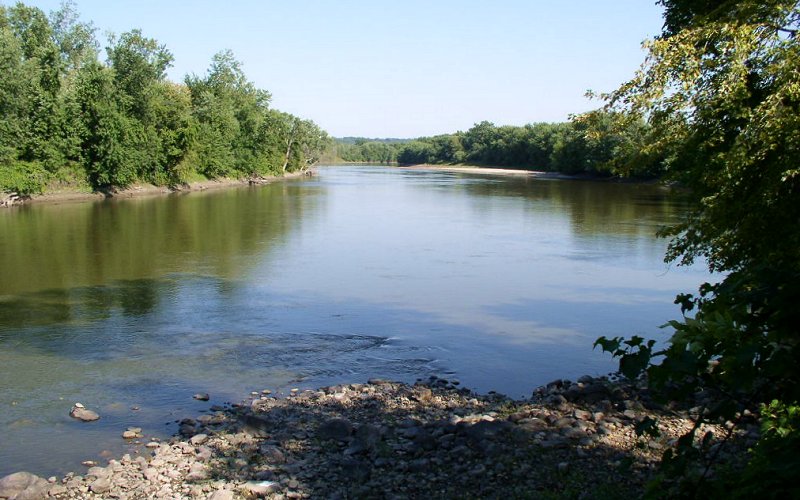
St. Peter combines a small-city downtown and residential neighborhoods with surrounding agricultural land. Local services include county government offices, schools, health-care providers, and small manufacturing or commercial enterprises. The city’s landscape reflects the river valley setting: low-lying areas, recreational parks, and tree-lined streets near the core.
History and development
Like many Minnesota river towns, St. Peter developed in the 19th century around transportation routes and farming. Over time it became the seat of county government and a center for trade and services for nearby rural communities. Educational institutions and civic life helped shape its identity and attract residents from the region.
Attractions and institutions
- Higher education: A notable liberal arts college in the city contributes to local culture, events and the economy.
- Government and services: County offices, courts and civic facilities reflect the city’s administrative role.
- Parks and recreation: Public parks and river-valley trails provide outdoor opportunities for residents and visitors.
- Community events: Seasonal festivals and local arts programming support civic life and tourism.
Role and notable facts
St. Peter functions as a regional center for the surrounding agricultural county while maintaining connections to the larger Mankato area for commerce and employment. Its combination of education, county government, and recreational access gives it a stable civic profile. Visitors and new residents often note the town’s blend of small-city amenities, historic character and proximity to outdoor landscapes.
Further information about municipal services, historical records and local events is available from county and state resources and local institutions that document the city’s ongoing civic and cultural life.
Author
AlegsaOnline.com St. Peter, Minnesota Leandro Alegsa
URL: https://en.alegsaonline.com/art/146077