
St. Moritz — Swiss alpine resort and winter sports destination
High-altitude resort in the Upper Engadin, Switzerland, known for winter sports, luxury tourism, and hosting the 1928 and 1948 Winter Olympics.
Overview
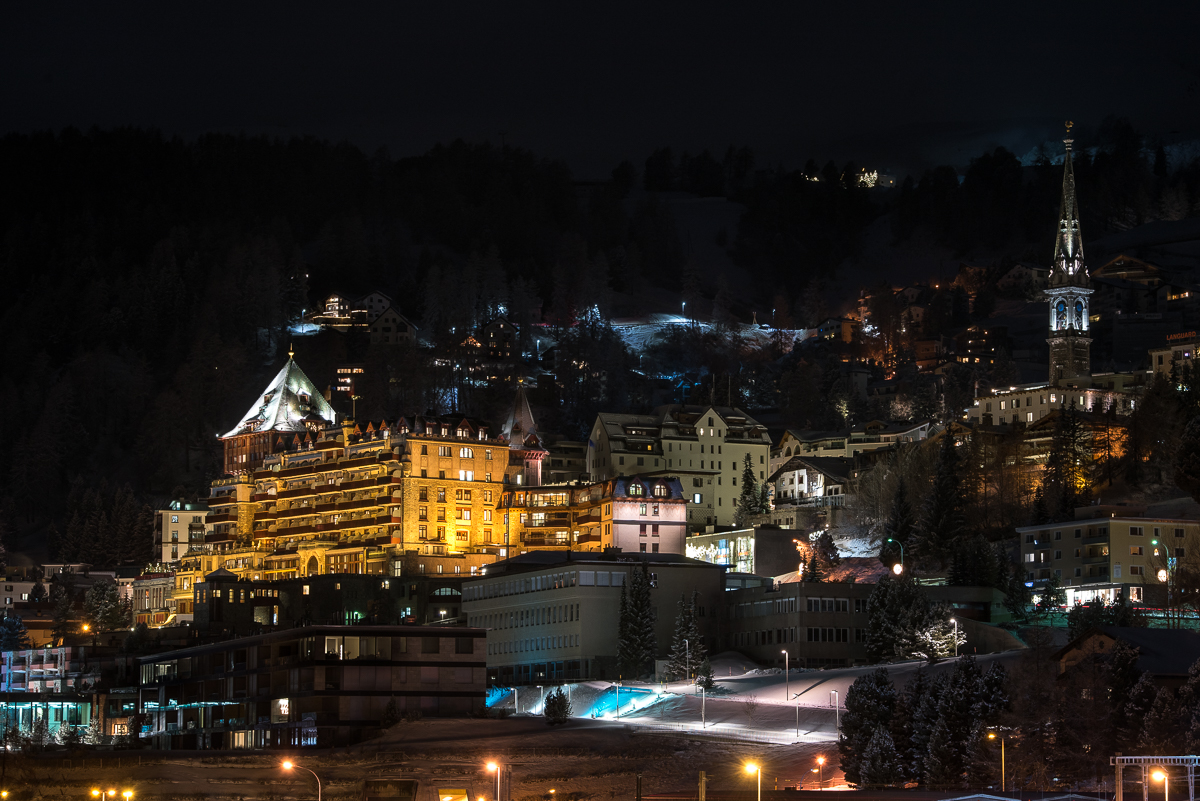
St. Moritz is a high-altitude resort town in the Upper Engadin valley, long established as a centre for alpine winter tourism and luxury hospitality. The town is known by local names in several languages: in French as Saint-Moritz, in German as Sankt Moritz and in Italian as San Maurizio. It lies in the canton of Graubünden in Switzerland and has been a model for organised alpine leisure since the 19th century.
Image gallery
10 Images




Geography and climate
Perched above the valley floor, St. Moritz enjoys a mountain climate with cold, snowy winters and many clear, sunny days that favour snow sports. The town overlooks a lake that freezes reliably in winter and becomes the location for seasonal events on the ice. Its alpine setting provides panoramic views, access to nearby peaks and mountain passes, and a mix of lower-altitude promenades and high-altitude terrain.
Skiing and winter sports
St. Moritz is a major ski resort with several linked ski areas serving different ability levels, including well-known sectors often marketed under names such as Corviglia, Corvatsch and Diavolezza. The town is famous for historic sliding sports venues: the Cresta Run for skeleton, and older bobsleigh and luge tracks used in international competition. Beyond piste skiing, visitors find cross-country trails, freeride areas and winter hiking routes.
Events, culture and attractions
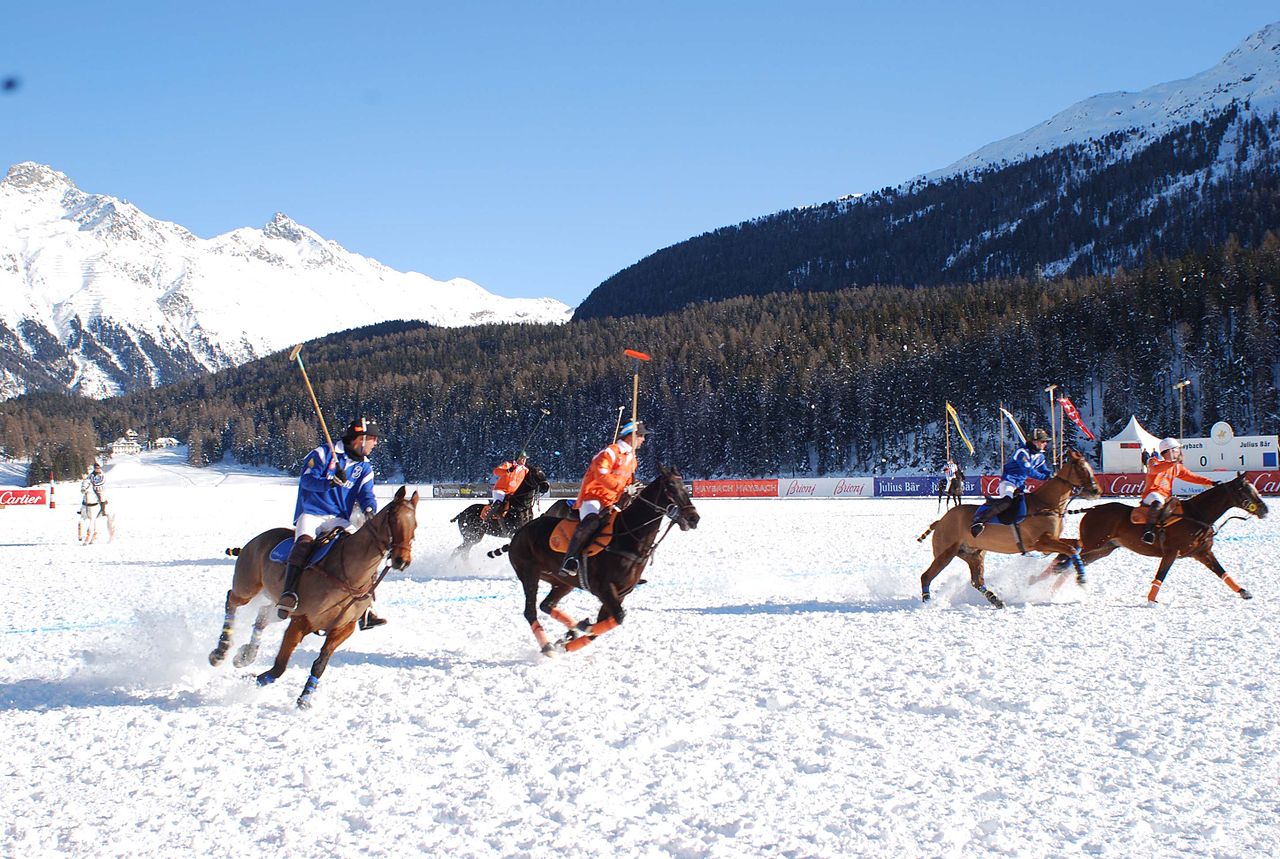
The frozen lake plays host to signature events such as the White Turf horse races and winter polo matches, attracting international participants and spectators. St. Moritz also stages ski races, classical and popular cultural events, and summer festivals that make use of the high-alpine environment. The resort combines sporting facilities with boutique hotels, thermal spas and fine dining, and retains a reputation for upscale hospitality.
History and development
The modern identity of St. Moritz grew in the 19th century when entrepreneurs promoted winter stays as a healthful pastime. It achieved worldwide prominence by hosting the Winter Olympic Games in 1928 and again in 1948, milestones that helped standardise facilities for international winter sport and boosted its profile as a year-round destination.
Access and transport
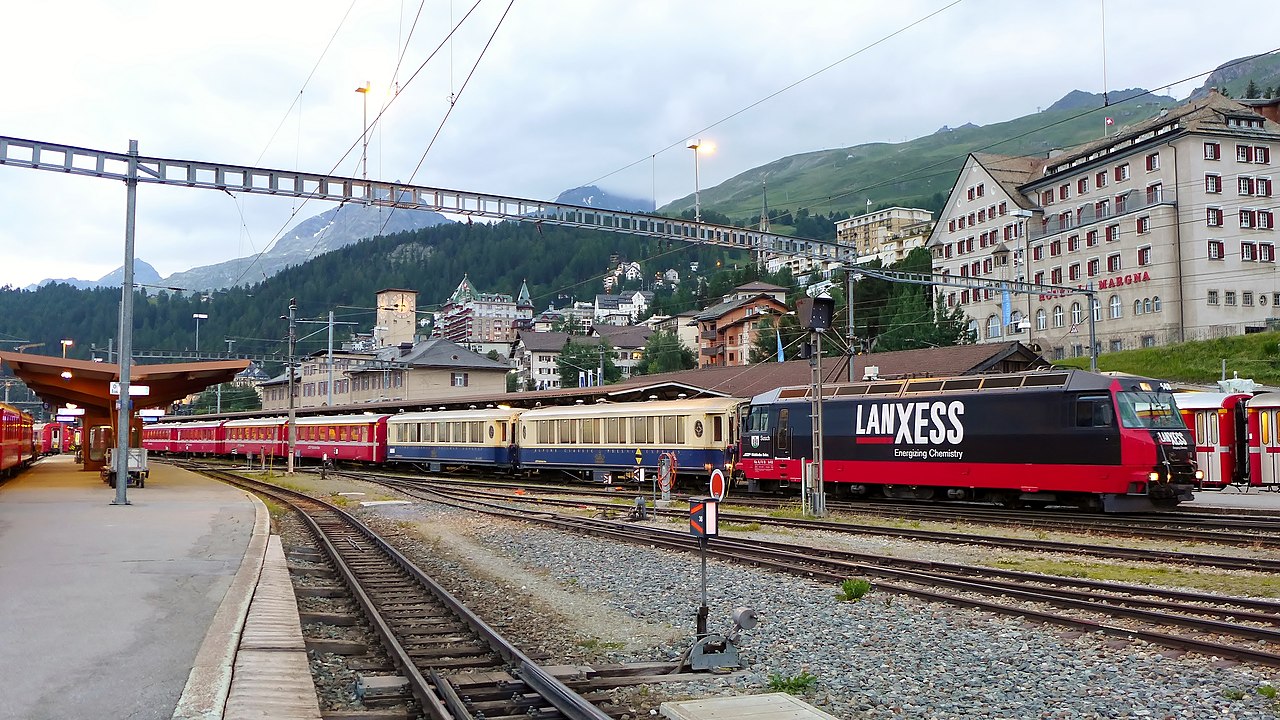
St. Moritz is linked by mountain roads and by rail, served by the Rhaetian Railway routes that connect the Engadin with surrounding valleys; these lines are well known and form part of scenic alpine rail travel. Good public transport and seasonal services make the town accessible from regional centres and international gateways.
Visitor information
Visitors come for sport, scenery and the resort’s cultural calendar. Accommodation ranges from historic grand hotels to smaller guesthouses, and many long-standing winter and summer activities are organised locally. For practical planning, local tourism offices and transport providers offer up-to-date information. More on the town’s multilingual heritage and further resources may be found through official channels and regional guides. Additional background is available via local and national tourism pages that cover the Engadin and Swiss mountain destinations.
Key links: regional language names (German, Italian), resort overview (ski and leisure) and national information (Switzerland).
Author
AlegsaOnline.com St. Moritz — Swiss alpine resort and winter sports destination Leandro Alegsa
URL: https://en.alegsaonline.com/art/146072