
Southern Peninsula (Suðurnes), Iceland — geography, towns and significance
Southern Peninsula (Suðurnes) is the southwestern Icelandic region that includes the Reykjanes Peninsula, Keflavík and the international airport; notable for volcanic geology, fisheries and geothermal tourism.
Overview
The Southern Peninsula, known in Icelandic as Suðurnes, occupies the southwestern tip of Iceland. It is a compact but populous district that incorporates the Reykjanes Peninsula and a string of coastal towns. Population figures vary by year, with the region home to roughly 27,000–28,000 people in recent counts. The largest urban centre historically is Keflavík, which functions as a local hub and gateway to the country.
Image gallery
10 Images



Geography and geology
This peninsula is defined by dramatic volcanic and geothermal landscapes: lava fields, hot springs, fumaroles and rugged shorelines. The area sits along the Mid-Atlantic Ridge where the North American and Eurasian tectonic plates meet, producing fissure swarms and frequent seismic and volcanic activity. Groundforms are young and continually reshaped by eruptions and coastal erosion.
Settlements and economy
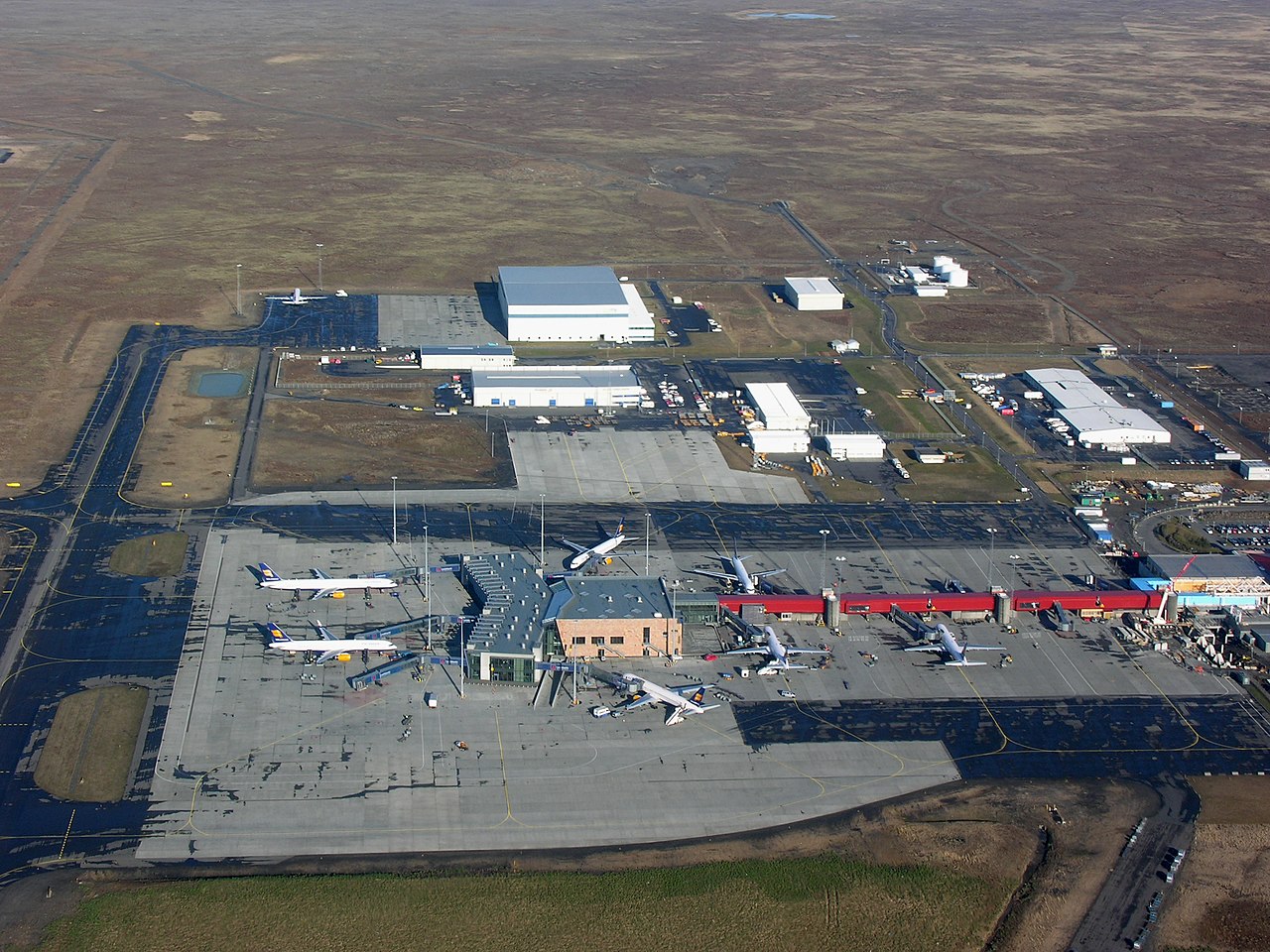
Major settlements include Keflavík, Grindavík, Njarðvík and smaller fishing villages. Local economies combine commercial fishing, aquaculture, airport-related services, light industry and energy production. The presence of Iceland's principal international airport near Keflavík has made the peninsula an important transport and logistics node.
Tourism and attractions
Visitors are drawn to geothermal spas, coastal birdlife and accessible volcanic sites. The famous Blue Lagoon and other hot spring bathing facilities lie within or near the peninsula, and recent volcanic eruptions have become popular, closely observed attractions. Hiking, birdwatching and visits to lighthouses and geological sites are common activities.
History and development
Historically a set of fishing communities, the peninsula gained strategic and economic significance with modern aviation and Cold War-era military activity. Several municipalities have been consolidated in recent decades to streamline services and reflect growing urban links between towns.
Notable distinctions
Although small in area, the Southern Peninsula is one of Iceland's busiest regions because it hosts the main international gateway and numerous geothermal research and tourism facilities. Its active geology provides both economic opportunities and planning challenges, and the area is often referenced in discussions about Icelandic volcanic hazards and sustainable development in coastal zones. For more regional context see the region resources.
Author
AlegsaOnline.com Southern Peninsula (Suðurnes), Iceland — geography, towns and significance Leandro Alegsa
URL: https://en.alegsaonline.com/art/145918