
Brittnau: Municipality in the Canton of Aargau, Switzerland
Brittnau is a German‑speaking municipality in the district of Zofingen, canton Aargau, Switzerland. It combines agricultural land, small industry, local services and community traditions typical of the Swiss plateau.
Overview
Brittnau is a municipality in the district of Zofingen within the canton Aargau in Switzerland. Located on the Swiss plateau, it functions as a local centre for surrounding rural areas while also forming part of a regional network of towns and villages. The primary language is German and the community reflects the administrative and social patterns common to small Swiss municipalities.
Image gallery
3 Images

Geography and environment
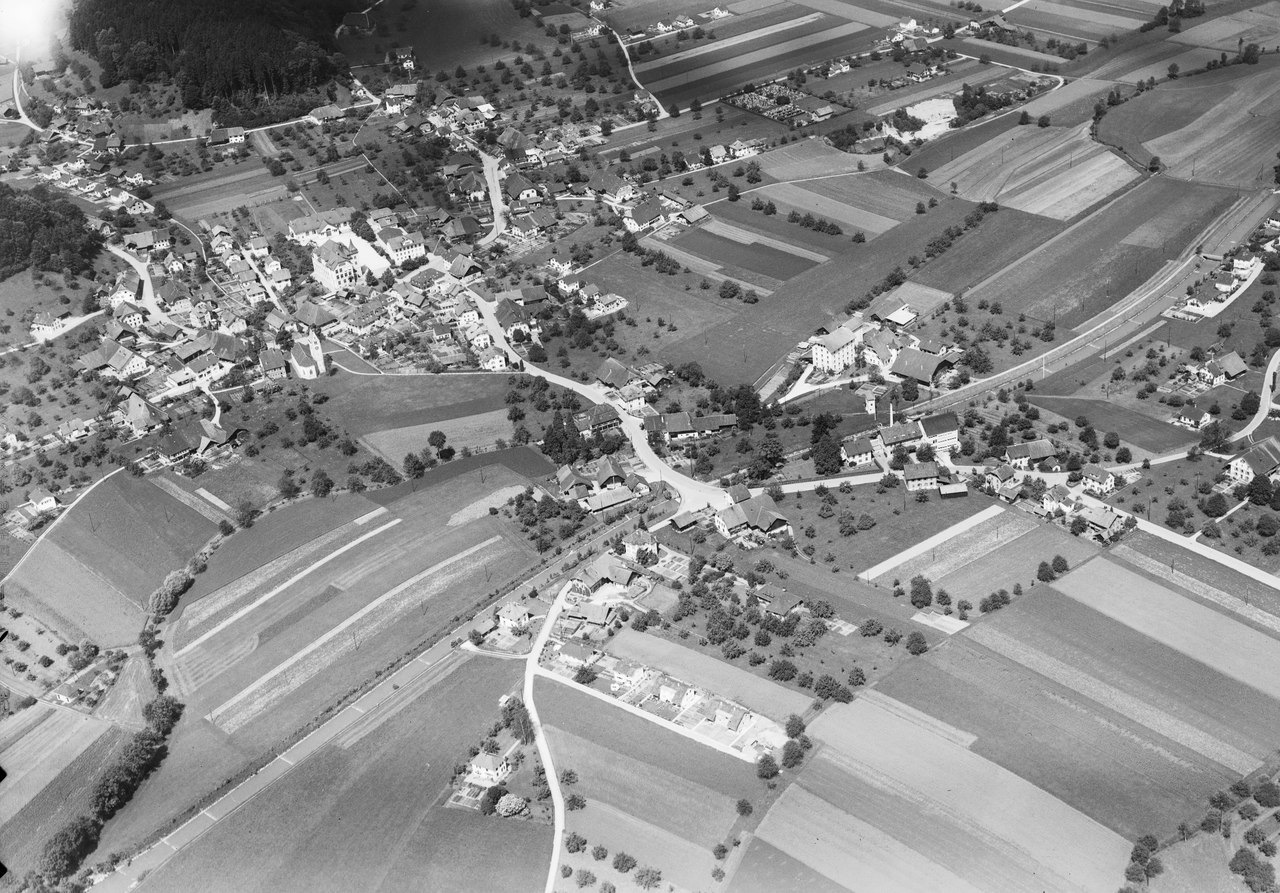
The landscape around Brittnau is a mix of cultivated fields, pastures and woodland. Terrain is gently rolling rather than alpine, and the area experiences a temperate Central European climate. Small streams and hedgerows shape the local countryside, and protected natural areas and agricultural land play an important role in local planning and recreation.
Administration and community life
Local government is organised along typical Swiss lines with a municipal council responsible for services such as schools, local roads and utilities. Community life centres on clubs, volunteer organisations and seasonal events. Local facilities commonly include primary schools, sports grounds and basic commercial services that serve residents and neighbouring settlements.
History and heritage
Like many places in the region, Brittnau has medieval roots and developed historically as an agricultural settlement. Historic buildings such as old farmhouses and parish churches testify to its long habitation, and the area has absorbed the political and religious changes that shaped Aargau and the wider Swiss plateau over centuries.
Economy and transport
The local economy blends agriculture with small-scale industry, crafts and services. Many residents commute to larger towns for work, supported by regional roads and public transport connections that link Brittnau with nearby centres. Local businesses include family-run trades, shops and agricultural enterprises that contribute to a mixed local economy.
Culture and notable facts
Cultural life is maintained through associations, music and sports clubs, seasonal festivals and communal traditions. The municipality has its own coat of arms and municipal identity, and natural and built heritage features are valued by residents. For administrative details, maps and municipal services consult the official municipal pages or cantonal resources.
Related articles
Author
AlegsaOnline.com Brittnau: Municipality in the Canton of Aargau, Switzerland Leandro Alegsa
URL: https://en.alegsaonline.com/art/14584