
Ryōji Noyori — Japanese chemist and Nobel laureate in asymmetric catalysis
Ryōji Noyori (born 1938) is a Japanese chemist awarded the 2001 Nobel Prize for pioneering work in asymmetric (chiral) catalysis, notably hydrogenation methods that transformed synthesis in pharmaceuticals and fine chemicals.
Overview
Ryōji Noyori is a Japanese chemist born September 3, 1938, celebrated for fundamental advances in asymmetric catalysis. His research established practical methods to produce one mirror-image form of a molecule preferentially, a capability central to modern drug manufacture and selective synthesis.
Image gallery
8 Images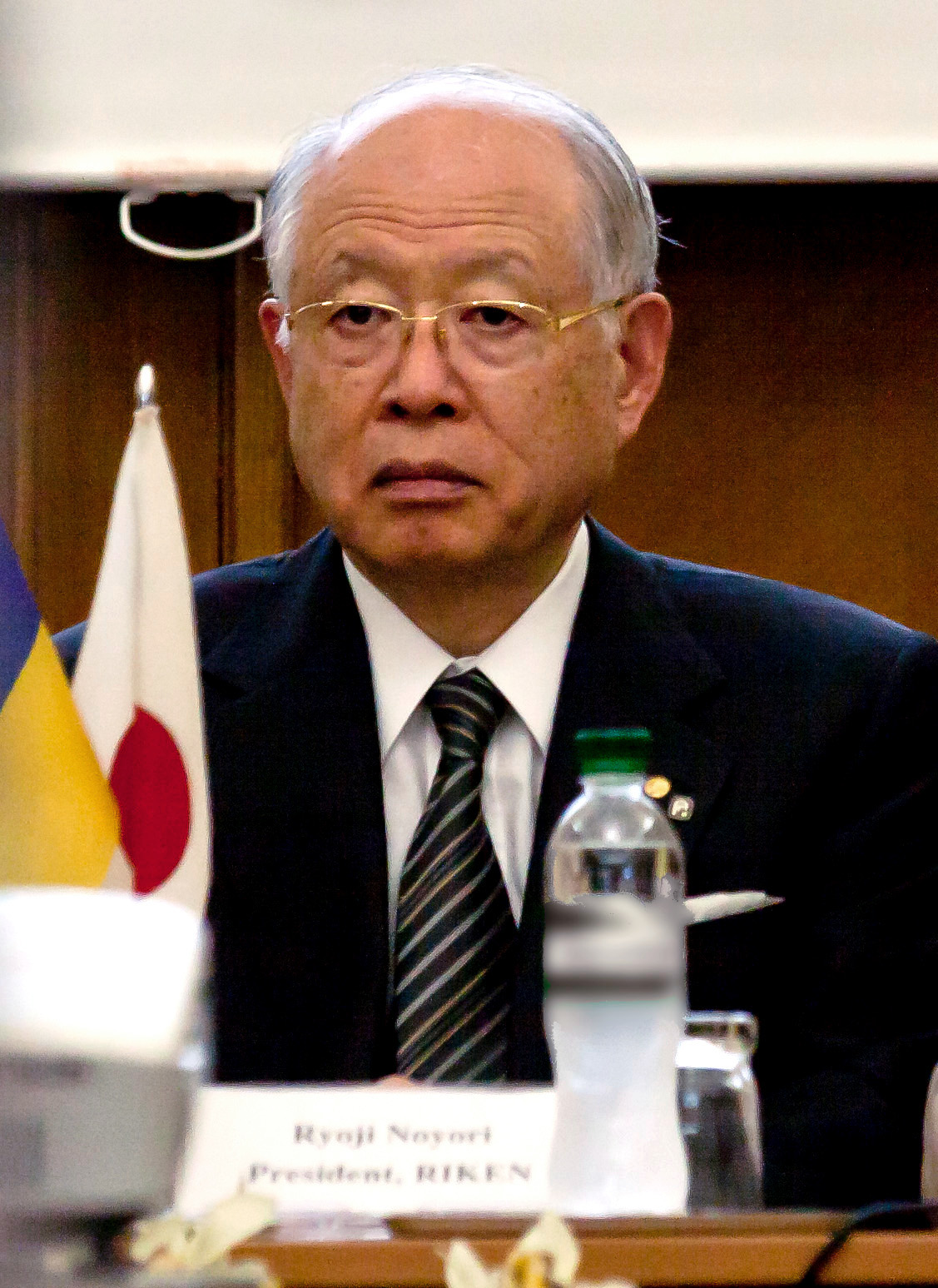


Scientific contributions
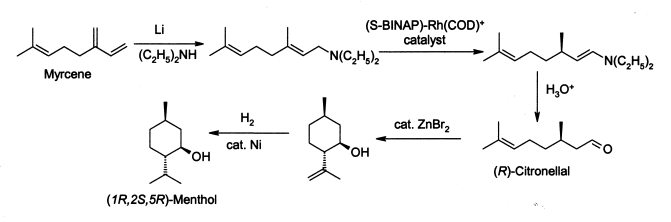
Noyori developed catalytic systems that perform asymmetric hydrogenation with high enantioselectivity. Using chiral ligands coordinated to transition metals, his work showed how to steer addition of hydrogen so that one enantiomer is formed far more than the other. These methods increased efficiency, reduced waste, and enabled access to compounds that were previously difficult to obtain selectively.
Characteristics and examples
Key features of Noyori-style catalysts include:
- Use of well-designed chiral ligands to create an asymmetric environment around a metal center.
- High enantioselectivity suitable for production scale.
- Applicability to a wide range of substrates, including ketones and olefins.
Career and influence
Noyori combined fundamental mechanistic studies with practical catalyst design, bridging academic chemistry and industrial application. His approaches influenced methods for synthesizing active pharmaceutical ingredients and other fine chemicals, where controlling molecular handedness (chirality) is essential for safety and efficacy.
Awards and notable facts
In 2001 he received the Nobel Prize in Chemistry in recognition of his work on chirally catalyzed hydrogenations; the award highlighted the practical and conceptual breakthroughs his research provided. For more on his life and publications see a short biography and related resources at his laboratory page.
Author
AlegsaOnline.com Ryōji Noyori — Japanese chemist and Nobel laureate in asymmetric catalysis Leandro Alegsa
URL: https://en.alegsaonline.com/art/145187