
Run-DMC: Pioneering Hip Hop Group from Queens, New York
Run-DMC, formed in 1983 by Joseph Simmons, Darryl McDaniels and Jason Mizell, helped bring hip hop into the mainstream with hard-edged beats, rock crossover hits and a lasting cultural influence.
Overview
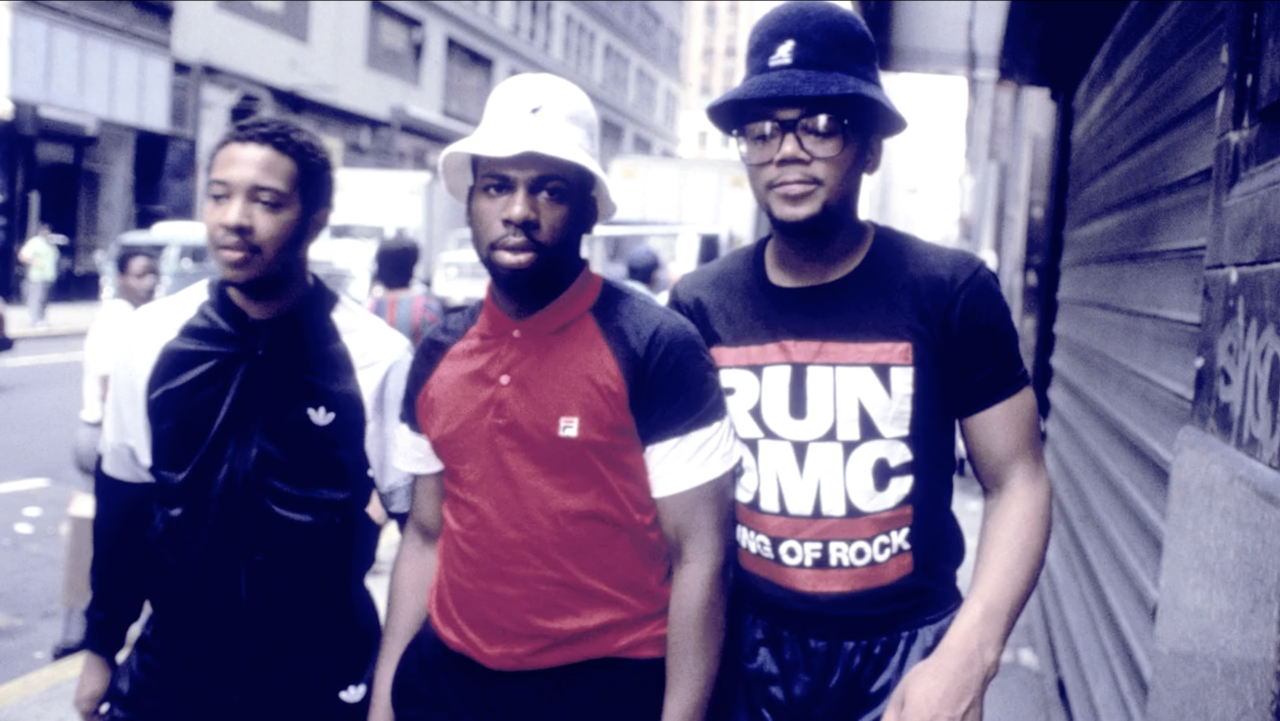
Run-DMC (also styled Run-D.M.C.) was an American hip hop trio formed in 1983 in Queens, New York. The members — Joseph "Rev. Run" Simmons, Darryl "DMC" McDaniels and Jason "Jam Master Jay" Mizell — became one of the defining acts of 1980s hip hop. Their stripped-down production, emphatic delivery and street fashion helped move the genre from clubs into broad radio and television exposure.
Image gallery
10 Images





Members and musical approach
The group combined two vocal MCs and a DJ: Simmons and McDaniels provided call-and-response verses while Mizell supplied turntable work and samples. Their sound emphasized heavy drum-machine beats, sparse sampling and shouted hooks. Run-DMC also fused rock elements into rap, notably bringing distorted electric guitar textures into several tracks and live performances.
History and notable achievements
After their formation in the early 1980s, Run-DMC released a string of influential records and became widely known in the mid-1980s. Their collaboration with a major rock band produced a high-profile crossover single that broadened hip hop's audience and received heavy airplay. The group were among the first hip hop artists to appear in mainstream music media and helped normalize rap on MTV and major radio outlets. Their career continued through the 1980s and 1990s; the group effectively ended after the murder of Jam Master Jay in 2002. Run-DMC's contributions have been recognized by music institutions and many historians of popular music.
Legacy and cultural impact
Run-DMC played a central role in shaping modern hip hop culture: they popularized a stripped-down, streetwise aesthetic, brought attention to the MC-and-DJ relationship, and helped establish rap as a commercially viable, mainstream art form. Their fashion — Adidas sneakers, leather jackets and fedoras — became iconic and widely imitated. They are frequently mentioned alongside contemporaries such as LL Cool J and Public Enemy as pioneers of the "new school" hip hop movement that followed the genre's early era.
Selected records and influence
- Early albums and singles that brought attention to hip hop's rhythmic potential and street narratives.
- A landmark rock-rap collaboration that demonstrated hip hop's ability to cross genre boundaries and reach new audiences.
- Enduring influence on production styles, concert presentation and the commercialization of rap music.
Notable facts and distinctions
Critics and historians credit Run-DMC with helping to shift hip hop from an underground subculture to a major presence in popular music and media. They are often cited in discussions of the broader hip hop and hip hop culture narrative for their role in the genre's 1980s expansion and mainstream acceptance. The group's members pursued individual paths after their peak years, and their work continues to be studied and celebrated for its directness, energy and cross-cultural reach.
For further reading on the scene and peers of Run-DMC, see materials on early hip hop in Queens and profiles of the era's leading acts.
Author
AlegsaOnline.com Run-DMC: Pioneering Hip Hop Group from Queens, New York Leandro Alegsa
URL: https://en.alegsaonline.com/art/145148