
Rumelange, Luxembourg
Rumelange is a commune and town in southwestern Luxembourg on the French border. Part of the Esch-sur-Alzette canton, it has industrial heritage from the region's iron‑ore mining and a population of about 5,608 (2019).
Overview
Rumelange (Luxembourgish: Rëmeleng; German: Rümelingen) is a commune with town status in southern Luxembourg. The settlement lies at the edge of the country's industrial south and forms part of the canton of Esch-sur-Alzette. It is situated on the national frontier with France, which has shaped local commerce, commuting and cultural exchange.
Image gallery
3 Images

Location and administration
The commune occupies a position within Luxembourg's traditional "Red Lands" (Terres Rouges), an area known for iron‑bearing soils. Administratively it is one of the communes of Luxembourg and is governed by a mayor and communal council, like other municipalities in the Grand Duchy. The town center and surrounding residential neighborhoods provide municipal services for inhabitants and nearby rural areas.
As of 2019 the commune recorded a population of about 5,608 residents. The community reflects Luxembourg's multilingual character: Luxembourgish, French and German are commonly spoken, and cross‑border migration and daily commuting are part of local life. Demographic trends have been influenced by industrial employment patterns and more recent service‑sector jobs in the region.
History and economic development
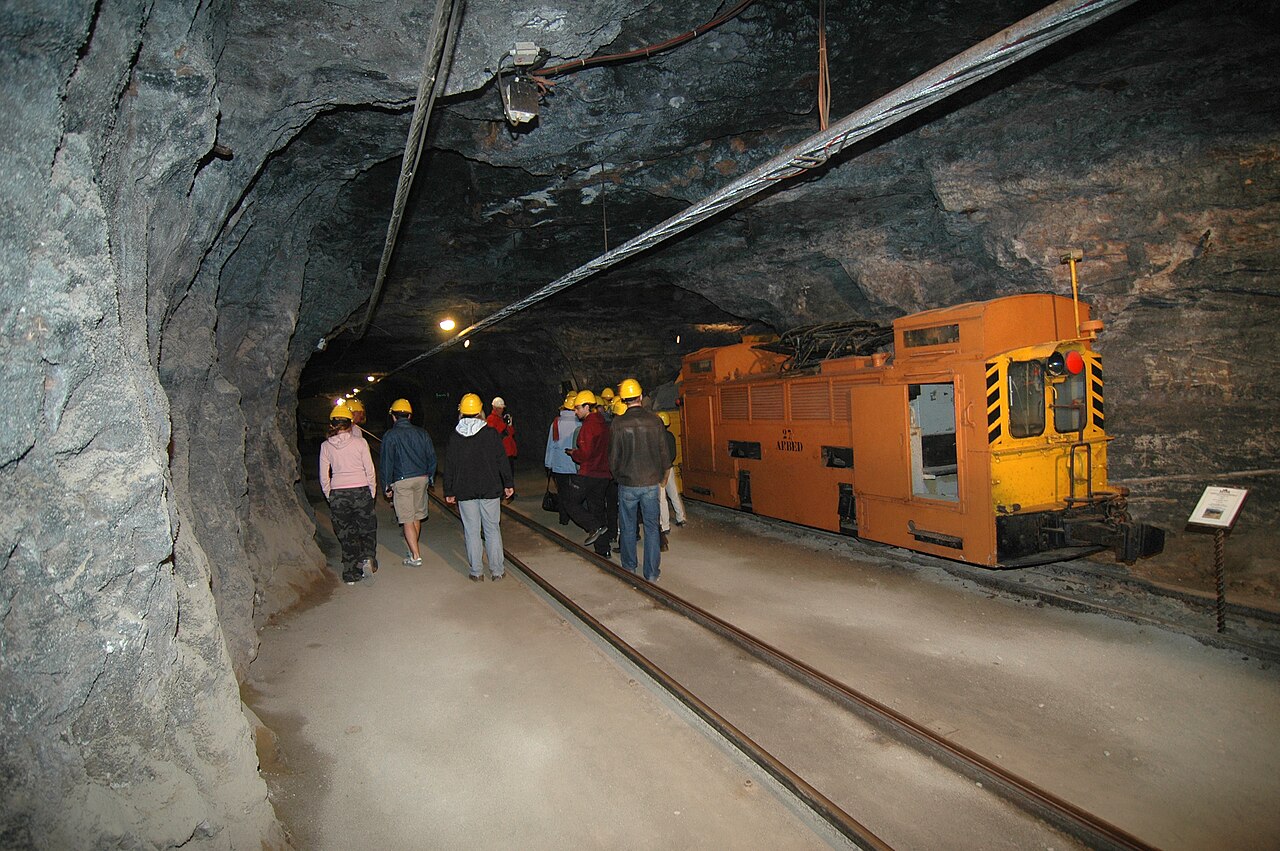
Rumelange developed from a small rural settlement into an industrial town during the 19th and early 20th centuries, owing to the exploitation of iron ore in the surrounding Red Lands. Mining and related metallurgy shaped the town's growth, housing, and infrastructure. While heavy industry has declined since the mid‑20th century, its legacy is visible in former mine sites, workers' housing and local museums that interpret that history.
Culture, heritage and points of interest
The town maintains cultural ties to both Luxembourgish and French traditions and hosts community events, local clubs and heritage activities. Visitors and residents can explore industrial heritage trails, memorials and converted sites that document the mining era. Outdoor recreation and green corridors also link Rumelange with neighboring communes and cross‑border destinations.
- Administrative canton: Esch‑sur‑Alzette.
- Languages commonly used: Luxembourgish, French, German.
- Historic economy: iron‑ore mining and industry.
Today Rumelange combines its historical identity with modern residential life, regional transport connections and economic ties to nearby towns. For basic civic information, local events and visitor guidance consult official commune sources and regional tourism pages. Additional contextual information about place names and language appears in local records and linguistic references (commune status).
Author
AlegsaOnline.com Rumelange, Luxembourg Leandro Alegsa
URL: https://en.alegsaonline.com/art/145144