
Robert J. Shiller — economist, Nobel laureate, and author
Robert J. Shiller is an American economist and Sterling Professor at Yale known for behavioral finance, the Case–Shiller home price index, the cyclically adjusted PE ratio (CAPE), and the book Irrational Exuberance.
Overview
Robert J. Shiller (born March 29, 1946) is an American economist, academic and bestselling author. He is a Sterling Professor of Economics at Yale University and a fellow at Yale School of Management's International Center for Finance. Shiller received the Nobel Memorial Prize in Economic Sciences in 2013 for his empirical analysis of asset prices. His work bridges rigorous empirical research and public engagement on financial risk and valuation.
Image gallery
5 Images



Main contributions
Shiller's research brought behavioral ideas into mainstream finance and developed practical measures used by analysts, policymakers and journalists. Among his most widely cited contributions are:
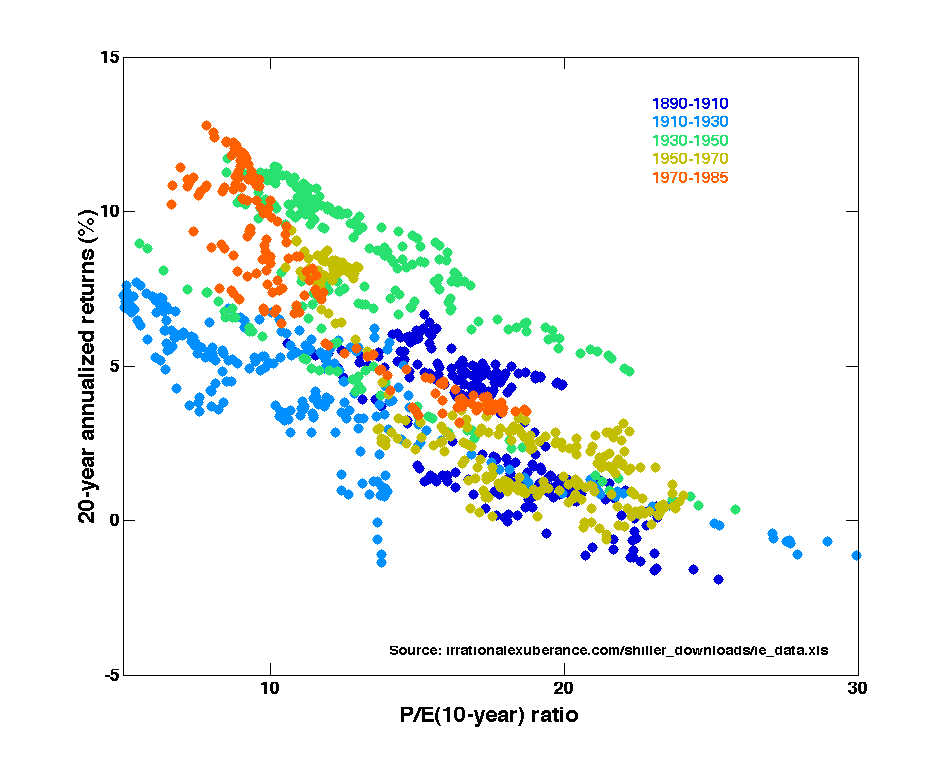
- CAPE (Cyclically Adjusted Price-to-Earnings ratio) — a long-run valuation metric for equity markets that smooths earnings over a business cycle to assess whether stocks are relatively cheap or expensive.
- Case–Shiller home price indices — produced with Karl Case, this set of indices tracks U.S. single-family home prices and is a standard reference for housing market trends.
- Behavioral finance and expectations — empirical studies showing how investor psychology, narratives and surveys of expectations influence asset prices and volatility.
Career and public work
Shiller has combined academic writing with books and public commentary to explain financial phenomena to a broad audience. His book "Irrational Exuberance" warned about unsustainable asset-price rises and reached wide readership during the technology and housing booms. He has also proposed financial innovations — such as macroeconomic risk-sharing instruments — aimed at reducing the social cost of economic shocks.
Impact and reception
Shiller's work reshaped debates about market efficiency by documenting persistent deviations from models that assume fully rational prices. The CAPE ratio and Case–Shiller indices are used by investors, central bankers and journalists to evaluate market conditions. Critics note limitations: valuation metrics can be affected by structural shifts, accounting changes, and low-interest-rate environments, and no single indicator predicts short-term market movements reliably.
Notable publications and further information
Key books and resources include Irrational Exuberance, analyses of housing markets and collections of academic papers. For authoritative profiles and honors see Shiller's Yale affiliation and Nobel information: Yale profile and Nobel citation. His work remains central to discussions about bubbles, valuation, and the role of psychology in economics.
Selected themes
- Behavioral explanations for asset-price anomalies
- Practical indices for tracking market and housing values
- Public communication about financial stability and reforms
Author
AlegsaOnline.com Robert J. Shiller — economist, Nobel laureate, and author Leandro Alegsa
URL: https://en.alegsaonline.com/art/144948