
Rancho Cucamonga, California
Suburban city in San Bernardino County, California, known for its foothill setting, historic vineyards, shopping destinations and mix of residential, commercial and recreational amenities.
Rancho Cucamonga is a suburban city located in San Bernardino County, in southern California. It sits at the transition between inland valleys and the foothills of the San Gabriel Mountains, combining residential neighborhoods, commercial centers and preserved open space. The city is often described as part of the Inland Empire region and serves as a regional hub for shopping, services and light industry.
Image gallery
10 Images




Geography and climate
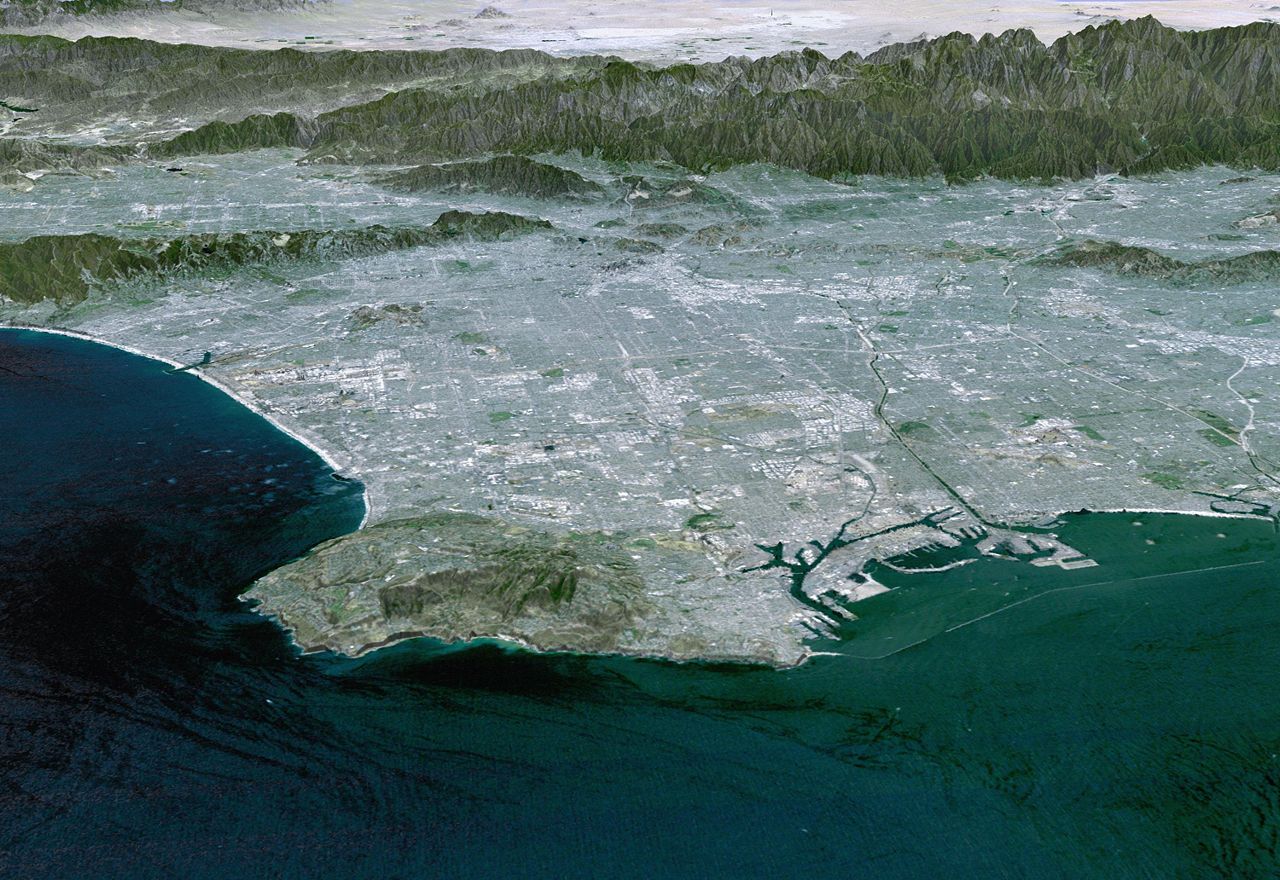
The landscape includes rolling foothills, urbanized valley floor and pockets of preserved natural areas. Summers are warm and dry while winters are mild with occasional cooler spells in the hills. The nearby mountains provide scenic backdrops and recreational opportunities such as hiking and mountain vistas.
History and origins
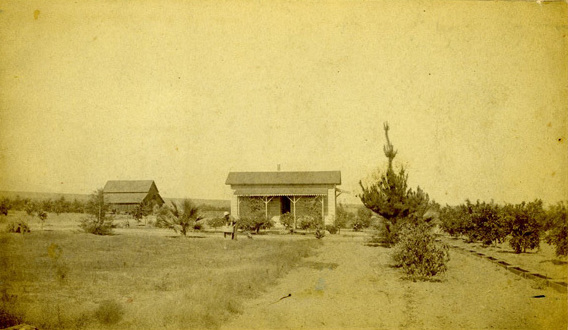
The place name derives from a Native American word and the area’s history includes Spanish and Mexican land-grant ranching followed by agricultural development. In the late 19th and early 20th centuries vineyards, citrus and other crops were prominent. Over the latter half of the 20th century the region suburbanized, and historic agricultural sites gave way to residential and commercial growth while elements of the past have been preserved in local museums and historic districts.
Economy, culture and attractions
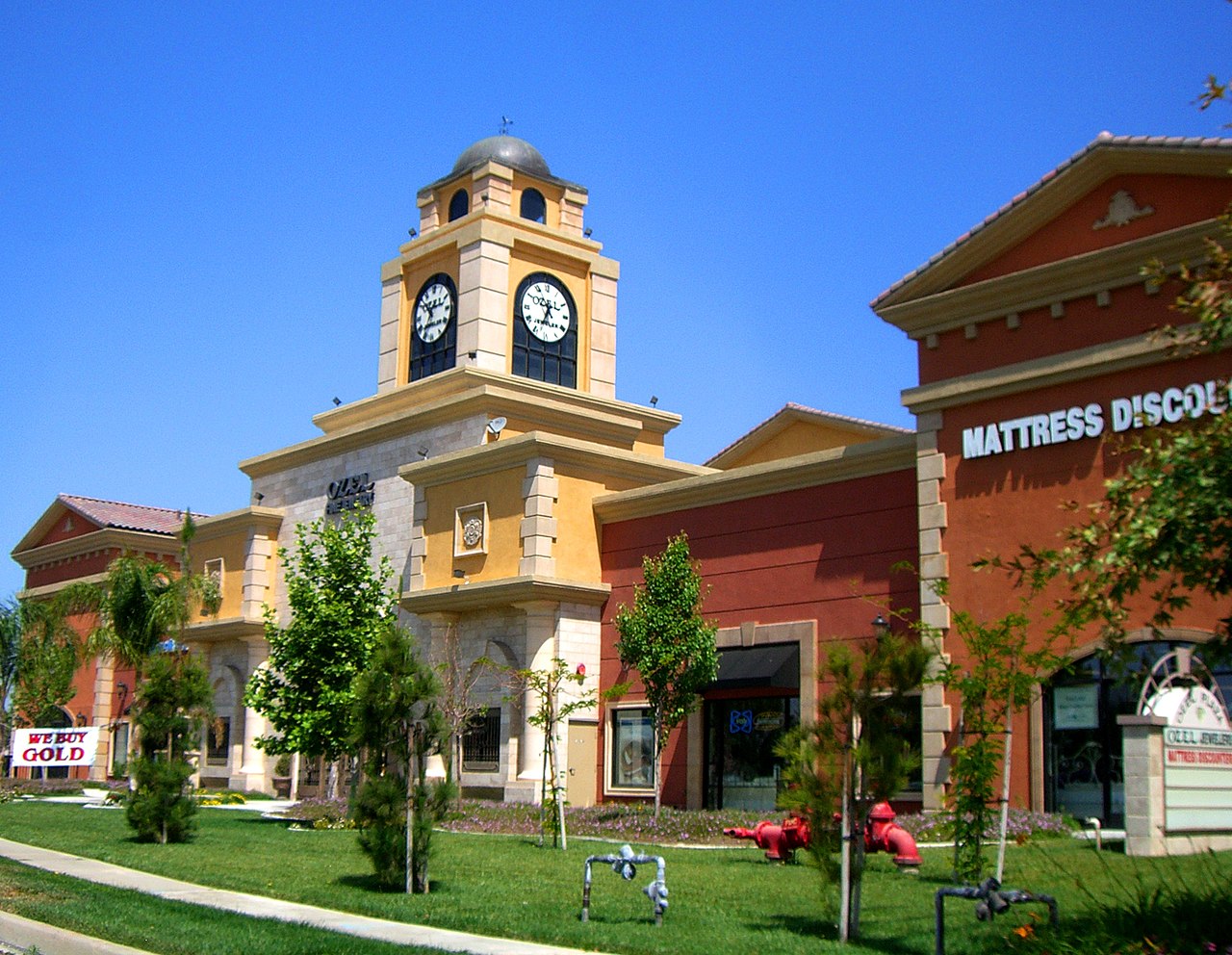
Rancho Cucamonga combines retail, professional services, light manufacturing and logistics. Shopping and entertainment districts draw visitors from across the region. Notable community features include parks, performing arts venues, farmer’s markets and annual festivals that highlight local arts and heritage.
Transportation and recreation
The city is accessible via major regional highways and is near a commercial airport and rail corridors, which support commuting and freight movement. Outdoor recreation focuses on trails, parks and mountain access; residents and visitors use a mix of trail systems, community parks and preserved open spaces for hiking, biking and family activities.
Distinctive notes
- Blends suburban living with nearby mountain recreation.
- Historical roots in vineyards and ranching are reflected in local place names and preserved sites.
- Serves as a retail and cultural center for surrounding communities.
Author
AlegsaOnline.com Rancho Cucamonga, California Leandro Alegsa
URL: https://en.alegsaonline.com/art/144644