
Raffaele La Capria: Italian novelist and screenwriter
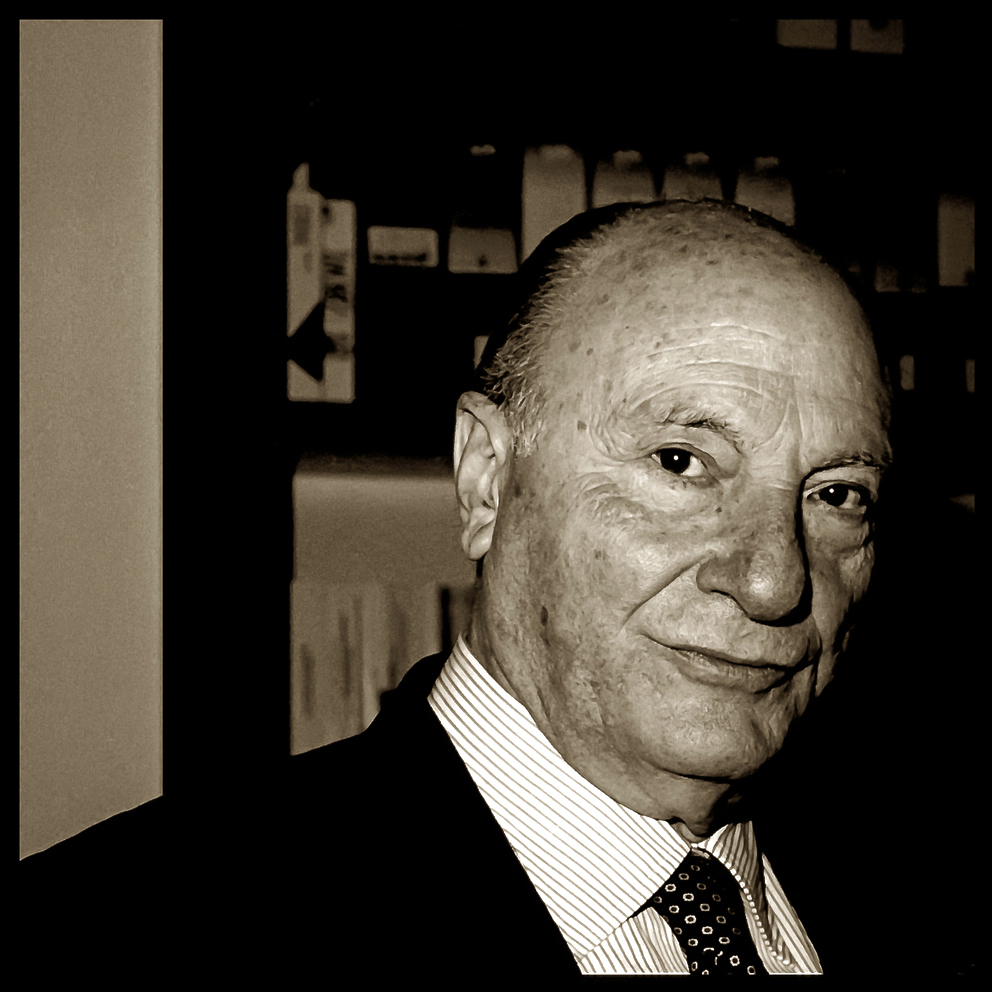
Raffaele La Capria (1922–2022), author of the celebrated novel Ferito a morte and the 'Tre romanzi di una giornata' cycle; long‑time collaborator with filmmaker Francesco Rosi and recipient of major Italian literary prizes.
Raffaele La Capria (3 October 1922 – 26 June 2022) was an Italian novelist and screenwriter whose work has been closely associated with the city of Naples and with post‑war Italian culture. Born in Naples, he became widely known for a set of three interrelated novels often grouped under the heading Tre romanzi di una giornata, and for a single novel—commonly regarded as his most celebrated—titled Ferito a morte. La Capria combined keen social observation with a refined literary sensibility, and he remained active in literary and cinematic circles for much of his long life.
Image gallery
2 Images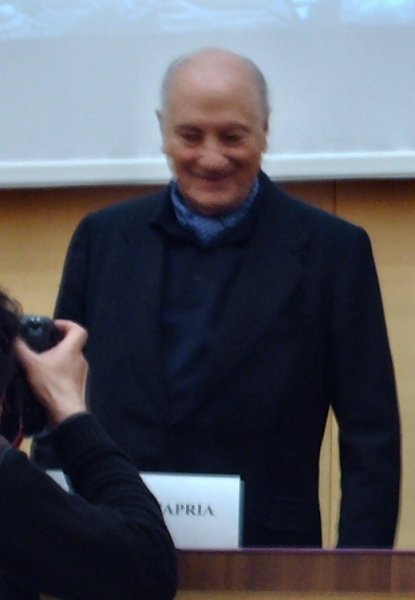
Major works and literary style
La Capria’s fiction is notable for its attention to everyday experience, urban memory, and the subtle moral ambiguities of modern life. The three novels often described as Tre romanzi di una giornata present condensed, day‑long portraits of characters and situations, privileging interior perception and the flow of consciousness over conventional plot mechanics. Ferito a morte is frequently singled out for its evocative depiction of Naples and for a tone that blends irony, melancholy and lyrical exactitude. Later prose, including the collection L'estro quotidiano, continued to attract critical attention and was recognized with literary prizes.
Film collaborations
Alongside his work as a novelist, La Capria made substantial contributions to Italian cinema as a screenwriter. He collaborated repeatedly with director Francesco Rosi on films that ranged from political dramas to literary adaptations. Notable among these collaborations are the scripts for Le mani sulla città, Uomini contro and an adaptation of Carlo Levi’s memoir, Cristo si è fermato a Eboli. These film projects reflect a shared interest in social realities and historical consciousness and demonstrate how La Capria’s literary sensibility could be translated into cinematic form.
Awards, recognition and public life
La Capria’s career received formal recognition from several major Italian cultural institutions. In September 2001 he was honored with a Premio Campiello lifetime achievement award, and in 2005 his work L'estro quotidiano was awarded the Viareggio Prize for fiction. Critics and readers have praised his prose for its clarity, refinement and capacity to register the small moral and emotional shifts that shape modern experience. He engaged in journalism and occasional critical writing, contributing to the broader conversation about literature and culture in Italy.
Personal life and later years
La Capria was married to the actress Ilaria Occhini until her death in July 2019; their partnership linked two figures prominent in Italian letters and the performing arts. Raffaele La Capria died in Rome on 26 June 2022 at the age of 99. Over decades he maintained a presence in Italian cultural life, balancing fiction and film work while remaining a reference point for writers and scholars interested in Naples and in twentieth‑century Italian narrative.
Legacy and distinctions
La Capria is remembered as a writer who captured the subtleties of place and personality without resorting to easy generalizations. His prose often foregrounded the subjective experience of city life and memory, and his novels are studied for their formal economy and tonal precision. While his name is particularly associated with Naples, his collaborations in cinema and his awards helped secure a wider appreciation across Italy and beyond. Contemporary readers and scholars continue to discuss his influence on both literature and screenwriting, and his works remain part of curricula and critical surveys of post‑war Italian culture.
- Representative novel: Ferito a morte (often regarded as his best‑known work)
- Notable film collaborations: Le mani sulla città; Uomini contro; Cristo si è fermato a Eboli
- Major prizes: Premio Campiello (lifetime achievement, 2001); Viareggio Prize (L'estro quotidiano, 2005)
Author
AlegsaOnline.com Raffaele La Capria: Italian novelist and screenwriter Leandro Alegsa
URL: https://en.alegsaonline.com/art/144613