
Prime Minister of Iceland
Head of government of Iceland, appointed by the president and responsible for directing the cabinet, proposing policy and maintaining parliamentary support in a multi‑party system.
Overview
The prime minister of Iceland is the head of government who leads the executive branch and chairs the cabinet. In Icelandic the office is commonly referred to as the Forsætisráðherra. The position is central to day‑to‑day governance in Iceland, coordinating ministries, setting policy priorities and representing the government both domestically and abroad.
Image gallery
10 Images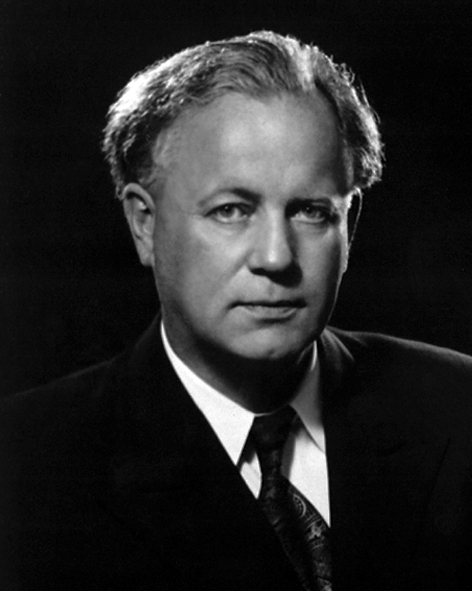


Powers and responsibilities
The prime minister directs the work of ministers and serves as the principal political leader within the cabinet. Key duties include:
- Forming and leading the government and its agenda.
- Presenting budgets and legislative proposals to parliament.
- Allocating ministerial portfolios and convening cabinet meetings.
- Coordinating policy across ministries and responding to crises.
- Acting as the principal representative of the government in international affairs.
Appointment and parliamentary context
Formally the prime minister is appointed by the president, but in practice the choice reflects the composition and alliances of the national parliament, the Althing. The office depends on maintaining the confidence of parliament: coalition agreements and negotiations among parties commonly determine who will serve. The role is typical of a parliamentary system: authority rests on parliamentary support rather than a fixed popular mandate.
History and development
The office evolved in the early 20th century as Iceland moved from administrative rule under Denmark toward full sovereignty. Over decades the position expanded from a ministerial role within a broader constitutional arrangement to the leading office of a sovereign state after independence. Its powers and conventions have been shaped by Iceland's constitution, political culture and the practical needs of governing a small, open country.
Political significance and distinctive features
Iceland's multi‑party landscape makes coalition government the norm, so compromise, negotiation and consensus building are central to the prime minister's work. While the president performs the formal appointment, the prime minister is the government’s chief decision‑maker and public face. The office carries no formal term limits, and changes of leadership often reflect parliamentary realignments or post‑election bargaining rather than direct executive dismissal.
For further institutional detail and current practice see sources on the office and constitutional framework, including descriptions of the head of government role and the interaction with the president and parliament.
Author
AlegsaOnline.com Prime Minister of Iceland Leandro Alegsa
URL: https://en.alegsaonline.com/art/144455